
















- Home
- Blogs
- What Are Multi Core Flexible Cables and Why Are They Essential in Modern Electrical Installations?
What are Multi Core Flexible Cables and Why are They Essential in Modern Electrical Installations?
In today’s world of fast paced electrical innovation and space saving installations, wiring systems must be both reliable and adaptable. One cable type that meets these growing demands across residential, commercial, and industrial projects is the Multi Core Flexible Cable. Known for its versatile construction and ease of use, this cable has become a preferred choice for electricians, engineers, and system designers alike.
Whether you're managing control panels, automating machinery, or simply looking for a clutter free wiring solution, understanding how Multi Core Flexible Cables work and how they compare to other types can help you make the right choice.
What is a Multi Core Flexible Cable?
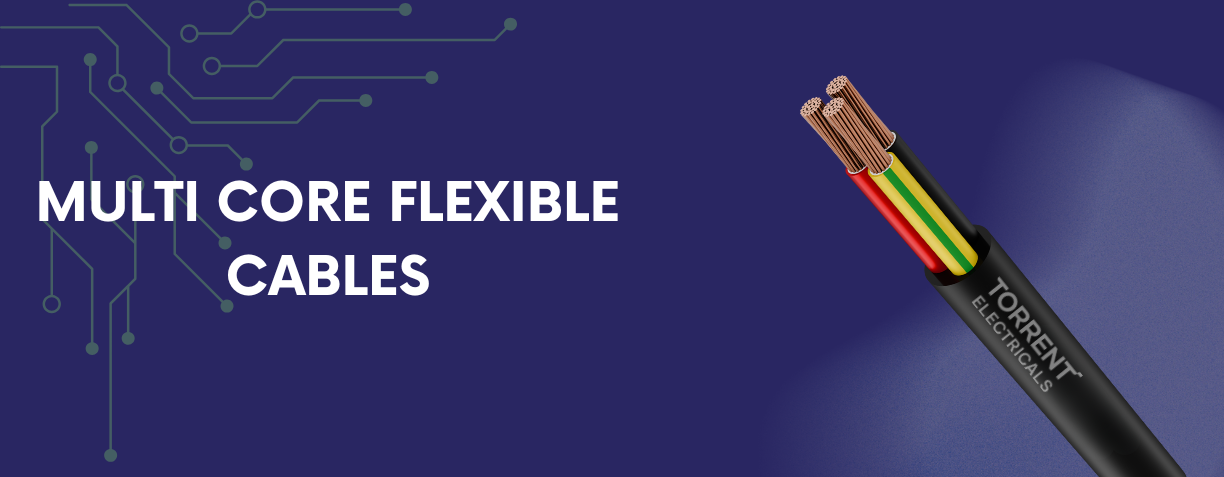
A Multi Core Flexible Cable is a type of electrical cable that contains two or more individually insulated conductors (cores) enclosed within a single outer sheath. These conductors are flexible, allowing the cable to bend and adapt to various layouts without damage.
Each core can carry power, signals, or control inputs, making the cable suitable for a wide range of electrical systems. The term "flexible" specifically refers to the cable's physical ability to withstand frequent movement, bending, or vibration, ideal for both fixed and mobile applications.
The flexibility and multiple core structure make these cables a go to choice for installations where space is limited, frequent movement occurs, or several electrical functions need to be bundled efficiently.
Why Multi Core Cables Are Gaining Popularity
The demand for Multi Core cables has grown across sectors because they simplify wiring systems without compromising functionality. Here’s why they’re widely preferred:
- Simplifies complex wiring by combining multiple conductors in a single sheath
- Reduces installation time with fewer individual cables to handle
- Improves cable management in control panels and equipment
- Offers mechanical durability, protecting the internal cores against external damage
- Minimizes clutter, improving both system aesthetics and accessibility
These benefits are especially valuable in environments where wiring space is restricted, or in applications where safety and efficiency are paramount.
Where Multi Core Flexible Cables Are Used
Multi core flexible cables are widely used in industries and applications where space-saving, flexibility, and multi-functionality are essential. Here are the most common areas:
- Industrial Automation - Robotics, machines, automation systems
- Building and Electrical appliances - Lighting, AC, Refrigerator, geyser etc
- Automotive and Transportation - Wiring for dashboards, infotainment, and control systems
- Control Panels and Switchboards - for power distribution, PLCs, and circuit breakers
- Renewable Energy Systems - Solar, wind, and battery systems
- Audio - Visual and Communication Systems- Audio, video, and data systems
- Aerospace and Marine - Lightweight and flexible wiring in aircraft and ships
- Medical Equipment - Hospital and diagnostic equipment
Multi Core vs. Single Core Flexible Cables
One of the most frequent questions when choosing a cable is: What’s the difference between Multi Core and Single Core Flexible Cables?
A Single Core Flexible Cable contains just one insulated conductor. It is often used for simpler electrical connections, such as in power distribution or earthing systems.
A Multi Core cable, on the other hand, includes multiple conductors, each with its own insulation, all wrapped within one sheath.
The Multi Core format offers the convenience of handling several electrical paths within a single cable, making it especially suitable for control systems, audio visual devices, and automation.
If multiple Single Core cables are used for similar functions, they take up more space and require more management. Multi Core Cables eliminate this clutter, resulting in faster installations and easier troubleshooting.
Construction and Material Features
The construction of Multi Core Flexible Cables plays a crucial role in their performance:
- Conductors: Typically made of high conductivity copper for superior flexibility and conductivity
- Insulation: Usually PVC, though rubber and other thermoplastics may be used for added heat and chemical resistance
- Sheath: An outer jacket that offers mechanical strength, moisture resistance, and protection against abrasion or oil
High-quality Multi Core cables are manufactured to meet specific electrical standards, ensuring safety and durability in demanding environments. Their design allows them to withstand mechanical stress, frequent bending, and challenging ambient conditions without performance loss.
Benefits of Using Multi Core Flexible Cables
Here’s why these cables are becoming essential in modern electrical setups:
- Space saving Design: Perfect for compact installations like control panels and electrical cabinets
- Improved Flexibility: Reduces strain on connections, especially in movable equipment
- Efficient Load Distribution: Multiple cores help in separating functions like power and control within one cable
- Reduced Maintenance: Fewer individual wires mean fewer potential failure points
- Safe and Neat Wiring: The bundled design enhances safety and organization
Overall, Multi Core cables provide a smarter, cleaner, and safer wiring solution for today’s complex systems.
How to Choose the Right Multi Core Flexible Cable
Selecting the appropriate Multi Core Flexible Cable depends on several factors:
- Number of cores required based on the application
- Current carrying capacity and voltage rating of the system
- Operating environment exposure to heat, chemicals, oil, or moisture
- Type of insulation and sheath material required for mechanical strength or temperature resistance
- Compliance with safety standards, including IS or IEC codes
Always choose cables that are tested and certified according to electrical safety regulations. This ensures long-term durability and minimizes electrical hazards in both residential and industrial applications.
Conclusion
In a fast-evolving electrical landscape, choosing the right type of cable is more than a technical detail—it’s a key decision that affects the efficiency, safety, and longevity of any system. Multi Core Flexible Cables offer a smart, adaptable, and space-saving solution for modern installations across homes, industries, and commercial spaces.
Their unique ability to combine multiple conductors within a flexible sheath makes them indispensable in today’s compact and high-performance electrical systems. Whether you're planning an automation setup, a control panel, or a dynamic electrical network, Multi Core cables bring structure, safety, and simplicity to your design.