















How to Choose the Right Copper Cables for Residential, Commercial, and Industrial Needs
In today’s interconnected world, where everything from a single home appliance to complex industrial machinery depends on reliable power, choosing the right copper cables isn’t just a technical decision — it’s a foundation for safety, performance, and longevity.
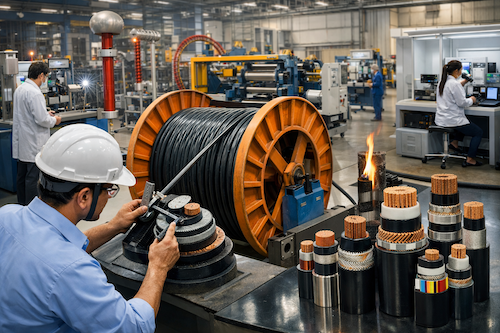
Whether you’re planning a residential building, a commercial complex, or an industrial plant, the electrical infrastructure must be robust and tailored to the demands of the environment. One of the most critical components of that infrastructure is your cabling system, especially LV power cables, control cables, and flexible copper cables.
In this comprehensive guide, we’ll help you understand the types of electrical cables available, their applications, and how to choose the right one for your specific needs — be it home lighting or powering up a high-voltage motor in a factory.
Why Copper Cables Are the Preferred Choice
Copper has long been the preferred conductor in the electrical industry due to its superior conductivity, ductility, and corrosion resistance. When used in cables, copper offers:
- Low electrical resistance
- High thermal performance
- Longer cable life
- Better performance under load
- Higher tensile strength and flexibility
Types of Copper Cables Based on Application
Let’s explore the most commonly used copper cables across various sectors.
1. Power Cables for Energy Distribution
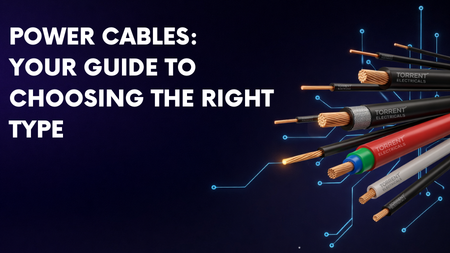
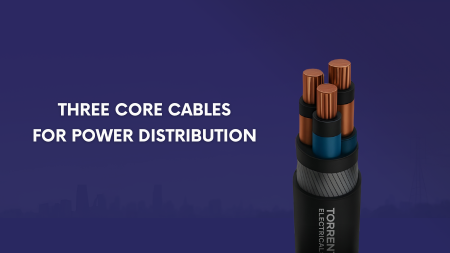
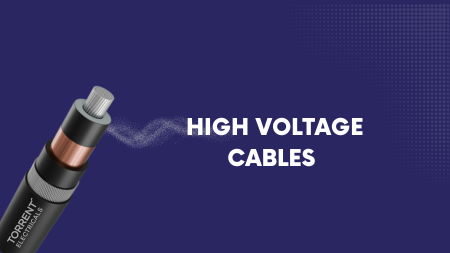
Power Cables are used for transmitting electricity from one point to another, typically at high voltage levels. These are used to distribute power from distribution boards to machines, substations, or electrical equipment.
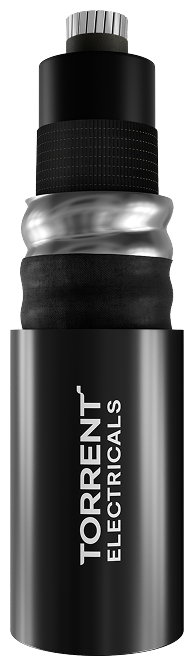
Power cables can be insulated using PVC, XLPE, or other advanced materials. XLPE (Cross linked Polyethylene) insulation is highly preferred in modern installations because of its superior heat resistance, chemical stability, and long life.
Ideal For:
- Industrial machinery
- Large commercial units
- Transformer connections
- High-voltage systems
2. Electrical Cables for General Wiring
Electrical cables refer to a broader category that includes wires and conductors used in homes, offices, and retail spaces. They are generally insulated with PVC and designed to carry current in lower load environments.
Ideal For:
- Residential lighting
- Fans, switches, appliances
- Internal office wiring
- Retail stores and showrooms
3. XLPE Cables for Heat Resistant and High Load Use
XLPE Cables are built with insulation that can withstand higher temperatures and stress, making them suitable for challenging environments.
They are flame retardant, moisture resistant, and highly durable, which makes them a smart choice for industrial environments where load and safety requirements are high.
Ideal For:
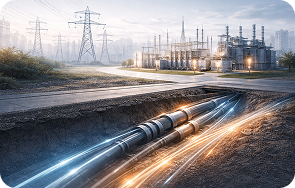
- Underground cabling
- Power plants and substations
- Heavy industrial machinery
- Renewable energy systems (solar, wind)
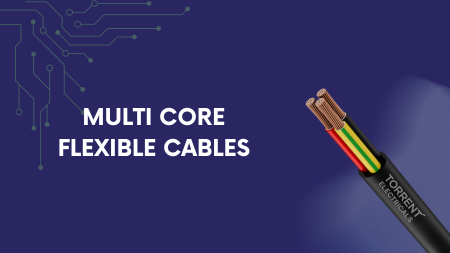
4. Flexible Cables for Dynamic Installations
When installations involve movement or vibration, Flexible Cables made of fine stranded copper and soft PVC or rubber insulation are preferred. These cables can bend without cracking, making them ideal for portable equipment or automation setups.
Ideal For:
- Lifts and elevators
- Robotics and conveyor belts
- Extension cords
- Control panels with frequent operation
5. Submersible Cables for Wet and Underwater Conditions
For any application involving water, like borewells or water pumps, Submersible Cables are designed to perform efficiently without degradation. These cables have high moisture resistance and are robust enough to withstand underwater pressure and mechanical stress.
Ideal For:
- Borewell motors
- Irrigation pumps
- Sewage treatment facilities
- Marine and dockyard applications
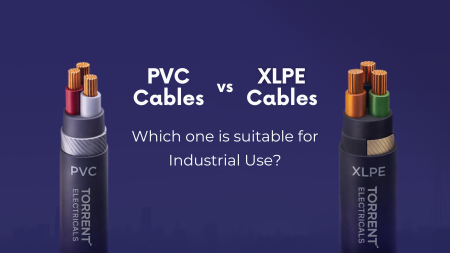
6. PVC Cables for Cost Effective Insulation
PVC Cables are widely used due to their affordability, fire resistance, and flexibility. While not suited for extremely high temperatures, they are perfect for general purpose installations where moderate heat, load, and flexibility are sufficient.
Ideal For:
- Home wiring
- Electrical appliances
- Surface wiring in commercial spaces
- Temporary or budget friendly projects
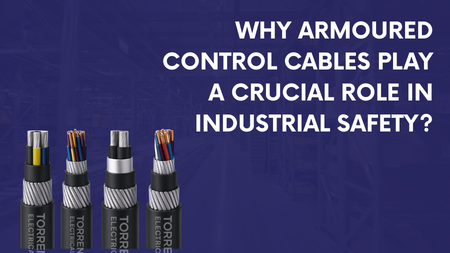
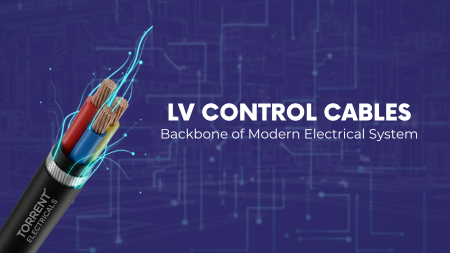
7. Control Cables for Signal and Power Control
In industrial systems, signal and power lines often need to be routed together. Control Cables, particularly Control Flexible Cables, are designed for this purpose. They allow precise operation of control circuits without interference.
These cables are well suited for dynamic environments that require excellent signal integrity and mechanical strength.
Ideal For:
- Industrial control panels
- Automation and PLC systems
- HVAC control systems
- Renewable energy management
How to Choose the Right Copper Cable: Factors to Consider
With so many cable types available, how do you make the right choice for your project? Here are the most important factors to evaluate:
1. Voltage and Load Requirements
Determine how much voltage and current your system will handle. For low voltage needs, PVC insulated electrical cables may suffice. For high loads and long distance transmission, go for XLPE power cables.
2. Environmental Conditions
If your cables will be installed outdoors, underground, or in wet environments, choose materials that resist moisture, heat, and UV rays. For example, Submersible Cables and XLPE insulated cables are great for such conditions.
3. Flexibility and Movement
For installations involving frequent movement like automation systems or portable tools use Flexible Cables or Control Flexible Cables that are designed to bend without breaking.
4. Fire and Safety Standards
In residential and commercial buildings, it’s important to use cables that comply with fire safety norms such as flame retardant and low smoke properties. Ensure your cables meet ISI, BIS, or IEC standards.
5. Application Type (Residential vs. Industrial)
For residential projects: PVC insulated electrical cables are cost effective and efficient. For commercial projects: Use a mix of flexible, XLPE, and PVC cables depending on load and environment. For industrial setups: Choose XLPE, control, and submersible cables for performance, durability, and safety.
Why Torrent Electricals Is the Right Choice for Copper Cables
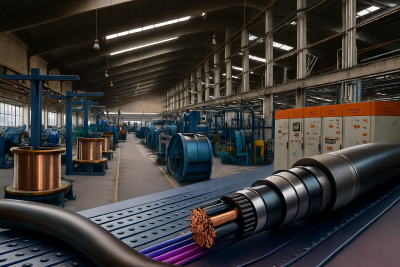
At Torrent Electricals, we understand that quality cabling forms the backbone of any successful electrical system. With decades of experience in the wire and cable industry, we manufacture a wide range of Electrical Cables, Power Cables, Control Cables, and Flexible Copper Cables designed to meet the highest safety and performance standards.
- ISI and ISO certified
- Made with 99.97% pure copper conductors
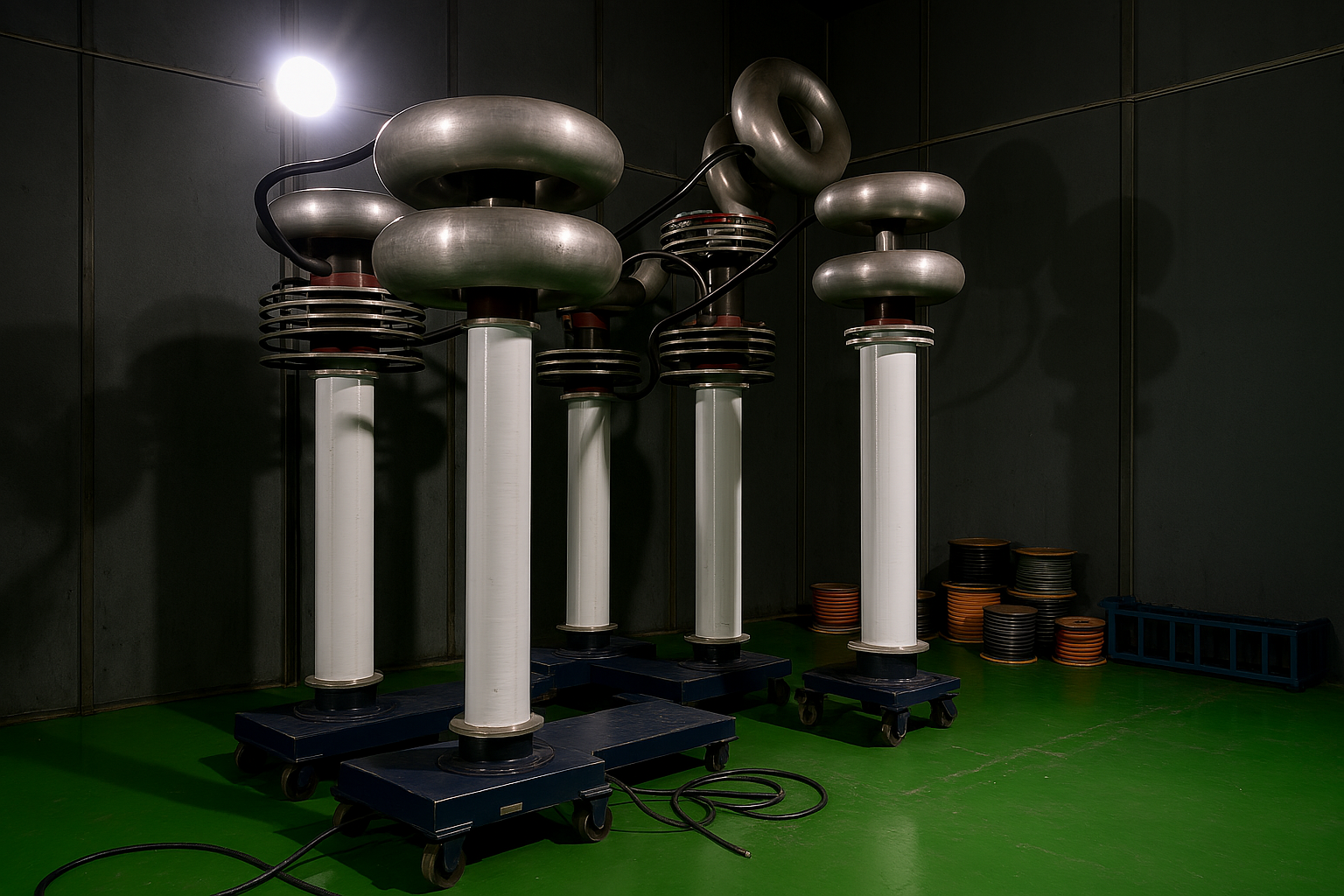
- Backed by strict quality control and testing
- Trusted by residential builders, industrial EPCs, and commercial contractors across India
Conclusion
Choosing the right copper cable isn’t just about meeting today’s needs — it’s about ensuring long term performance, safety, and compliance. From residential wiring to industrial automation, there’s a cable designed specifically for your use case.