















Top 5 Uses of High Voltage Cables in Industrial & Infrastructure Projects
Electricity is the invisible backbone of every modern industry and infrastructure. From powering metros and manufacturing units to transmitting electricity across cities and rural areas, the role of High Voltage Cables is critical. These cables, commonly referred to as HT Cables or High Tension Cables, are designed to handle high levels of voltage that standard cables simply cannot withstand.
With the growth of mega infrastructure projects in India and around the world, the demand for reliable, efficient, and long-lasting high voltage power transmission systems is only increasing. In this blog, we explore what High Voltage Cables are, and more importantly their top 5 essential uses across industries and infrastructure sectors.
What Are High Voltage Cables?
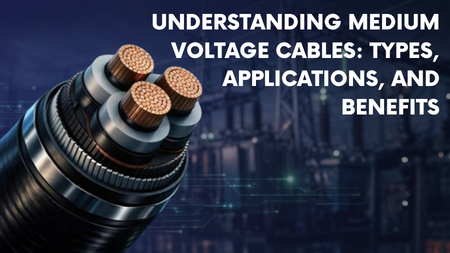
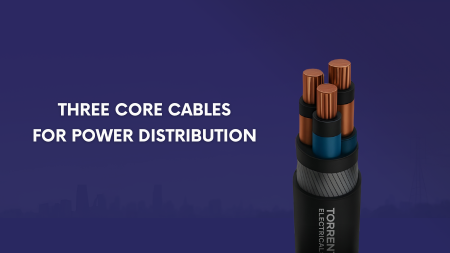
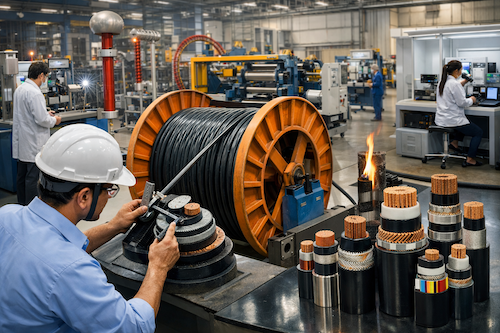
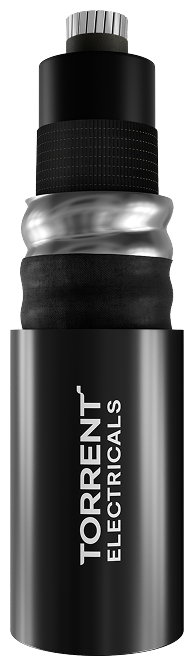
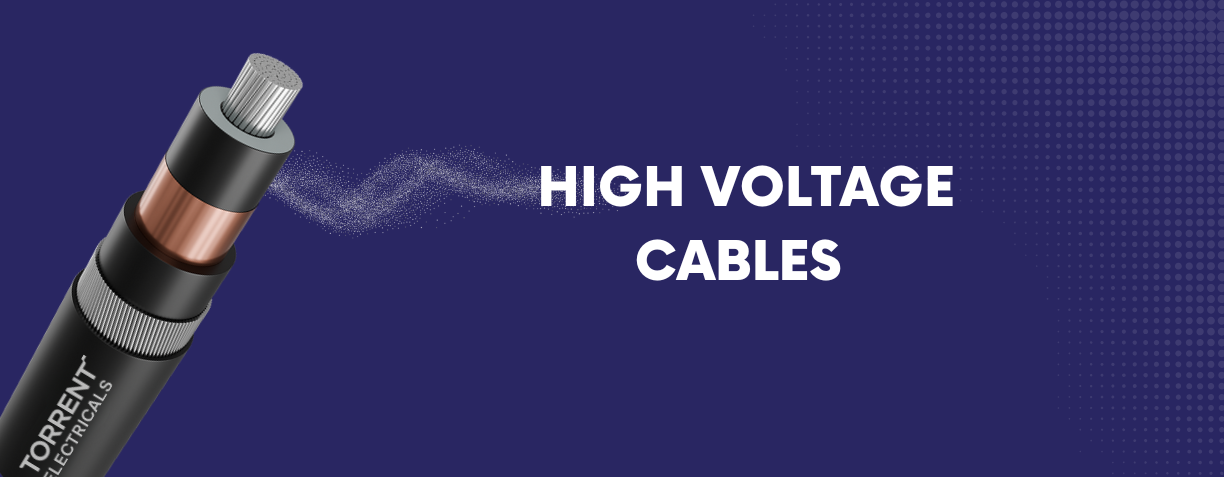
A High Voltage Cable is a specially designed cable used for the transmission of electrical power at high voltage typically above 1 kV. These cables are built with multiple layers of insulation and protective sheathing to prevent current leakage and withstand electrical stress.
These cables are designed to operate safely in demanding environments and over long distances. Whether installed underground, in ducts, or overhead, HT cables ensure minimal transmission loss and maximum safety.
Materials like cross linked polyethylene (XLPE) or ethylene propylene rubber (EPR) are commonly used as insulating materials in high voltage applications, thanks to their excellent thermal and electrical resistance properties.
Why Use High Tension Cables in Projects?
When it comes to large scale projects, the need for stable and long distance electricity transmission becomes critical. This is where High Tension Cables come into play. Unlike low voltage wiring, HT cables are built to handle heavy electrical loads without overheating or breaking down.
- High current capacity
- Long distance power transmission
- Mechanical durability
- Environmental resistance
These advantages make them indispensable for power distribution and infrastructure networks.
Top 5 Uses of High Voltage Cables
Let’s look at the major areas where HT cables play a key role in powering critical systems and ensuring uninterrupted operation.
- Power Transmission Over Long Distances
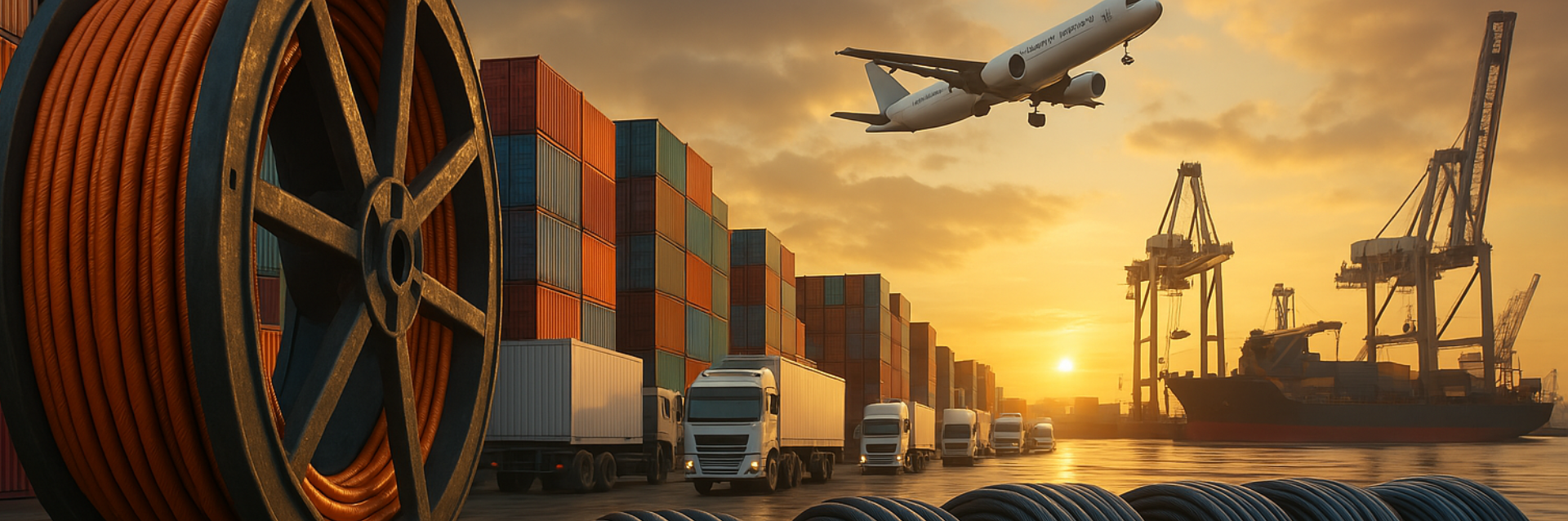
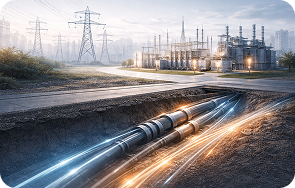
One of the most common and important uses of High Voltage Cables is to carry electricity from generating stations to distribution centres located kilometres away. Overhead or underground HT cables allow efficient and stable transmission of high voltage electricity over long distances with minimal loss.
In countries like India, where power stations may be located far from the cities or industries they serve, this is especially vital. These cables help bridge the gap between generation and consumption efficiently. - Industrial Power Distribution
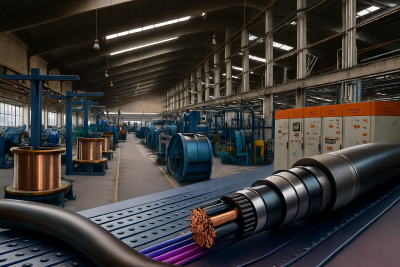
Heavy industries such as cement plants, steel manufacturing, oil refineries, and chemical plants require a huge amount of continuous power. Installing HT cables within these facilities allows internal distribution of high voltage power to different sections of the plant, helping to power large motors, furnaces, and other equipment.
Their ability to withstand mechanical and electrical stress makes HT cables ideal for the harsh environments found in industrial settings. - Infrastructure Projects like Metros and Railways
Urban infrastructure like metro rail networks, suburban trains, and even electrified mainline railways rely heavily on High Voltage Cables for power. These systems demand high capacity and reliable power delivery, often across multiple stations and substations.
HT cables are used extensively in underground tunnel systems, track side power installations, and in control stations for safe and efficient operation.
Globally and within India, railways are one of the largest consumers of HT and High Tension Cables for uninterrupted service. - Power Supply to High Rise Buildings and Commercial Complexes
Modern commercial spaces, office buildings, and high rise residential towers demand more power than ever before. Supplying such buildings with standard voltage wiring is inefficient and unsafe. High Voltage Cables are used to bring electricity from external substations to the building’s main distribution board, ensuring safe handling of large electrical loads.
In commercial complexes with centralized air conditioning, elevators, escalators, and backup generators, HT cables help ensure stable and uninterrupted power flow. - Renewable Energy Installations
With the rise of solar farms and wind power plants, HT cables are becoming critical in transporting the generated electricity from remote renewable energy installations to the main grid or storage systems.
High voltage transmission ensures that power is delivered efficiently, even when the source is located in remote or rural areas. The rugged construction of HT cables also makes them suitable for outdoor and varied environmental conditions typical of renewable energy setups.
Technical Benefits of High Voltage Cables
Apart from their application specific advantages, High Voltage Cables also provide several technical benefits that make them preferable in modern infrastructure and industrial systems:
- Reduced Power Losses: Higher voltage means lower current for the same power, reducing I²R losses.
- Efficient Load Management: Capable of handling large power loads efficiently.
- Enhanced Safety: Insulation and shielding protect against electric shocks and fire hazards.
- Long Operational Life: Designed for durability in tough environments and high-stress conditions.
- Adaptability: Suitable for both underground and overhead installations.
These benefits align with the growing need for efficient, low maintenance, and long lasting power transmission systems.
Insulation and Sheathing – The Heart of HT Cable Safety
The insulation and outer sheath of a High Tension Cable are designed to withstand thermal expansion, chemical exposure, and physical stress. XLPE (cross linked polyethylene) is widely used due to its excellent electrical properties and ability to function under higher temperature ranges.
The outer sheath may include flame retardant or UV resistant compounds, particularly important for outdoor or exposed installations. Water blocking tapes, screen wires, and metallic armour are also used based on the installation environment and voltage level.
Conclusion
As industries and infrastructure continue to grow in scale and complexity, the need for safe, stable, and efficient power transmission becomes even more critical. High Voltage Cables, or HT cables, serve as the backbone of large electrical systems, delivering high power over long distances with unmatched reliability.
From factories and railways to commercial hubs and renewable energy sites, the use of High Tension Cables ensures minimal power loss, maximum safety, and long-term performance making them an essential part of modern energy distribution.