
















Three Core Cables: Why They’re Essential for Power Distribution
In modern power distribution systems whether in industrial zones, commercial complexes, or infrastructure projects the reliability and safety of cables play a crucial role. Among the various types of power cables used today, Three Core Cables are particularly significant due to their design, efficiency, and ability to handle high loads with optimal protection.
Whether you’re planning underground electrical systems, supplying high power machinery, or wiring medium voltage installations, Three Core Cables offer a robust, safe, and efficient solution. Let’s explore what these cables are, why they matter, and where they are used.
What Are Three Core Cables?
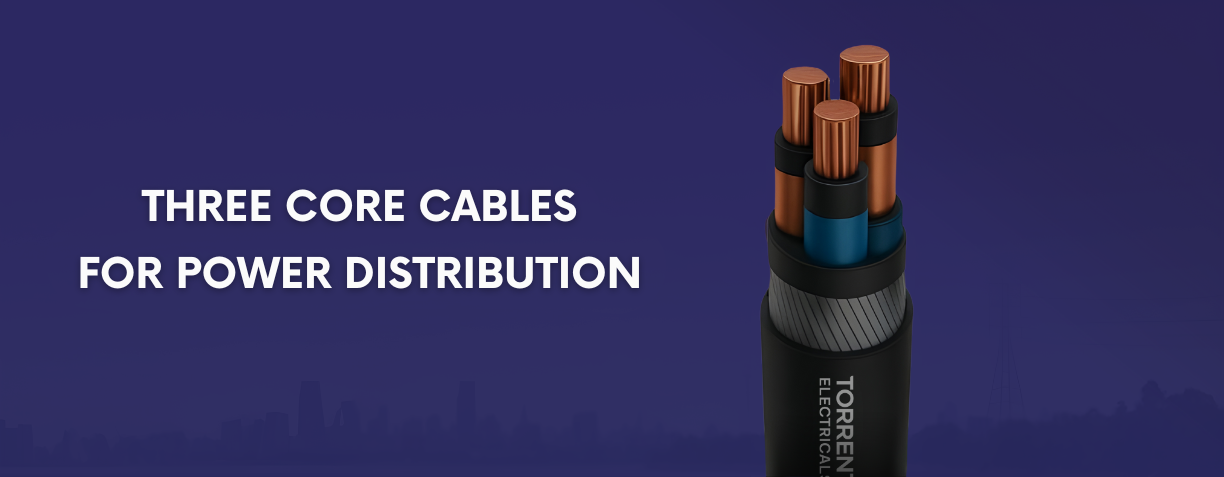
A Three Core Cable is an electrical cable that contains three separately insulated conductors enclosed within a common outer sheath. Each of the three cores usually serves a specific purpose typically for three phase power distribution, where each core carries one phase of the power.
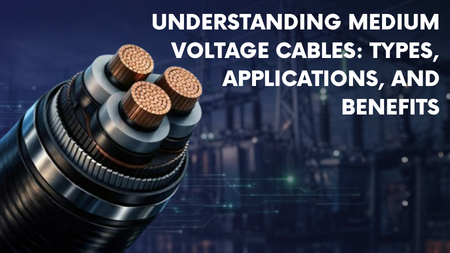
These cables are widely used in medium to high voltage cable installations, ranging from 1.1 kV up to 33 kV or more. The cores are generally made of high conductivity copper or aluminum, while the insulation is typically XLPE (Cross linked Polyethylene), offering excellent thermal and dielectric properties.
They are designed to carry substantial electrical loads over long distances, making them suitable for demanding applications like underground cabling, substations, and industrial machinery.
Structure and Composition
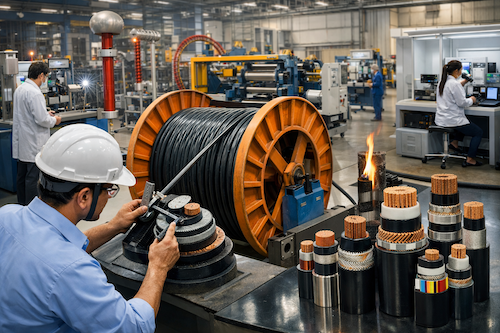
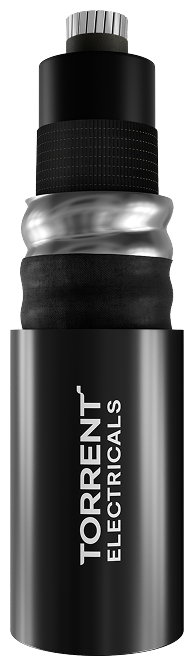
The typical construction of Three Core Cables includes:
- Conductor: Copper or aluminum, stranded for flexibility and better conductivity
- Insulation: Usually XLPE for high voltage applications, providing resistance to thermal and electrical stress
- Inner Sheath: Offers separation and base protection
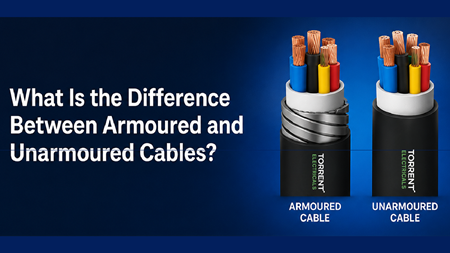
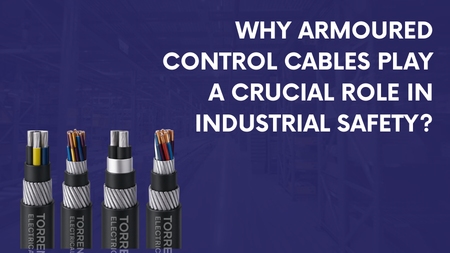
- Armouring (optional): Steel wire or tape armouring adds mechanical strength for underground or high-risk installations
- Outer Sheath: Generally made of PVC or PE for environmental protection and durability
Each layer in the cable’s construction is designed to protect the core conductors from mechanical damage, moisture, chemicals, and electrical stress.
Where Are Three Core Cables Used?
Three Core Cables are essential in both public and private infrastructure, especially where three phase systems are required. Some of the key areas of application include:
- Industrial Power Supply: Heavy industrial equipment often runs on three phase electricity for greater efficiency. HT Cables configured as three core are commonly used to supply power to large motors, drives, and machinery in industries like steel, cement, textiles, and chemicals.
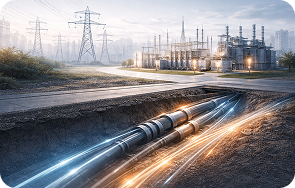
- Underground Power Distribution: Three core High Tension Cables are widely used in underground installations, particularly in urban or high-density areas where overhead lines aren’t feasible. Their robust insulation and mechanical strength make them ideal for trenching and duct installations.
- Substations and Transformer Connections: Medium and high voltage cables in three core configurations are used to link transformers to main distribution systems. This ensures stable, balanced, and continuous power delivery to downstream circuits.
- Renewable Energy Installations: Wind farms, solar fields, and hybrid power plants use three phase systems to generate and transmit electricity. Three Core Cables are used to connect inverters, transformers, and switchboards in these systems, helping ensure seamless transmission.
- Power Supply to High Rise Buildings: Large residential and commercial buildings rely on three phase power for elevators, HVAC systems, water pumps, and more. Three core HT cables are used to bring high voltage power from external grids to building transformers or main distribution panels.
Three Core vs. Single Core Cables
A common comparison in electrical design is between Three Core Cables and Single Core Cables.
Single Core Cables consist of only one insulated conductor and are often used when flexibility in routing or space separation of phases is necessary.
Three Core Cables, on the other hand, offer the advantage of having all three conductors in one single, compact cable making installation easier and more space efficient.
While single core may be preferred in certain tray or duct layouts for high voltage feeders, three core designs reduce electromagnetic interference (EMI), simplify installation, and lower the risk of phase imbalance or misconnection.
Advantages of Three Core Cables in Power Distribution
Let’s understand why these cables are so critical in today’s electrical systems:
- Efficient Power Transfer: Three core cables are ideal for balanced three phase load transfer, minimizing power losses and improving system stability.
- Compact and Easy to Install: With all three phases in one cable, it simplifies routing and reduces the need for multiple parallel runs.
- Enhanced Safety: The bundled design and insulation layers reduce the chance of short circuits, electric arcs, or accidental contact.
- High Mechanical Strength: With armoured options available, they can handle underground pressure, moisture, and even rodent attacks in certain environments.
- Lower Electromagnetic Interference: The proximity of the cores to one another in a single sheath helps cancel out electromagnetic fields, reducing interference with nearby equipment or cables.
Important Considerations Before Choosing a Three Core Cable
Selecting the right Three Core Cable involves understanding a few technical and environmental factors:
- Voltage rating: Ensure compatibility with system voltage (e.g., 6.6kV, 11kV, 33kV)
- Conductor material: Copper offers higher conductivity, while aluminum is lighter and more cost effective
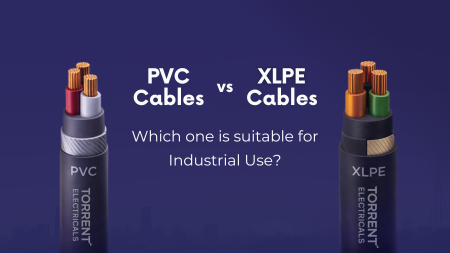
- Insulation type: XLPE is common for HT cables; for lower voltages, PVC may suffice
- Installation conditions: Will the cable be buried underground, installed in ducts, or exposed to chemicals?
- Compliance with standards: Cables should meet IS (Indian Standards) or IEC (International Electrotechnical Commission) norms for quality and safety
Sustainability and Energy Efficiency
In the shift towards energy efficient systems, three core HT cables play a role in reducing transmission losses. Their design supports optimal power factor management, thermal resistance, and long-term reliability, making them compatible with both conventional and renewable energy systems.
Moreover, advancements in insulation technology and material engineering are making these cables more ecofriendly and recyclable, aligning with sustainable infrastructure goals.
Conclusion
Whether it's powering an industrial plant, connecting a substation, or distributing electricity in urban infrastructure, Three Core Cables are at the heart of modern electrical systems. Their efficient design, high voltage capacity, and durability make them indispensable for both high demand and critical power applications.