



















Introduction
The difference between armoured and unarmoured cables lies in their construction, level of protection, and intended applications. While armoured cables are designed to withstand physical stress and demanding operating conditions, unarmoured cables are intended for installations where additional mechanical protection is not required. Understanding these differences helps in selecting a that supports safety, durability, and long-term performance.
What Are Armoured Cables?
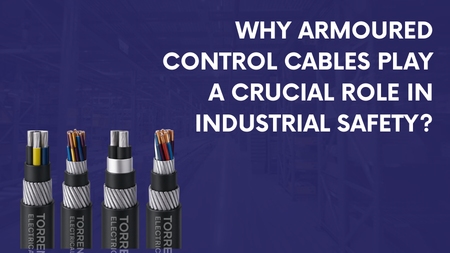
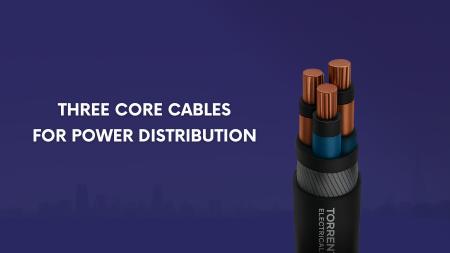
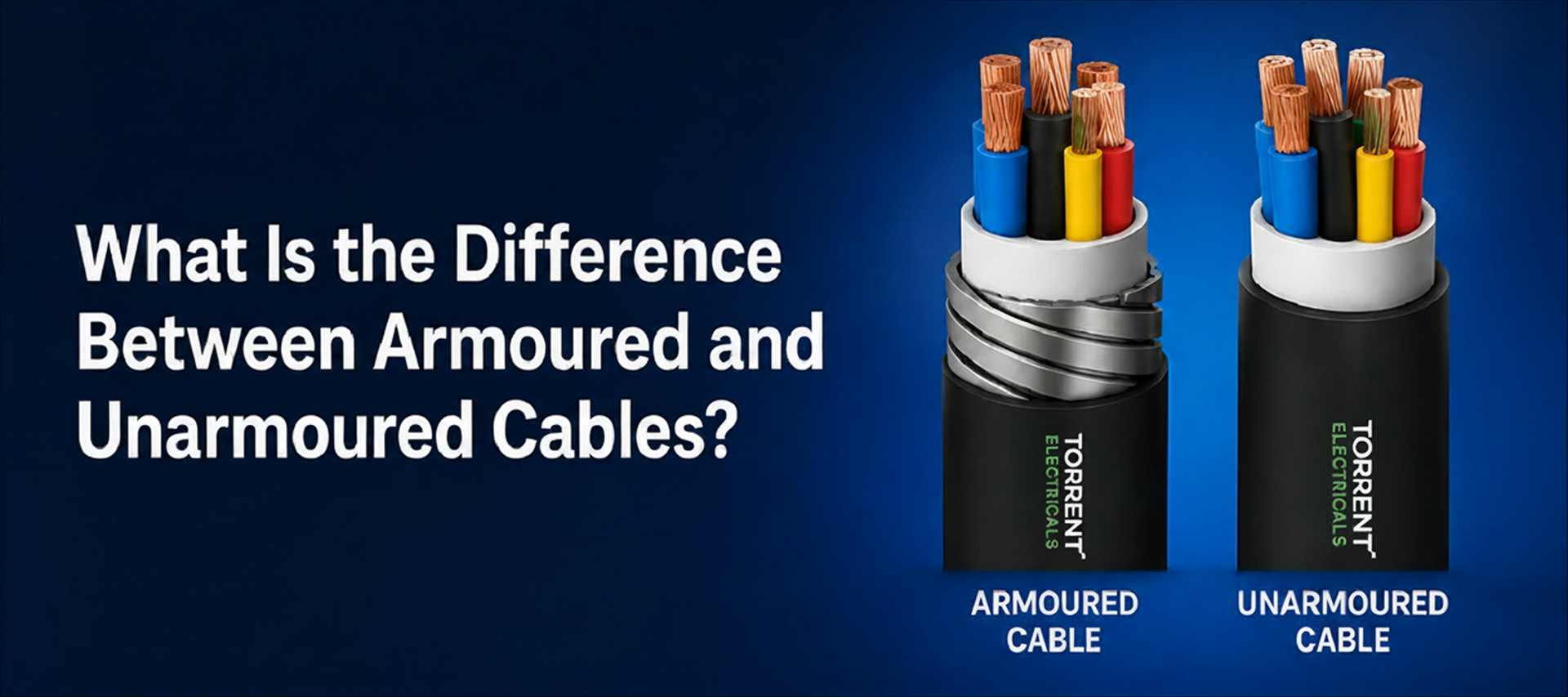
Armoured cables are electrical cables equipped with an additional metallic protective layer, typically made from steel wire or steel tape, placed over the insulated conductors. This protective covering helps safeguard the cable against mechanical impact, crushing forces, abrasion, and other external stresses that may occur during installation or operation.
Because of their robust construction, armoured cables are commonly installed in locations where wiring may be exposed to accidental damage or challenging environmental conditions. They are widely used in underground power distribution networks, industrial facilities, infrastructure projects, and outdoor electrical installations across India.
Key Features of Armoured Cables
Armoured cables are preferred in demanding environments due to their enhanced protection and durability.
| Feature | Description |
|---|---|
| Mechanical Protection | The metallic armour helps protect the cable from impact, crushing, abrasion, and accidental damage during installation and operation. |
| High Durability | Designed to withstand demanding environmental conditions, including moisture, vibration, and industrial operating environments. |
| Underground Use | Suitable for direct burial and underground installations where additional protection is required. |
| Rodent Resistance | The armour layer helps reduce the risk of damage caused by rodents and external interference. |
| Long Service Life | Enhanced protection contributes to reliable performance and reduced maintenance requirements over time. |
These characteristics make armoured cables suitable for reliable installations and improved physical protection.
What Are Unarmoured Cables?
To understand the difference between unarmoured and armoured cables, it is important to examine how each cable is constructed and used. Unarmoured cables do not include a metallic protective layer and instead rely on their insulation and outer sheath for protection.
Due to their lighter construction, these cables are generally more flexible, easier to handle, and simpler to install. They are commonly used in protected environments where the risk of mechanical damage is minimal, such as residential buildings, offices, commercial interiors, and conduit-based wiring systems.
When installed under suitable conditions, unarmoured cables provide reliable electrical performance while offering a cost-effective solution for everyday wiring applications.
Armoured vs Unarmoured Cables: Key Differences
Although both cable types perform the same basic function of transmitting electrical power, their construction and intended applications differ significantly. When comparing armoured vs unarmoured cables, factors such as protection, flexibility, installation environment, and cost become important.
| Parameter | Armoured Cable | Unarmoured Cable |
|---|---|---|
| Protection | Includes metallic armour for mechanical protection | Relies on insulation and outer sheath |
| Durability | Higher resistance to external damage | Suitable for protected environments |
| Installation Area | Outdoor, industrial, and underground applications | Indoor and protected installations |
| Flexibility | Less flexible due to armour layer | More flexible and easier to route |
| Cost | Higher initial cost | Generally more economical |
| Risk Handling | Lower risk of physical damage | May require additional protection in exposed locations |
This comparison helps engineers choose the right cable based on installation safety and environmental conditions.
Applications of Armoured and Unarmoured Cables
The selection of a cable type depends largely on the installation environment and operational requirements. While armoured cables are often chosen for demanding applications, unarmoured cables are preferred where wiring remains adequately protected.
Common applications of armoured cables:
- Industrial facilities
- Underground power distribution
- Outdoor electrical installations
- Infrastructure and construction projects
- Heavy machinery environments
Common applications of unarmoured cables:
- Residential wiring
- Office buildings
- Commercial interiors
- Conduit-based installations
- Protected indoor electrical systems
Both cable types may also be used in infrastructure and renewable energy projects depending on site conditions and design requirements.
Choosing the Right Cable
The decision between unarmoured vs armoured cables should be based on installation conditions, environmental exposure, maintenance expectations, and overall project requirements.
Consider the following factors:
- Whether the installation is indoors or outdoors
- Exposure to physical impact or mechanical stress
- Requirement for underground installation
- Environmental conditions such as moisture, chemicals, or temperature fluctuations
- Budget and lifecycle cost considerations
- Compliance with applicable electrical standards
A careful assessment of these factors helps ensure the selected cable delivers the required balance of safety, performance, and durability.
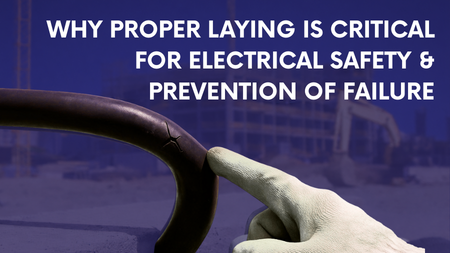
Installation Tips for Safe Wiring
Proper installation practices play an important role in achieving reliable cable performance and extending service life.
- Follow manufacturer installation recommendations.
- Maintain the recommended bending radius during installation.
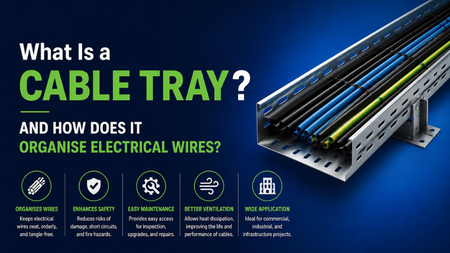
- Use suitable conduits, cable trays, or supports where required.
- Ensure proper earthing and bonding arrangements.
- Inspect cable insulation and sheath condition before energising the circuit.
- Conduct testing after installation to verify electrical integrity.
Following recognised installation practices helps minimise faults and supports long-term system reliability.
Conclusion
Understanding the difference between armoured and unarmoured cables is essential for selecting the most suitable solution for an electrical installation. Armoured cables provide enhanced mechanical protection for demanding environments, while unarmoured cables offer a practical and economical option for protected indoor applications.
The right choice depends on factors such as installation location, environmental conditions, exposure to physical damage, and project requirements. Evaluating these considerations during the planning stage can help improve system reliability, support electrical safety, and reduce long-term maintenance needs.