













LV Control Cables: Backbone of Modern Electrical Systems
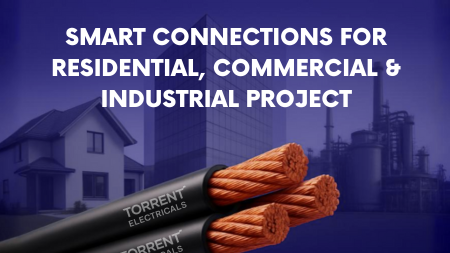
In today’s increasingly automated and interconnected world, Low Voltage (LV) Control Cables have become critical components of modern electrical infrastructure. Whether powering systems in a commercial high rise or managing control signals in a manufacturing plant, these cables ensure that operations run smoothly, efficiently, and safely.
Often working silently behind the scenes, LV Control Cables are responsible for carrying essential commands and feedback between control panels, motors, and field equipment. Without them, there would be no reliable way to manage modern electrical systems.
This blog will help you understand what LV Control Cables are, their uses, and why they are considered the backbone of modern power distribution networks.
What Are LV Control Cables?
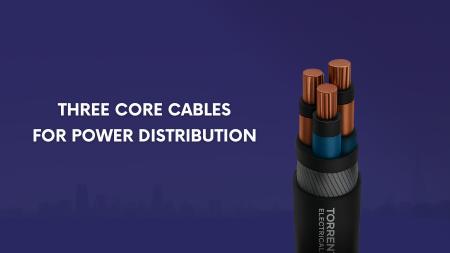
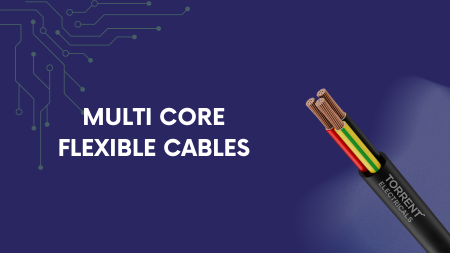
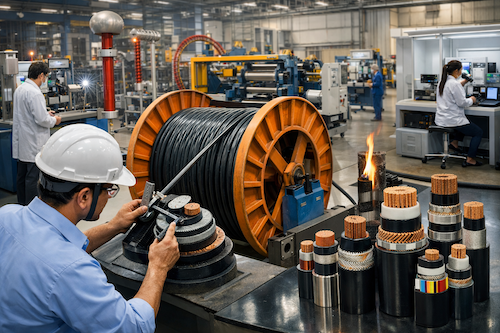
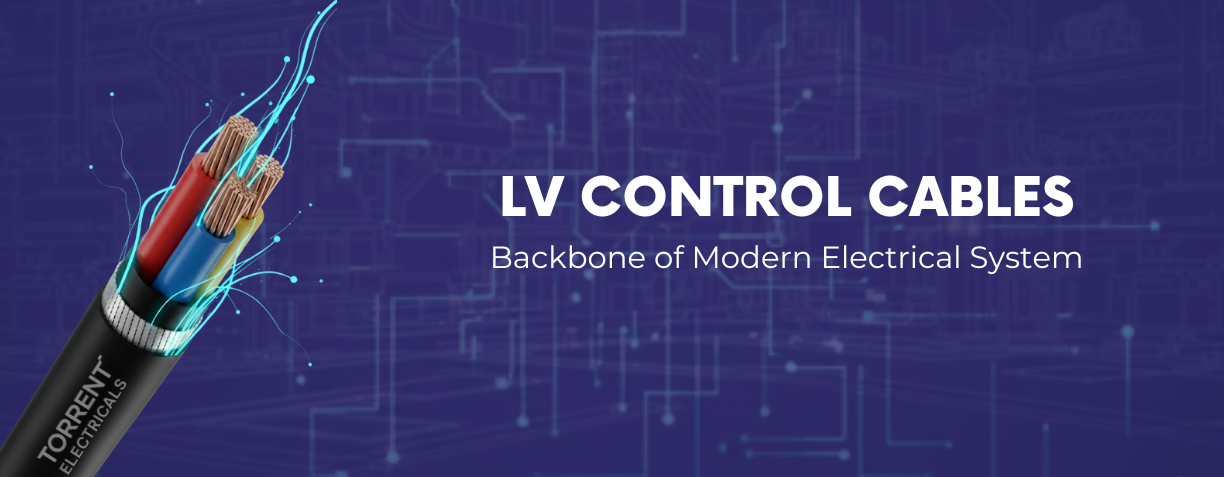
LV Control Cables are multi core insulated cables designed for low voltage applications in electrical systems. Their primary role is not to carry heavy electrical loads like power cables but to transmit control signals and low voltage power between various components of an electrical network.
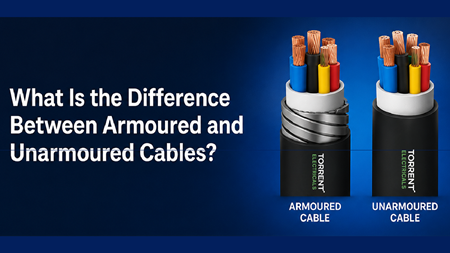
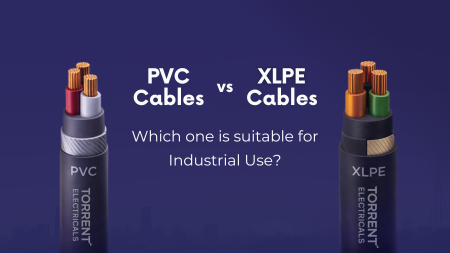
These cables are available in various configurations and insulation types, including PVC and XLPE, with or without armouring depending on the installation environment.
In short, control cables serve as the communication lines of an electrical system, enabling precise management of automation processes, safety systems, and control panels.
Where Are LV Control Cables Used?
LV Control Cables are widely used in:
- Industrial control systems
- Power plants and substations
- Building management systems
- Infrastructure projects like airports, metros, and highways
- Oil and gas facilities
- Process automation environments
- Commercial and institutional buildings
They are particularly important in systems that require real time control, feedback, and monitoring, making them essential in both domestic and global applications.
Key Features of LV Control Cables
The growing reliance on automation and data driven systems has increased the demand for high quality LV control cabling. Here are the key features to look for:
- Signal Integrity
LV Control Cables are engineered to transmit low voltage signals over long distances without interference. Shielding and proper insulation help reduce signal degradation and electromagnetic interference. - Durable Insulation
Most modern control cables are insulated with XLPE or PVC. XLPE is especially preferred in critical systems due to its excellent thermal and electrical resistance. - Mechanical Strength
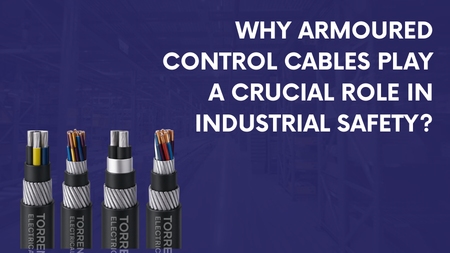
Cables used in demanding environments are often armoured with steel tape or wire, offering better mechanical protection against external damage. - Multi Core Design
Multi core configurations allow multiple control functions to run through a single cable, saving installation space and simplifying cable management.
Role of XLPE Cables in LV Systems
XLPE Cables are now widely used in LV control applications due to their superior performance. XLPE insulation offers:
- Higher current carrying capacity
- Improved thermal performance
- Excellent resistance to chemicals, moisture, and UV radiation
- Longer service life under varying environmental conditions
When used in LV Control Cables, XLPE ensures consistent signal transmission and enhances the system’s ability to perform under high stress environments.
LV Control Cables vs. Power Cables
Although both are part of the electrical infrastructure, control cables and power cables serve very different purposes:
- Power Cables are designed to carry high electrical loads to machines and systems.
- Control Cables carry signals to control and monitor those machines and systems.
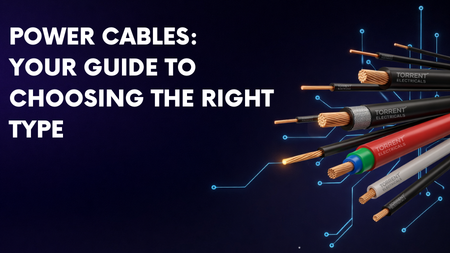
Using a control cable for power, or vice versa, can lead to inefficient performance and even safety risks. Proper cable classification is crucial for safe and compliant installations.
Choosing the Right LV Control Cable
When selecting a cable for your application, consider the following:
- Conductor material: High purity copper for better conductivity
- Insulation: Choose between PVC for standard use or XLPE for high performance environments
- Core count: Depends on the number of control functions required
- Installation conditions: Consider whether armouring is needed for mechanical protection
- Fire safety: Use flame retardant and low smoke options in enclosed spaces
Each of these factors will impact performance, installation ease, and longevity of the cable system.
Benefits of High-Quality Control Cables
Investing in the right LV Control Cables can deliver the following benefits:
- Reliable control signal transmission
- Improved automation and safety response
- Reduced risk of fire or failure
- Lower maintenance and operational costs
- Compliance with building and industrial regulations
In industrial environments, even a small failure in control wiring can lead to large scale operational disruptions. High quality control cables help prevent such issues.
Trusted Cable Solutions for Modern Installations
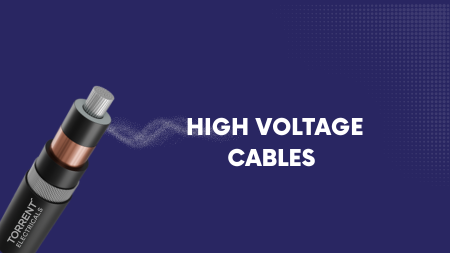
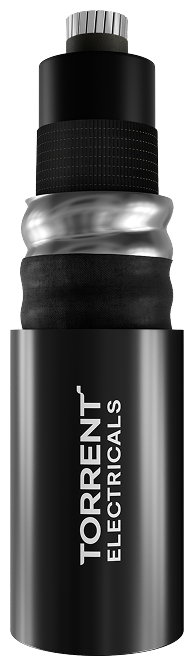
For modern infrastructure and industrial systems, choosing the right cable solution is crucial. Reputed manufacturers like Torrent Electricals Ltd offer a complete range of LV Control Cables, HT Cable, and Power Cables insulated with XLPE or PVC.
These cables are tested under strict quality control measures to meet IS and IEC standards. With multi core options, fire resistant properties, and armoured protection, they are suitable for applications ranging from automation panels to substation wiring.
Conclusion
As electrical systems become smarter, more interconnected, and safety focused, LV Control Cables are playing an increasingly important role. These cables are the nervous system of modern automation—connecting components, transmitting control signals, and keeping critical systems running smoothly.
From industrial machinery to smart city infrastructure, LV Control Cables ensure that every system behaves exactly as expected. Their ability to function reliably, even under challenging conditions, makes them a must have in both domestic and global installations.