














Different Types of Power Cables and How to Select the Right One
Introduction: Power Cables Are the Backbone of Modern Electrical Networks
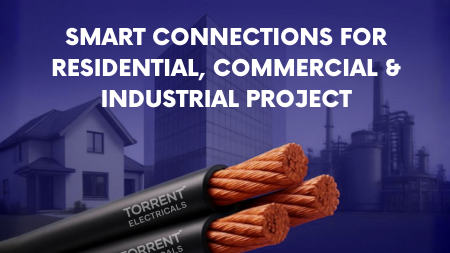
Whether it’s a residential building, manufacturing plant, renewable energy project, or metro rail system electricity can only function efficiently through one critical component: power cables. These cables ensure safe, stable, and uninterrupted energy transmission across short and long distances. But with so many types of electrical cables, choosing the right one is often confusing.
From LV cables used in residential buildings to Extra High Voltage Cables (EHV) used in industrial grids every cable serves a specialized purpose. Selecting the wrong type can lead to energy loss, overheating, frequent breakdowns, and safety risks.
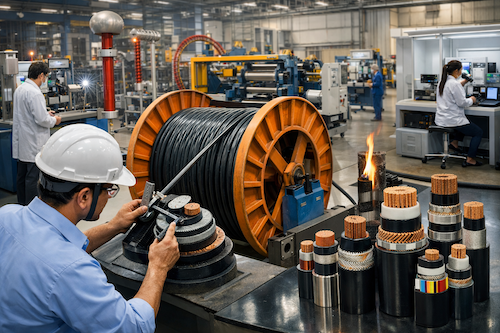
This guide breaks down all major types of power cables, explains where each is used, and shows how to choose the right one for your electrical system. As a trusted manufacturer of XLPE cables, control cables, flexible cables, PVC cables, and submersible cables, Torrent Electricals brings clarity, expertise, and industry reliability to help you make an informed choice.
1. Low Voltage Cables (LV Cables / LT Cables)
Low Voltage Cables, also known as LV Cables or LT Cables, are designed to carry voltages up to 1.1kV. These are widely used in:
- Commercial buildings
- Office circuits
- Small machinery
- Lighting systems
LV cables focus on durability, flexibility, and fire safety. Torrent Electricals offers PVC cables, XLPE LV cables, and multi core cables engineered for long life and minimal maintenance.
These cables are insulated using high-quality PVC or XLPE materials to withstand heat, moisture, and daily wear making them the preferred choice for stable low-voltage distribution.
2. High Tension Cables (HT Cables)
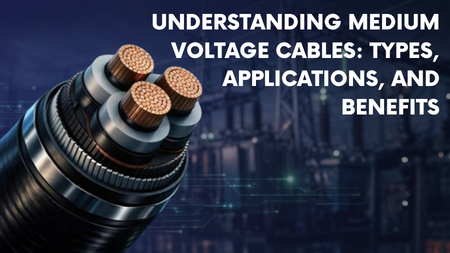
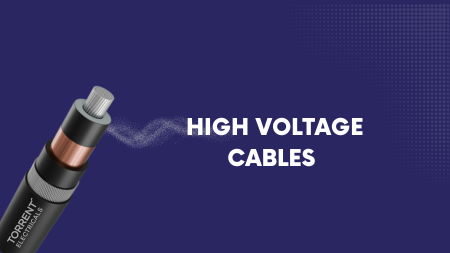
High Tension Cables are used where voltage levels range between 3.3kV to 33kV. These cables are critical for:
- Industrial plants
- Power stations
- Large commercial complexes
- Manufacturing units
- Infrastructure projects
HT cables carry larger loads over longer distances and require excellent insulation properties. Torrent Electricals manufactures XLPE HT cables designed for superior thermal performance, mechanical strength, and long-term reliability.
These cables are resistant to overload, temperature fluctuations, and environmental challenges making them essential for heavy-duty electrical systems.
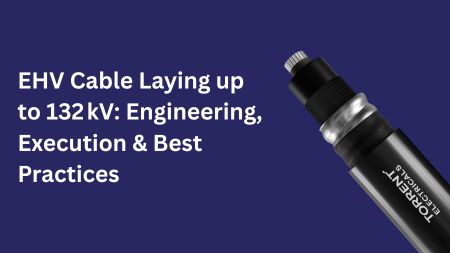
3. Extra High Voltage Cables (EHV Cables)
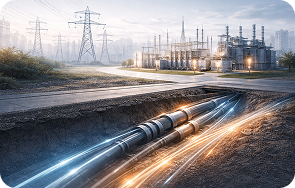
When industries require power transmission above 66kV, Extra High Voltage Cables come into play. These are used in:
- Transmission networks
- Renewable energy plants
- Metro and rail infrastructure
- Long-distance power distribution
Torrent Electricals designs Extra High Voltage Cables with precision to ensure minimal power loss, high dielectric strength, and long service life. EHV cables are crucial for maintaining grid stability and reducing technical losses.
4. XLPE Cables – The Most Reliable Power Cable in Modern Systems
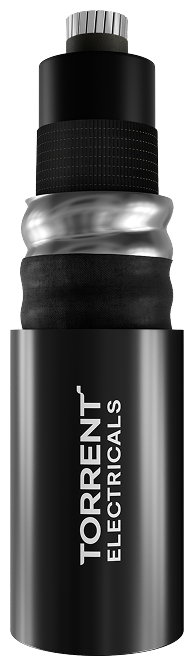
XLPE (Cross-Linked Polyethylene) Cables are one of the most widely used power cable types today. They are preferred because XLPE insulation provides:
- Excellent thermal resistance
- High current-carrying capacity
- Resistance to chemicals, moisture, and abrasion
- Longer life compared to conventional PVC cables
XLPE cables are available for LV, HT, and EHV applications. Torrent Electricals produces XLPE power cables with enhanced electrical strength, ensuring safety and performance across critical sectors.
5. Single Core vs. Three Core Cables
Single Core Cables
Used for:
- High-current applications
- Transmission lines
- Industrial control panels
These cables offer excellent flexibility and efficient heat dissipation.
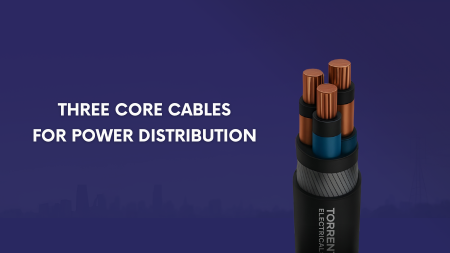
Three Core Cables
Used for:
- LT/HT distribution
- Motors and starters
- Underground installations
Three core cables provide balanced load sharing and added protection.
Torrent Electricals manufactures single core cables, three core cables, and multi core cables, ensuring compatibility with diverse wiring needs.
6. Flexible Cables & Control Flexible Cables
Flexible Cables are multi-stranded conductors designed for applications requiring frequent movement. They are ideal for:
- Household appliances
- Machinery
- Robotics
- Temporary wiring
- Panels and CNC systems
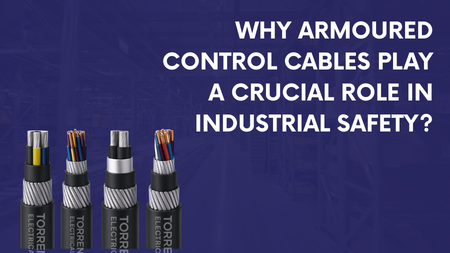
Control Flexible Cables are specifically designed for monitoring, automation, and communication in industrial environments. They ensure precise signal transmission and smooth workflow operations.
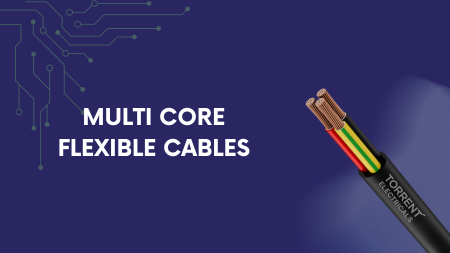
Torrent Electricals’ flexible cable range includes:
- Single Core Flexible Cables
- Multi Core Flexible Cables
- Control Flexible Cables
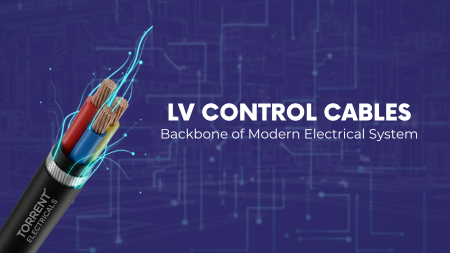
- LV Control Cables
These cables are engineered with superior insulation to withstand vibration, bending, heat, and mechanical stress.
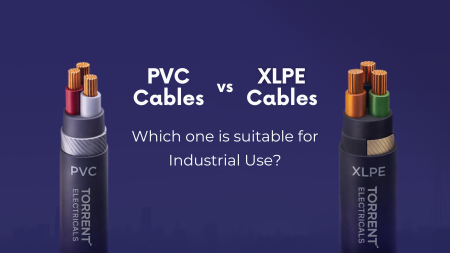
7. PVC Cables – Ideal for General Wiring
PVC Cables are widely used for general electrical applications due to their:
- Cost-effectiveness
- Good insulation properties
- Flame-retardant nature
- High flexibility
Torrent Electricals uses high-quality PVC that resists heat, moisture, and chemicals making these cables dependable for domestic and commercial wiring.
8. Submersible Cables – Built for Water-Exposed Environments
Submersible cables are built to perform underwater. They are generally used in:
- Borewell pumps
- Agriculture
- Water treatment plants
- Mining operations
Torrent Electricals manufactures submersible cables with tough insulation that prevents water ingress and maintains consistent power supply even in harsh submerged conditions.
9. How to Select the Right Power Cable
Choosing the correct cable depends on several factors:
Voltage Level
Determine whether you need LV, HT, or EHV cables based on your load requirements.
Load & Current Capacity
Higher loads require thicker conductors and XLPE insulation.
Installation Type
Underground, overhead, indoor, outdoor each setup requires a different cable design.
Environmental Conditions
Heat, moisture, chemicals, vibration all determine insulation and sheath type.
Safety Standards
Always ensure cables meet ISI, IEC, and RoHS standards.
Application
Choose the appropriate cable type:
- Flexible cables → appliances, panels
- Control cables → automation
- LV cables → residential & commercial
- HT/EHV cables → large industries
Torrent Electricals manufactures a wide range of certified power cables, electrical cables, control cables, XLPE cables, and flexible cables to meet every application with safety and reliability.
Conclusion: Choose Smart, Choose Safe, Choose Torrent Electricals
The right power cable can enhance performance, reduce energy loss, and ensure long-term safety. With increasing infrastructure growth and rising demand for reliable power distribution, selecting high-quality cables has never been more important.
Torrent Electricals brings decades of expertise in producing superior LV, HT, XLPE, control, flexible, and submersible cables designed to meet global quality standards. From homes to industries our cables deliver safety, consistency, and trust.