



















Why Proper Cable Laying Is Critical to Prevent Cable Failure and Ensure Electrical Safety
Introduction: Cable Quality Alone Is Not Enough
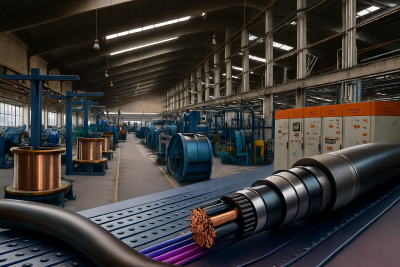
In modern electrical systems, much attention is given to choosing the right cable, be it power, control, or specialised application cables. However, even the highest-quality electrical cables can fail prematurely if they are not installed correctly. Across residential, commercial, industrial, and infrastructure projects, a significant percentage of electrical faults occur not because of poor cable manufacturing, but due to improper cable laying practices.
Incorrect bending, inadequate grounding, exposure to moisture, uneven stress, or poor routing can damage insulation and conductors over time. This eventually leads to voltage drops, overheating, short circuits, and in severe cases, fire hazards. That is why proper cable laying is considered just as critical as selecting the right cable type.
This technical guide explains why correct cable laying is essential, how poor installation leads to failure, and what best practices help ensure long-term safety and performance.
1. Understanding Cable Failure: Where Problems Begin
Cable failure rarely happens overnight. In most cases, it is the result of gradual deterioration caused by mechanical stress, environmental exposure, or incorrect installation techniques. When electrical cables are laid without considering bending radius, load distribution, or grounding, the insulation begins to weaken.
Over time, this stress transfers to the conductor whether copper or aluminium leads to cracks, insulation breakdown, and eventual failure. This is why proper laying methods are a fundamental part of electrical system design, not an afterthought.
2. The Role of Proper Routing and Mechanical Protection
One of the most common reasons for cable damage is improper routing. Cables laid across sharp edges, congested trays, or uneven surfaces are exposed to continuous mechanical stress. This is particularly risky for power cables and control cables that operate under continuous load.
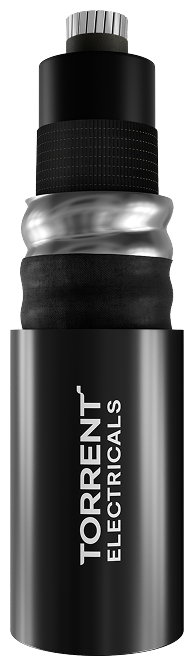
Using protective conduits, trays, or ducts and maintaining proper spacing ensures that cables are not compressed or rubbed against hard surfaces. In industrial environments, aluminium armoured cable is often preferred because its armour provides additional mechanical protection, but even armoured cables must be laid correctly to perform as intended.
3. Why Bending Radius Matters More Than You Think
Every cable has a specified minimum bending radius. Ignoring this during installation is one of the fastest ways to damage insulation and conductor integrity. Tight bends cause internal stress, especially copper cable conductors, leading to micro cracks that may not be visible immediately.
Over time, these stressed areas heat up under load, accelerating insulation failure. Maintaining the recommended bending radius ensures uniform current flow and prevents premature damage, especially in electrical cables used for long-term installations.
4. Grounding and Earthing: A Critical Safety Factor
Improper grounding is another major contributor to cable failure. When cables, especially armoured or shielded types, are not correctly earthed, fault currents have no safe path to dissipate. This can result in insulation damage, equipment malfunction, or serious safety risks.
Proper earthing is essential for power cables, control cables, and armoured systems. Correct grounding not only protects the cable but also safeguards connected equipment and personnel from electrical shock and fault conditions.
5. Environmental Considerations During Cable Laying
Cables are often laid in challenging environments underground, outdoors, in damp areas, or near heat sources. Moisture ingress, UV exposure, chemicals, and temperature fluctuations can significantly affect cable performance if not accounted for during installation.
For example, PVC cables must be protected from excessive heat, while underground installations require proper bedding and moisture control. In renewable energy projects, solar cable and solar DC cable installations demand precise laying methods to withstand outdoor conditions and long-term exposure.
6. Importance of Proper Tension and Load Management
During cable pulling and laying, excessive tension can stretch conductors and weaken insulation. This is especially critical for long cable runs and vertical installations. Uneven load distribution causes stress points that later develop into faults.
Using correct pulling techniques, rollers, and tension control equipment ensures that cables retain their designed mechanical and electrical properties. This practice is essential for flexible cables, DC cables, and large diameter power cables used in industrial and infrastructure projects.
7. Segregation of Different Cable Types
Mixing different cable types without proper segregation is another common installation mistake. Running electrical cables alongside data, communication, or control lines without adequate separation can cause electromagnetic interference and signal disruption.
Proper segregation and spacing help maintain signal integrity, reduce interference, and improve overall system reliability. This is particularly important in automation systems where control cables must deliver accurate and uninterrupted signals.
8. Why Standards and Installation Guidelines Matter
National and international electrical standards specify not only cable design but also recommended installation practices. Following these guidelines ensures consistent performance, safety, and compliance.
9. Long-Term Impact of Proper Cable Laying
Correct cable laying directly influences the lifespan of an electrical system. Properly installed cables experience lower thermal stress, reduced mechanical wear, and fewer faults over time. This results in lower maintenance costs, reduced downtime, and improved safety.
10. Cable Laying as a Shared Responsibility
Ensuring proper cable laying is a collaborative effort. Engineers must design systems with installation in mind, contractors must follow best practices on site, and consultants must verify compliance. Choosing the right wire and cable company is only part of the solution; the execution on site determines real world performance.
Conclusion: Installation Quality Defines Electrical Safety
Selecting high-quality cables is essential, but proper cable laying is what ultimately determines safety and reliability. From routing and bending radius to grounding and environmental protection, every installation step directly affects cable performance and lifespan.
Well installed electrical cables reduce the risk of insulation failure, conductor damage, and electrical hazards. They ensure stable power delivery, protect equipment, and safeguard human life.
In India, organisations like Torrent Electricals Ltd., supported by the engineering legacy and governance of the Torrent Group, emphasise not only cable quality but also correct application and installation practices. Their approach reflects the industry’s growing understanding that electrical safety is achieved through the right product combined with the right installation.


