















Understanding Medium Voltage Cables: Types, Applications, and Benefits
In today’s power-driven world, reliable electricity transmission is the backbone of industrial growth, infrastructure development, and urban expansion. While low-voltage systems power homes and small offices, medium voltage cables play a critical role in distributing electricity across industries, utilities, renewable energy projects, and commercial complexes.
From substations and manufacturing plants to metro rail projects and large commercial buildings, Medium Voltage (MV) cables ensure safe and efficient transmission of power at higher capacities. Often referred to alongside High Tension Cables or HT Cable systems, these cables are designed to handle substantial electrical loads with stability and durability.
In this blog, we explore what medium voltage cables are, their types, key applications, and the benefits they offer in modern electrical infrastructure.
What Are Medium Voltage Cables?
Medium voltage cables typically operate in the voltage range of 1 kV to 33 kV, depending on regional classifications. They are used for power distribution between substations and end user facilities.
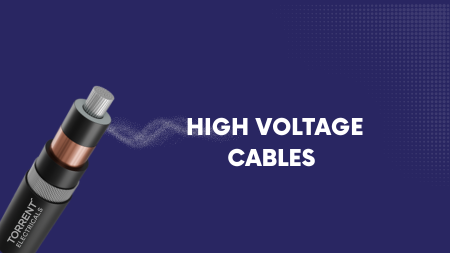
In many industrial contexts, these cables are associated with High Tension Cables due to their ability to transmit power over longer distances with reduced energy losses. While High Voltage Cable systems are used for transmission at even higher levels, medium voltage cables serve as the essential link between transmission networks and distribution systems.
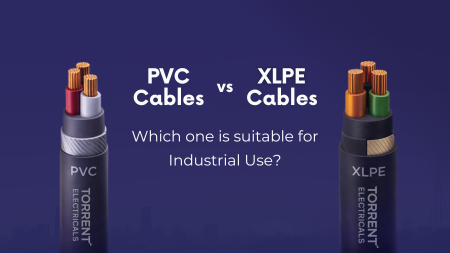
An HT Cable is engineered with advanced insulation materials such as XLPE to withstand electrical stress, thermal variations, and environmental challenges. These cables ensure consistent performance in demanding conditions.
Types of Medium Voltage Cables
The selection of cable type depends on load requirements, installation environment, and application.
Single Core Cables
Single Core Cables consist of one conductor with insulation and protective layers. They are widely used in medium voltage networks where high current capacity and efficient heat dissipation are required.
Single Core Cables are ideal for installations in power plants, substations, and large industrial facilities. Their design allows flexibility in routing and optimized thermal performance, making them suitable for heavy duty applications.
In many cases, High Tension Cables are configured as Single Core Cables for improved load handling and phase separation in three-phase systems.
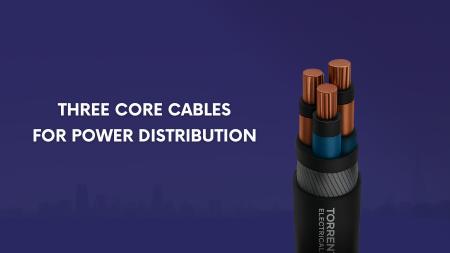
Three Core Cables
Three Core Cables contain three conductors within a single sheath, typically used in three-phase power systems. These cables simplify installation by combining all phases in one structure.
Three Core Cables are commonly used in industrial distribution networks, commercial buildings, and infrastructure projects where space efficiency and simplified routing are important.
An HT Cable configured as Three Core Cables provides balanced power distribution while maintaining compact installation requirements.
Applications of Medium Voltage Cables
Medium voltage cables are widely used across multiple sectors due to their versatility and reliability.
In industrial plants, they power heavy machinery, motors, and production lines.
In infrastructure projects such as airports and metro systems, they support critical power distribution systems.
In renewable energy installations, they connect solar farms and wind turbines to substations.
In commercial complexes, High Voltage Cable systems and High-Tension Cables ensure stable power supply to HVAC systems, elevators, and data centers.
The adaptability of Single Core Cables and Three Core Cables makes them suitable for underground, overhead, and duct installations.
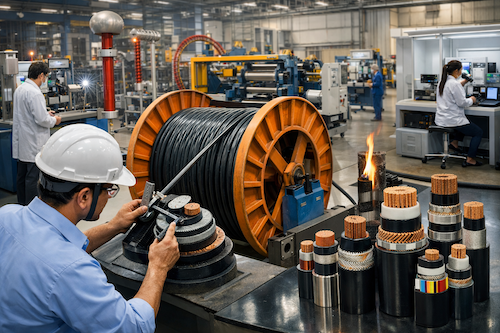
Key Components of Medium Voltage Cables
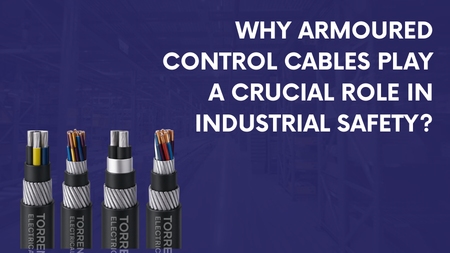
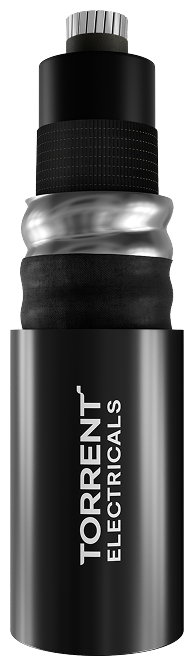
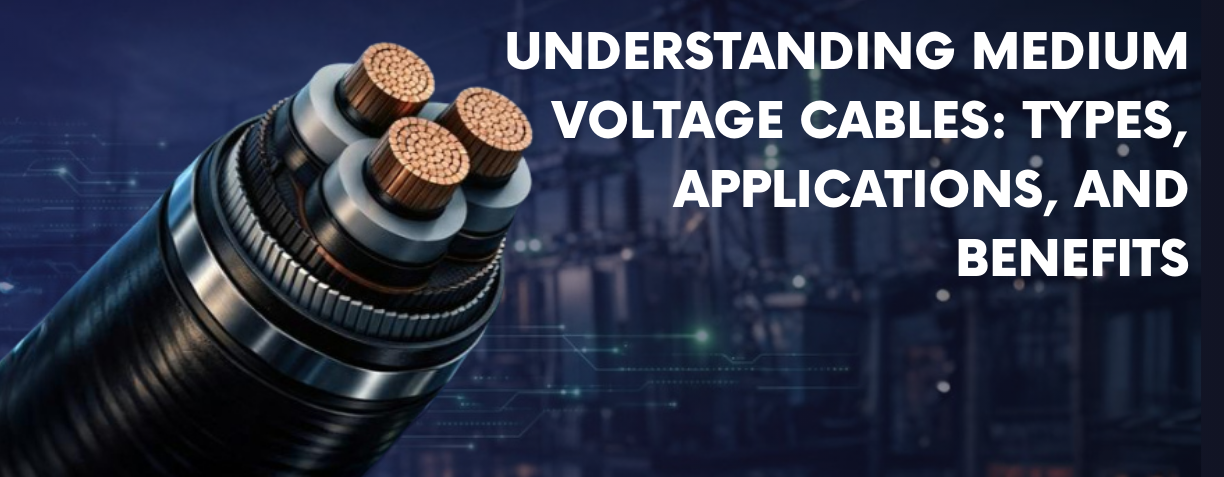
Medium voltage cables are engineered with multiple protective layers to ensure safety and performance.
The conductor, usually copper or aluminium, carries electrical current efficiently.
Insulation, often made of cross-linked polyethylene (XLPE), provides high dielectric strength and thermal resistance.
Shielding layers manage electrical stress and prevent interference.
Outer sheathing protects against mechanical damage, moisture, and environmental exposure.
These features make HT Cable systems reliable even in challenging operating conditions.
Benefits of Medium Voltage Cables
Efficient Power Transmission
Medium voltage cables minimize transmission losses compared to lower voltage systems. High Tension Cables ensure stable power flow across industrial and commercial networks.
Enhanced Safety
Modern High Voltage Cable and HT Cable systems are designed to prevent insulation breakdown, short circuits, and electrical faults. Their robust construction enhances operational safety.
Durability and Longevity
With proper installation and maintenance, Single Core Cables and Three Core Cables offer long service life. Advanced insulation materials ensure resistance to thermal stress and environmental factors.
Flexibility in Installation
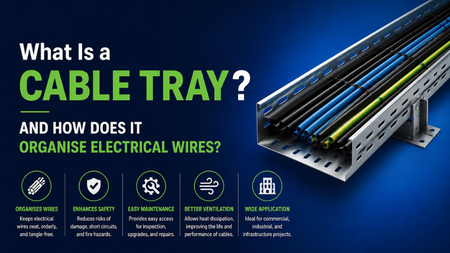
Medium voltage cables can be installed underground, in ducts, or in open cable trays. This flexibility makes them suitable for diverse project requirements.
Choosing Between Single Core and Three Core Cables
Selecting between Single Core Cables and Three Core Cables depends on project specifications.
Single Core Cables are preferred for high-current applications and installations requiring better heat dissipation.
Three Core Cables are ideal for compact installations where space is limited, and simplified cable management is desired.
Consulting experienced manufacturers ensures proper cable selection based on load calculations and environmental conditions.
Installation Considerations
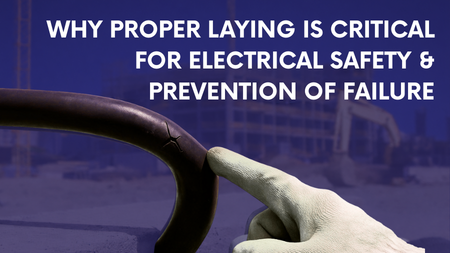
Proper installation is critical for optimal cable performance.
Cable routing should avoid sharp bends and excessive tension.
Soil thermal resistivity must be considered for underground installations.
Adequate spacing between High Tension Cables ensures efficient heat dissipation.
Testing and commissioning must be performed before energizing the system to verify insulation of integrity and operational readiness.
Medium Voltage vs High Voltage Cables
While medium voltage cables operate up to defined voltage ranges, High Voltage Cable systems are used for bulk power transmission at much higher voltages.
Medium voltage cables serve as a bridge between transmission networks and distribution systems. Their design ensures efficient transition of power to end use facilities.
High Tension Cables, including HT Cable systems, play a crucial role in ensuring stable power flow within industrial and infrastructure networks.
Role of Torrent Electricals Ltd in MV Cable Solutions
In high-performance power distribution systems, selecting a reliable manufacturer is essential.
Torrent Electricals Ltd Offers advanced High-Tension Cables, HT Cable solutions, and High Voltage Cable systems engineered for durability, safety, and performance. With a comprehensive portfolio including Single Core Cables and Three Core Cables, Torrent Electricals Ltd supports industrial, commercial, and infrastructure projects with dependable medium voltage cable solutions.
Their focus on quality manufacturing, compliance with global standards, and technical expertise ensures reliable power transmission across diverse applications.
Conclusion
Medium voltage cables are indispensable in modern electrical infrastructure. From industrial facilities to renewable energy projects, they enable safe, efficient, and reliable power distribution.
Understanding the differences between Single Core Cables and Three Core Cables, along with the role of High-Tension Cables and HT Cable systems, helps in selecting the right solution for your project.
If you are planning an industrial installation or infrastructure project, invest in high-quality High Voltage Cable and medium voltage systems that deliver long-term reliability. Explore the advanced cable solutions offered by Torrent Electricals Ltd and ensure your power distribution network is built for performance, safety, and future growth.