



















Introduction
Electrical faults can disrupt normal operations and, in some cases, create significant safety hazards. Understanding what is short circuit, recognising its warning signs, and knowing when professional assistance is required can help maintain safer electrical systems in homes, offices, and commercial spaces. Spotting warning signs, understanding what causes them, doing simple safety checks, and knowing when to call a professional can help lower the risks of a short circuit and avoid expensive damage.
What is an Electrical Short Circuit?
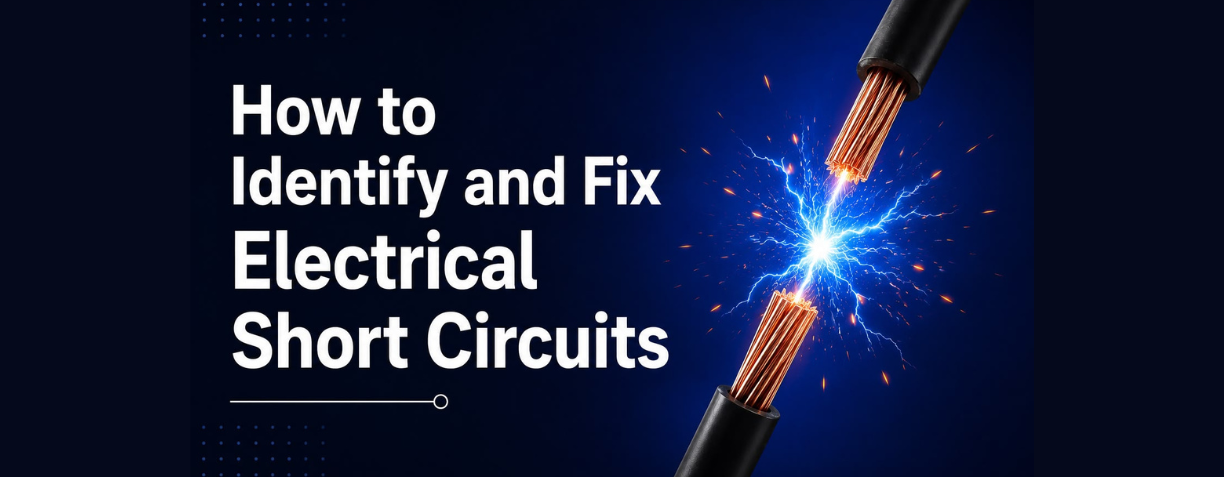
An electrical short circuit occurs when electric current takes an unintended low-resistance path instead of flowing through the designed circuit. Because electricity naturally follows the path of least resistance, a fault can cause excessive current to flow suddenly.
This unusual current flow creates heat and can damage wires, outlets, appliances, and electrical devices. In serious cases, a short circuit can cause sparks, smoke, or even fires. Circuit breakers, fuses, and other safety devices are made to stop the current when these problems happen.
How Does a Short Circuit Happen?
A short circuit usually develops when conductors that should remain separated come into direct contact. This can happen because of faulty wiring, damaged insulation, loose electrical connections, or equipment failure.
In residential and commercial installations, faults may develop because of deteriorated wiring, damaged extension cords, ageing switchboards, excessive loading, or moisture intrusion into electrical components. When the insulation around wires breaks down, electricity can skip the normal path and flow through a risky and low resistance route.
Common Causes of Electrical Short Circuits
Short circuits rarely occur without warning. In many cases, underlying issues develop gradually before eventually creating a fault condition.
- Damaged insulation exposing live conductors
- Loose wiring connections inside outlets and switchboards
- Overloaded circuits carrying excessive electrical load
- Faulty appliances with internal electrical defects
- Moisture in wiring systems or electrical equipment
- Damaged extension cords and plug tops
- Rodent damage to cables and insulation
These issues can occur in homes, offices, retail shops, factories, and buildings exposed to humidity or monsoon-related moisture.
Types of Short Circuits
Although the term short circuit is often used broadly, electrical faults can occur in several different forms depending on how the unintended current path is created. Electrical faults are generally categorised into several types.
- Normal Short Circuit: Occurs when a live conductor directly contacts a neutral conductor.
- Ground Fault: It occurs when a live conductor comes into contact with a grounded surface or earth path.
- Arc Fault: Happens when electricity jumps across gaps between conductors, creating high-temperature arcs.
The type of fault often depends on wiring quality, grounding setup, environmental conditions, and safety devices installed.
Signs of a Short Circuit in Your Home or Office
Electrical systems often provide warning signs before a fault develops into a more serious issue. Recognising these symptoms early can help prevent equipment damage and reduce safety risks.
- Frequent MCB or circuit breaker tripping
- Burning smell near outlets or switchboards
- Visible sparks from switches or sockets
- Flickering or dimming lights
- Warm electrical outlets or switch plates
- Blackened sockets or plug points
- Appliances suddenly stopping operation
- Unusual buzzing sounds from electrical equipment
- Smoke from electrical fixtures
- Repeated fuse failures
Signs of a Past Short Circuit
Not all faults remain active. However, physical evidence left behind by an earlier short circuit can indicate that repairs or further inspection may be necessary.
- Burn marks on outlets
- Damaged socket faces
- Melted wire insulation
- Discoloured switches
- Scorch marks near electrical panels
- Damaged appliance plugs
- Heat-damaged wiring insulation
- Charred electrical components
Older buildings, kitchens, offices, and equipment rooms may show these warning signs after previous electrical incidents.
How to Identify a Short Circuit Safely
While some basic checks can help narrow down the source of a fault, electrical testing should always be approached cautiously. If there is any uncertainty, professional inspection is recommended.
Step 1: Switch Off Power
Turn off the main power supply before beginning any inspection.
Step 2: Locate the Affected Circuit
Determine which breaker or fuse repeatedly trips.
Step 3: Disconnect Appliances
Unplug devices connected to the affected circuit.
Step 4: Perform a Visual Inspection
Look for damaged insulation, burn marks, loose wiring, or moisture.
Step 5: Test the Circuit
Use approved testing equipment to help detect short circuit conditions.
Step 6: Isolate the Fault
Reconnect equipment one item at a time to identify the source.
If the fault is hidden within walls or distribution systems, professional short circuit testing should be performed by a qualified electrician.
Tools Needed to Check a Short Circuit
The following tools are commonly used when investigating electrical faults and conducting short circuit testing:
- Multimeter
- Voltage tester
- Continuity tester
- Insulated screwdriver
- Protective gloves
- Flashlight
- Electrical inspection mirror
These tools should only be used after switching off power and following appropriate electrical safety procedures.
Safety Precautions Before Fixing a Short Circuit
Before attempting any short circuit fix, follow these safety precautions:
- Turn off the main power supply
- Confirm circuits are de-energized
- Avoid wet surfaces
- Do not touch exposed conductors
- Wear protective gloves where appropriate
- Use insulated tools only
- Keep the work area dry
- Ensure adequate lighting
- Follow manufacturer instructions for testing equipment
- Stop immediately if the fault source cannot be identified
Electrical faults in homes, offices, and commercial properties should never be handled carelessly.
How to Fix an Electrical Short Circuit
A successful short circuit fix begins with accurately locating the source of the fault. Attempting repairs before identifying the affected component can result in recurring problems or additional damage.
Step 1: Turn Off the Main Power Supply
Disconnect power before performing any work.
Step 2: Identify the Affected Circuit
Locate the breaker or fuse associated with the fault.
Step 3: Check Outlets, Switches, and Appliances
Inspect connected devices for visible signs of damage.
Step 4: Inspect Visible Wiring
Look for damaged insulation, overheating, or loose connections.
Step 5: Test Continuity
Use a multimeter or continuity tester to help locate the fault.
Step 6: Isolate the Faulty Component
Disconnect suspected devices or wiring sections.
Step 7: Repair or Replace Damaged Components
Depending on the cause, the repair may involve replacing damaged outlets, switches, cables, plugs, or sections of wiring before restoring the circuit to service.
Step 8: Restore Power and Test
After repairs are completed, restore power and verify normal operation.
While some appliance-related faults may be straightforward to address, repairs involving concealed wiring, switchboards, or distribution systems should be handled by qualified electricians. Attempting to fix short circuit faults without the necessary expertise can create additional safety risks.
When Should You Call a Professional Electrician?
You should seek short circuit professional help when:
- MCBs trip repeatedly
- A burning smell persists
- Sparks are visible
- Wiring damage is extensive
- Faults occur inside walls
- Commercial electrical systems are affected
How to Prevent Short Circuits in the Future
The best approach is to prevent short circuit conditions before they occur. Preventive maintenance is often more effective and less costly than dealing with emergency electrical repairs after a fault occurs.
- Schedule regular wiring inspections
- Replace damaged cords promptly
- Avoid overloading extension boards
- Use quality electrical accessories
- Keep moisture away from electrical points
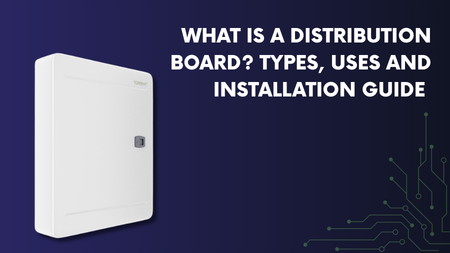
- Maintain distribution boards properly
- Inspect outlets for signs of overheating
Role of MCBs, GFCIs and AFCIs in Short Circuit Protection
Protective devices play an important role in limiting damage caused by electrical faults and helping disconnect unsafe circuits before conditions worsen.
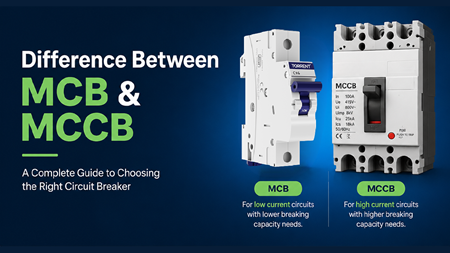
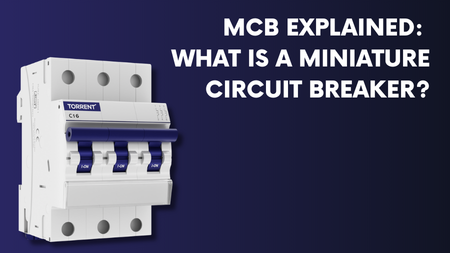
- Miniature Circuit Breaker (MCB): Interrupts excessive current flow during faults.
- Ground Fault Circuit Interrupter (GFCI): Detects ground-fault conditions and disconnects power.
- Arc-Fault Circuit Interrupter (AFCI): Identifies dangerous arcing conditions.
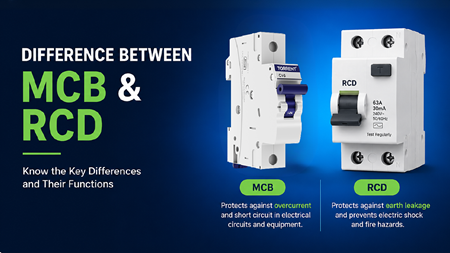
- Residual Current Circuit Breaker (RCCB)/Residual Current Device (RCD): Detects leakage currents and provides shock protection.
- Circuit Breaker: Protects wiring and equipment from damage.
Properly selected protection devices improve overall electrical safety.
Common Myths About Short Circuits
Misunderstandings about electrical faults can sometimes lead to unsafe assumptions. The following myths are among the most common.
- Myth: Short circuits happen only in old wiring.
- Reality: New installations can also develop faults.
- Myth: A tripping breaker can be ignored.
- Reality: Repeated tripping often signals an underlying problem.
- Myth: Sparks from outlets are normal.
- Reality: Sparking should always be investigated.
- Myth: Only large buildings experience electrical faults.
- Reality: Homes and small offices can also develop short circuits.
Conclusion
Understanding how short circuits develop, recognising their warning signs, and taking appropriate action can help improve electrical safety and reduce the risk of equipment damage. Whether the solution involves a simple appliance replacement or a more complex short circuit fix, prompt attention to electrical faults is essential. Regular inspections, properly maintained wiring, and professional assistance when required all contribute to safer and more reliable electrical systems.