





















Introduction to Miniature Circuit Breaker (MCB)
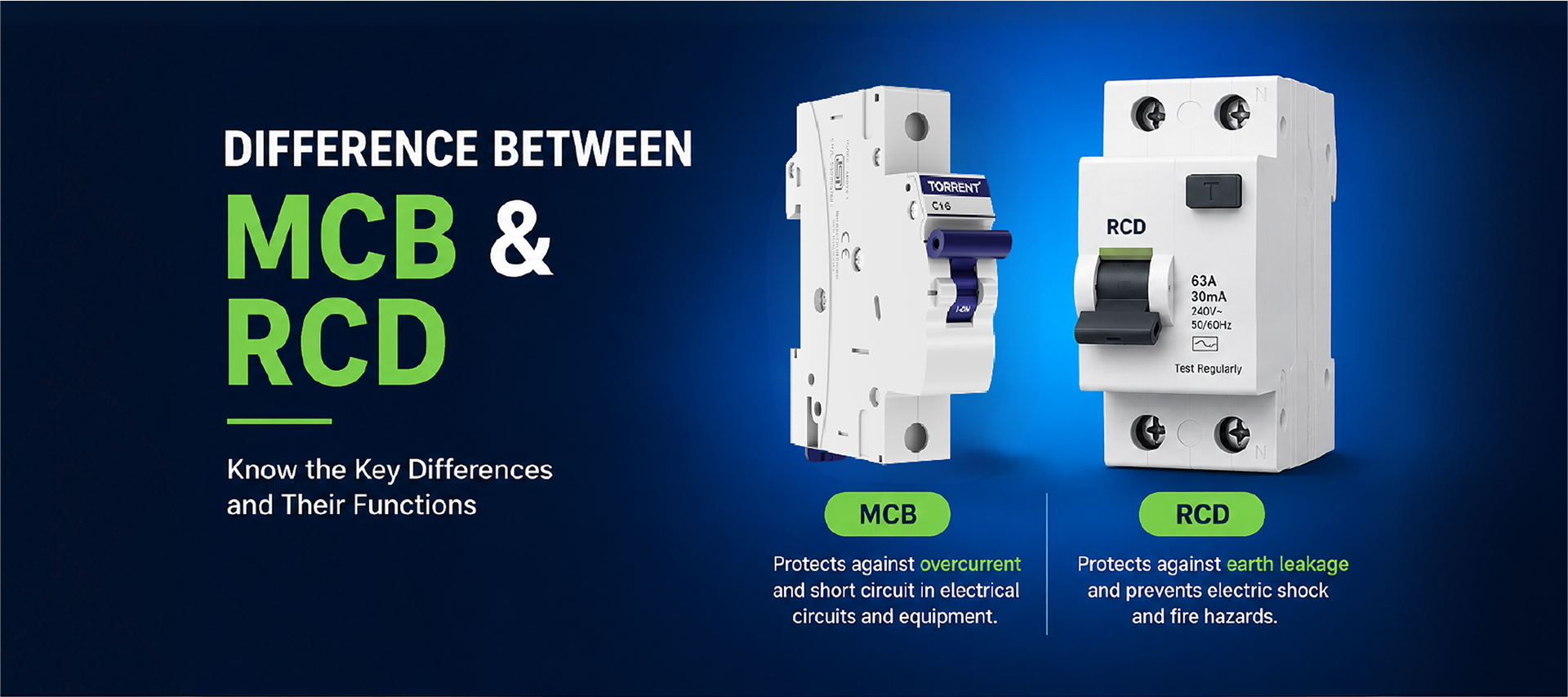
MCBs and RCDs are both important electrical safety devices, but they serve different purposes. An MCB helps protect circuits and equipment from excessive current, while an RCD is designed to reduce the hazard of electric shock by detecting leakage currents. Understanding how each device works can help in selecting suitable protection for different electrical applications.
What is a Miniature Circuit Breaker (MCB)?
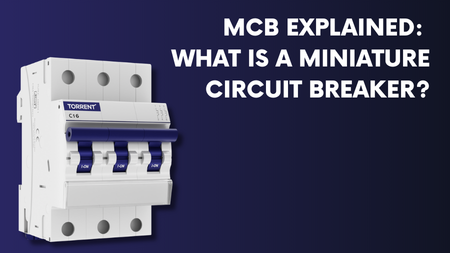
A Miniature Circuit Breaker, commonly known as an MCB, is a safety device designed to interrupt power flow during abnormal current conditions. Its primary purpose is to disconnect the power supply when abnormal current conditions could damage wiring, equipment, or connected devices.
The working mechanism of a Miniature Circuit Breaker relies on detecting excess current passing through the circuit. If the current surpasses the rated limit, the breaker trips automatically and disconnects the circuit. Because of their reliability and ease of operation, MCBs are widely utilised in residential, commercial and industrial electrical systems. They are usually placed in the main electrical panels to protect lights, appliances, and other electrical devices.
What is a Residual Current Device (RCD)?
A Residual Current Device, or RCD, is an electrical safety device developed to protect individuals from electric shocks caused by leakage currents. The RCD function involves monitoring the current flowing through the live and neutral wires. Under ordinary conditions, the incoming and outgoing currents remain balanced. However, if leakage occurs through a person, damaged insulation or an earth fault, the RCD detects the imbalance and disconnects the circuit.
RCDs provide an additional layer of protection by quickly disconnecting the circuit when leakage currents are detected. Unlike an MCB, its primary purpose is not to protect against overloads or short circuits but to reduce the risk of electric shock. RCDs are often used in residential, commercial and high-risk environments for additional protection against electric shocks.
Key Differences Between MCB and RCD
Although both devices contribute to electrical safety, they respond to different types of faults. Understanding these distinctions can help determine why both are often installed within the same electrical system.
| Feature | MCB | RCD |
|---|---|---|
| Main Purpose | Protection against overload and short circuit | Protection against electric shocks and earth leakage |
| Fault Detection | Overcurrent and short circuit faults | Current leakage and earth fault conditions |
| Working Principle | Trips during excessive current flow | Trips when live and neutral current become unbalanced |
| Human Shock Protection | Limited | Strong protection against electric shocks |
| Installation Use | Circuit overload protection | Electrical safety and leakage protection |
| Common Application | Distribution boards, appliances, lighting circuits | Wet areas, residential circuits, sensitive installations |
The comparison shows that MCBs and RCDs perform different protective functions. Since each device addresses a specific electrical risk, they are often used together to provide more comprehensive circuit protection.
MCB vs RCD for Home Use
The choice between an MCB and an RCD depends on the type of protection required within the installation.
An MCB is usually used to protect circuits that power lights, fans, kitchen appliances, and electronic devices. This helps protect wiring and connected equipment from damage caused by electrical faults.
An RCD adds another level of protection by disconnecting the supply when leakage currents are detected, helping reduce the risk of electric shock.
Common household applications include:
- MCBs for lighting circuits and appliance protection
- RCDs for bathrooms, kitchens, outdoor circuits, and wet environments
- Combined usage for enhanced residential electrical safety
Installation and Wiring Differences
An MCB is installed within the circuit path so that it can interrupt the power supply whenever an overload or short circuit occurs. An RCD operates differently because it continuously scans the balance between the live and neutral conductors. Any imbalance between these conductors may indicate leakage current, prompting the device to disconnect the circuit.
In a complete circuit protection setup, electrical panels may include MCBs, RCDs, busbars, and related protective components working together to support system safety. Installation practices may vary depending on electrical design requirements and applicable wiring standards.
When to Use MCB and RCD
The selection of an MCB, an RCD, or a combination of both depends on the specific risks present within the electrical installation.
Use an MCB in the following cases:
- Protection against overload and short circuit conditions
- Electrical equipment and circuits needing overcurrent protection
- Distribution board circuits needing controlled power interruption
Use an RCD:
- For protection against electric shocks
- When earth leakage or earth fault risks are present
- For additional electrical safety in homes, offices or sensitive environments
Conclusion
MCBs and RCDs perform different but complementary roles in electrical safety. While MCBs help protect circuits and equipment from overloads and short circuits, RCDs are designed to reduce the hazard of electric shock caused by leakage currents. Using the appropriate device, or a combination of both where required, can contribute to a safer and more reliable electrical installation.