

















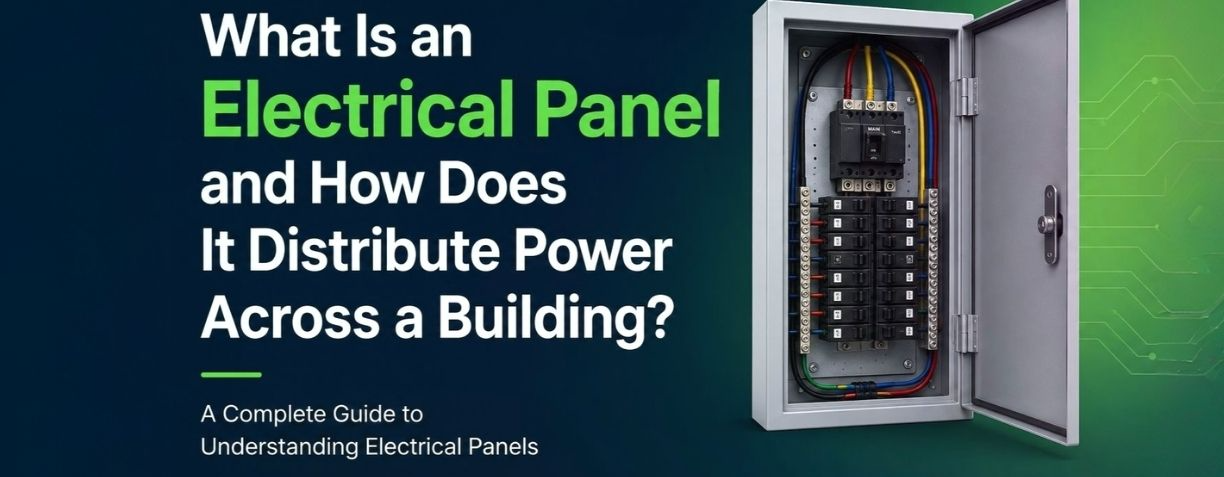
What is an Electrical Panel?
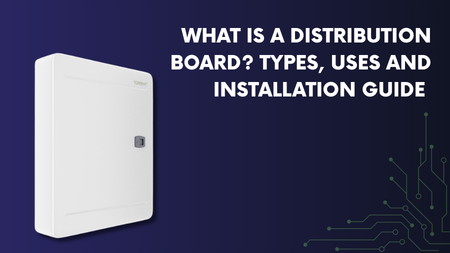
An electrical panel is the control centre of an electrical system. In simple terms, the electrical panel meaning can be understood as an enclosure that receives incoming power from the main supply or utility meter and distributes it to multiple circuit lines within a building. It includes circuit breakers, switches, busbars and other key electrical components arranged in a structured layout. Together, the system regulates the flow of electricity to different areas without overloading.
Why is an Electrical Panel Important in a Building?
The importance of the electrical panel is evident in how it supports the overall functioning of an electrical system.
- Controlled Power Distribution
The electricity flows from the electrical panel to multiple areas as required.
- Efficient Load Management
The electrical load is considered based on usage, which prevents strain and the circuit breakers cut off the power supply in case of overload.
- Safe Enclosure for Wires
All the live wire connections are covered within a metal panel box, which reduces exposure to external damage and accidental contact.
- Room for Expansion
A well-designed electrical panel with spare breaker and sub-panel slots allows easy additions as power requirements grow over time.
- Shock Protection
With circuit breakers and earthing connections, an electrical panel helps in quickly disconnecting power and isolating affected circuits during leakage or short circuits.
- Versatile Functioning
Modern electrical panels can accommodate solar, EV chargers and backup power for varied needs.
Main Components of an Electrical Panel
Each component plays a specific role in the electrical panel. The main elements include:
| Component | Function |
|---|---|
| Main Breaker | Controls the total power supply and shuts off entire system when required |
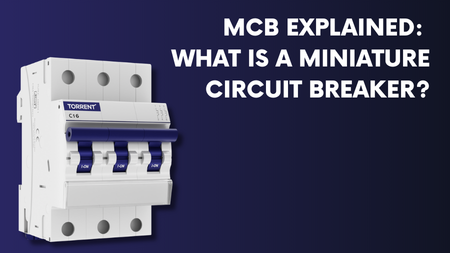
| Circuit Breakers | Protect individual circuits by interrupting current during overloads and short circuits |
| Busbars | Metallic strips that distribute electricity from the main supply to different circuits |
| Neutral Bus | Provides a safe return path for electricity |
| Ground Bus | Provides a path for fault current to safely dissipate into the ground |
| Enclosure | A panel box housing all components of the electrical panel |
| Indicators | Show voltage, current, frequency, and other parameters for easy monitoring |
| Contactors | Electrically controlled switches used to manage high-voltage loads |
| Relays | Electromechanical switching devices that trigger protective actions when faults or abnormal conditions are detected |
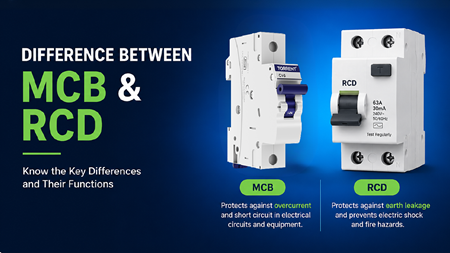
| Residual Current Devices (RCDs) | Disconnect power when current leakage is detected, preventing electric shocks |
How Does an Electrical Panel Distribute Power Across a Building?
The working process of an electrical panel is structured. Here’s how it distributes power throughout a building:
- Step 1: Receives Grid Electricity Power from the main supply line enters the meter, forming the starting point of distribution.
- Step 2: Main Breaker Regulates Supply The electrical panel routes electricity through the main breaker, which controls the total power flow.
- Step 3: Distribution Through Busbars Busbars divide and carry power to different circuits within the panel.
- Step 4: Protection During Faults Circuit breakers clipping onto the bus bars trip and stop power flow in case of overload, short circuit or ground fault.
- Step 5: Current Returns to the System After electricity is used by connected loads, it flows back through a neutral wire, completing the circuit.
- Step 6: Monitoring and Control Electrical panels also include switches, indicators, measuring devices, etc., to allow monitoring and manual control when needed.
Types of Electrical Panels Used in Buildings
Different types of electrical panels are used based on the load, control needs and application areas such as residential, commercial and industrial buildings. The main categories include:
| Type | Meaning |
|---|---|
| Main Breaker Panel | An electrical panel with a built-in main breaker to control and shut off power supply. |
| Main Lug Panel | An electrical panel without a main breaker that connects to downstream (lug) from another panel. |
| Sub-Panels | A secondary electrical panel used to extend power distribution to different sections. |
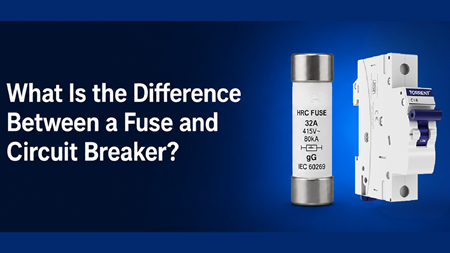
| Fuse Box | Typically found in older buildings, a fuse box uses fuses instead of circuit breakers for protection. |
| Automatic Mains Failure (AMF) Panel | It automatically switches to backup power as the main supply fails. |
| Motor Control Centre (MCC) Panel | A MCC panel is designed to control and protect motors in industrial applications. |
| Power Control Centre (PCC) Panel | A PCC panel helps manage high-capacity power distribution. |
| Automatic Power Factor Control (APFC) Panel | An APFC panel optimises power usage by reducing energy losses in the system. |
Where are Electrical Panels Used?
Electrical panels are seen across a wide range of setups, such as:
- Residential Buildings: Individual homes and apartment complexes
- Commercial Buildings: Offices, malls, hospitals, banks
- Manufacturing Units: Factories and production facilities
- Infrastructure Systems: Airports, metro stations, and data centres
- Renewable energy setups: Solar and other alternative power sources
Electrical Panel for Residential vs Commercial Buildings
In residential buildings, an electrical panel is typically designed to handle predictable loads from lighting, appliances and low-to-moderate voltage devices. It is compact in size and focuses on simple maintenance and safety.
In commercial buildings, an electrical panel is comparatively advanced as it is meant to manage higher and more variable loads. It works across multiple systems like elevators, backup power, high-volume data, and HVAC (Heating, Ventilation, and Air Conditioning). They require a higher layer of control, scalability, monitoring, and support for continuous operations.
Signs An Electrical Panel May Need Repair or Replacement
An electrical panel may show signs of wear or inefficiency over time. Spotting these signs early can help avoid larger issues:
- Frequent tripping
- Burning smell or heat
- No space to accommodate new circuits
- Visible wear, rust or damage
- Flickering or dimming lights
- Outdated fuse-based setup
- Sparks around wires or breakers
Conclusion
An electrical panel supports how reliably electricity flows in a building. It impacts safety and long-term performance. As electrical needs involve in residential, commercial, or industrial setups, selecting the right electrical panel makes all the difference. Consider your building’s size, electrical load, plans, specific functioning requirements and budget to make the right choice.