

















Introduction
The common types of switchgear used in electrical systems include low-, medium-, and high-voltage switchgear, as well as air-insulated and gas-insulated designs. These devices are important for controlling, protecting, and separating electrical circuits during normal use and when problems occur.
Knowing the types of switchgear used in electrical systems helps improve safety, protect equipment, and ensure reliable power distribution. Today, various types of switchgear are commonly used in homes, businesses, and factories, depending on voltage, power needs, and how they are used.
What Is Electrical Switchgear?
Electrical switchgear is a set of devices that are used to control, protect, and isolate electrical equipment and circuits. It includes switches, circuit breakers, fuses, relays, and protective components that work together to make the system safer and more reliable.
It is often installed in homes, office buildings, factories, commercial complexes, substations, and industrial sites. Whether for a small electrical panel or a large power system, it helps keep operations safe and manage electricity efficiently.
Why Is Switchgear Important in Electrical Systems?
The main job of switchgear is to protect electrical systems, control circuits, and separate problems when they happen. Without switchgear, electrical systems could get damaged, cause fires, or lose power during unusual situations.
Switchgear supports power distribution safety by:
- Providing electrical protection against overloads and short circuits
- Supporting circuit control during maintenance and operation
- Detecting and isolating faulty sections of the system
- Protecting electrical equipment from damage
- Improving operational reliability and system safety
- Helping maintain continuity of power supply
How Does Switchgear Work?
Understanding the working of a switchgear helps explain its importance in electrical systems. During normal use, it lets electrical current flow safely through the system while controlling the connected circuits and devices.
When a fault or overload occurs, protective devices within the switchgear detect abnormal conditions. The system then stops the current, cutting off the affected part before significant damage occurs. This process helps protect equipment, wiring, and connected loads.
Switchgear also performs circuit isolation, allowing specific sections of an electrical system to be safely disconnected for maintenance or inspection. In addition, it supports electrical load control by regulating power distribution and ensuring circuits operate within their intended limits. These functions make switchgear valuable for homeowners, electricians, facility managers, and commercial property owners alike.
Main Functions of Switchgear
The key switchgear functions include:
- Control electrical circuits during normal operation
- Protect electrical gear from overloads and short circuits
- Isolate faulty circuits for maintenance and repairs
- Prevent electrical damage caused by abnormal current flow
- Support safe switching operations
- Improve system reliability and operational continuity
- Assist in fault detection and fault clearance
- Protect installations from voltage fluctuations and electrical disturbances
- Improve electrical safety in residential, commercial, and industrial environments
- Support efficient power distribution management
Common Types of Switchgear Used in Electrical Systems
There are various types available, each designed for specific applications and voltage levels. They can be classified according to voltage rating, insulation medium, installation arrangement, and operating function.
The most common types of switchgear used in electrical systems are low-voltage, medium-voltage, and high-voltage switchgear. Other types include air-insulated, gas-insulated, and hybrid switchgear. The best choice depends on the electrical load, safety goals, installation setup, and local rules.
Low-Voltage Switchgear
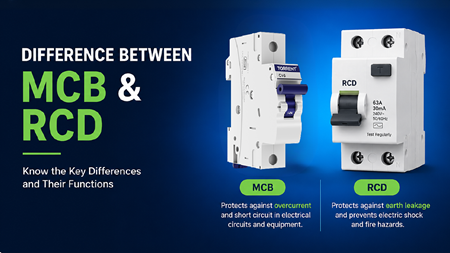
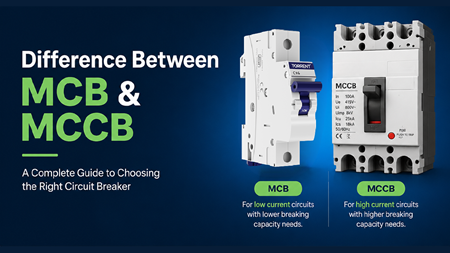
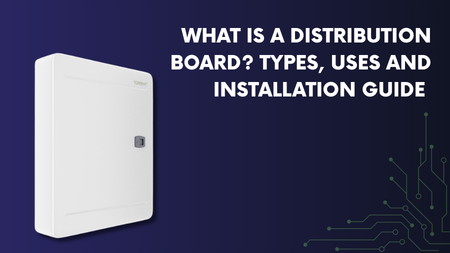
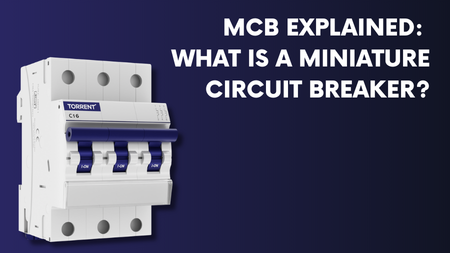
Low-voltage switchgear is typically used in residential buildings, offices, retail spaces, and commercial facilities. It protects circuits operating at lower voltage levels and commonly includes circuit breakers, MCBs, MCCBs, and protective relays.
Medium-Voltage Switchgear
Medium-voltage switchgear is commonly installed in industrial facilities, utility networks, and large commercial buildings. It provides protection and control for medium-voltage power distribution systems.
High-Voltage Switchgear
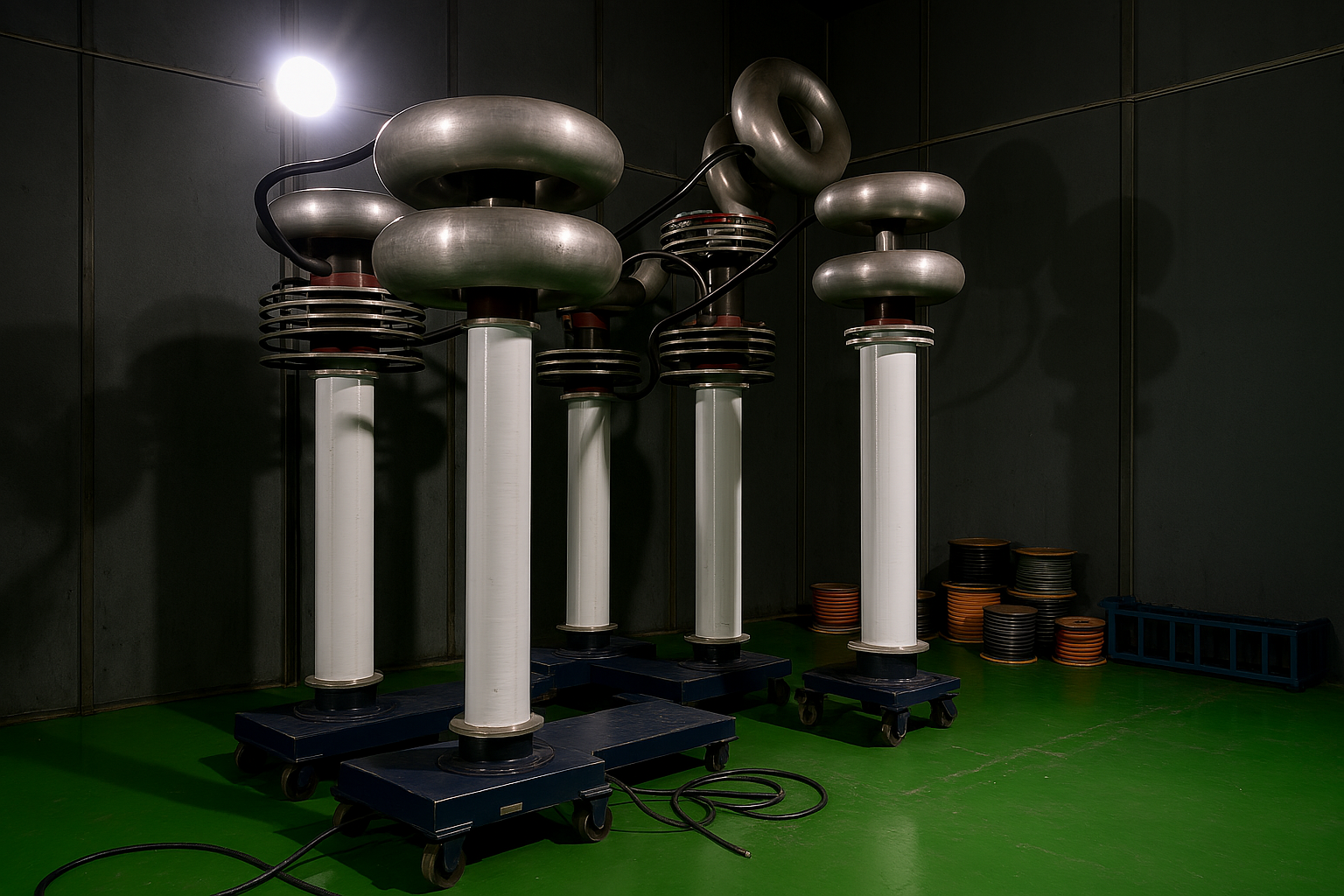
High-voltage switchgear is used in substations and large power transmission systems. It handles high electrical loads and supports safe operation of critical infrastructure.
Air-Insulated Switchgear (AIS)
Air-insulated switchgear uses air as the primary insulation medium. It is widely used because of its simple design, ease of maintenance, and cost-effectiveness.
Gas-Insulated Switchgear (GIS)
Gas-insulated switchgear uses insulating gas to provide compact and highly reliable protection. GIS installations are often selected where space is limited.
Hybrid Switchgear
Hybrid switchgear combines features of both AIS and GIS systems, providing a balance between compact design and operational flexibility.
Key Features of Good Switchgear
Important features of switchgear include:
- Reliable switchgear performance under normal and fault conditions
- Effective fault protection capabilities
- Safe isolation for maintenance activities
- High operational reliability
- Durable construction for long service life
- Compliance with applicable safety standards
- Easy maintenance and inspection access
- Resistance to environmental conditions
- Suitable performance in Indian weather conditions
- Availability of maintenance and technical support
These characteristics help ensure safe and dependable electrical operation.
Things to Keep in Mind When Selecting Switchgear
When selecting switchgear, several factors should be carefully evaluated:
- Determine the required voltage level
- Assess load rating and current carrying requirements
- Consider installation type and application environment
- Verify compliance with applicable safety standards
- Evaluate fault current levels
- Review available protection features
- Consider maintenance requirements
- Assess available installation space
- Evaluate environmental conditions such as dust, humidity, and temperature
- Consider future expansion requirements
- Verify product certifications and quality standards
- Review operational reliability requirements
Proper selection helps improve electrical safety, reduce maintenance issues, and support long-term performance. When choosing switchgear, it is important to consider electrical standards, application requirements, installation conditions, and future system growth.
Conclusion
Knowing the common types of switchgear used in electrical systems helps improve electrical protection, reliable operation, and overall safety. The different types are made to meet specific needs. Choosing the right one should always depend on load needs, voltage level, where it will be installed, safety requirements, environmental conditions, and local rules.