



















Introduction
MCBs and RCDs play an important role in protecting electrical circuits from faults and electrical hazards. Whether you need to replace MCB components after repeated tripping or replace RCD devices that fail testing, understanding the process and associated safety precautions is important.
What Are MCBs in a Distribution Board?
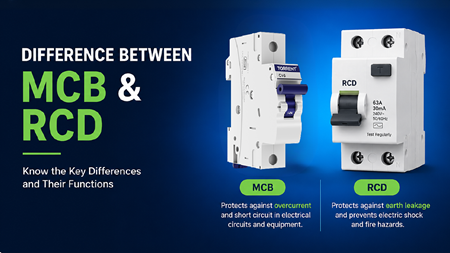
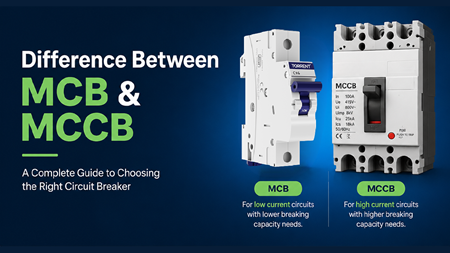
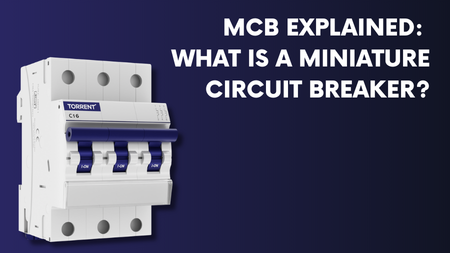
An MCB (Miniature Circuit Breaker) is a protective device that automatically disconnects power when an overload or short circuit occurs. An RCD (Residual Current Device) is designed to detect leakage currents and reduce the risk of electric shock. While they serve different purposes, both devices contribute to a safer electrical installation by helping detect and respond to potentially dangerous fault conditions.
Although they perform different functions, MCBs and RCDs work together to improve electrical safety within a distribution board. These circuit protection devices are commonly installed in Indian residential, commercial, and industrial electrical systems to help prevent equipment damage and electrical hazards.
When Should You Replace a Broken MCB?
Although MCBs and RCDs are designed for long service life, factors such as repeated fault conditions, ageing components, and environmental influences can eventually affect their performance. The following signs may indicate that replacement is necessary:
- MCB tripping frequently without a clear overload condition
- Persistent burning smell near the distribution board
- Visible cracks, discoloration, or physical damage
- Loose terminals or damaged connections
- Signs of overheating around the breaker
- Failure to reset properly after tripping
- Ageing electrical panels with worn protection devices
- Repeated electrical faults affecting the same circuit
- Broken RCD signs such as failure of the test button or repeated nuisance tripping
- Evidence of a faulty circuit breaker causing unreliable circuit protection
Safety Precautions and Tools Required for MCB or RCD Replacement
Working inside a distribution board involves potential electrical hazards. Before beginning any replacement work, ensure the following safety measures are in place:
- Turn off the main power supply completely
- Confirm the circuit is isolated before touching any wiring
- Verify there is no live voltage using approved testing equipment
- Wear appropriate protective equipment
- Use insulated tools only
- Keep hands and work areas dry
- Ensure adequate lighting around the distribution board
- Do not work alone when handling electrical systems
- Follow all applicable electrical safety precautions
- Seek professional assistance if unsure about any step
Having the correct equipment is equally important for safe and effective replacement work. The following tools are commonly required:
- Insulated screwdriver
- Voltage tester
- Multimeter
- Replacement MCB
- Replacement RCD
- Protective gloves
- Flashlight or inspection light
The replacement device should match the circuit rating, load requirements, and applicable wiring standards.
While some basic inspection tasks may seem simple, working inside a distribution board requires technical knowledge of circuit protection devices, wiring arrangements, and electrical safety procedures. If there is any uncertainty regarding fault diagnosis, device ratings, wiring connections, or testing requirements, professional assistance should always be sought. Qualified electricians have the expertise and equipment needed to perform miniature circuit breaker replacement or RCD replacement safely and correctly.
Safety Note: Distribution board work should be carried out by a qualified and experienced electrician in accordance with local electrical safety regulations. A professional electrician can help ensure safe installation, proper fault diagnosis, and compliance with applicable electrical standards.
How to Replace an MCB or RCD
Before replacing any protective device, ensure the distribution board has been safely isolated and verified as de-energised.
- Step 1: Isolate the Power Supply
Switch off the main power supply feeding the distribution board.
- Step 2: Verify Isolation
Use a voltage tester to confirm that no live voltage is present.
- Step 3: Remove the Distribution Board Cover
Carefully remove the front cover to access internal components.
- Step 4: Disconnect Wiring
Loosen terminal screws and disconnect conductors connected to the faulty device.
- Step 5: Remove the Existing Device
Release the breaker or RCD from the DIN rail according to the manufacturer's instructions.
- Step 6: Position the New Device
Fit the replacement device securely onto the DIN rail.
- Step 7: Reconnect Conductors
Reconnect wires to the appropriate terminals according to the wiring arrangement.
- Step 8: Tighten Terminal Connections
Ensure all terminal screws are tightened securely.
- Step 9: Verify Ratings and Compatibility
Check device ratings, load capacity, and compatibility with the distribution board.
- Step 10: Reinstall the Board Cover
Replace the cover carefully before energising the circuit.
- Step 11: Inspect the Installation
Confirm that all terminals are secure, conductor connections are correctly positioned, and the installed device matches the circuit's requirements.
- Step 12: Prepare for Testing
Perform a final visual inspection before restoring power and proceeding with testing.
How to Test the New MCB or RCD After Replacement
Post-installation testing helps confirm that the protection device is functioning correctly and that the circuit remains stable under normal operating conditions.
- Restore power gradually
- Check whether the circuit operates normally
- Verify connected equipment functions correctly
- Observe the breaker for abnormal heating or noise
- Perform circuit breaker testing under normal operating conditions
- Press the RCD test button to confirm proper RCD operation
- Monitor the circuit for unexpected tripping
If an RCD fails its test or the circuit trips repeatedly, professional inspection is recommended.
Common Mistakes to Avoid During MCB or RCD Replacement
Even small installation errors can affect the performance of a protection device. Some of the most common mistakes include:
- Using the wrong amp rating
- Selecting incompatible replacement devices
- Loose wiring connections
- Incorrect connection of conductors
- Failure to isolate power completely
- Skipping voltage verification
- Using low-quality electrical devices
- Ignoring signs of deeper electrical faults
- Overtightening or under tightening terminal screws
These issues can reduce the effectiveness of circuit protection and may increase the likelihood of future electrical faults.
When Should You Call a Professional Electrician?
While some faults may appear straightforward, the underlying cause is not always immediately visible and may require specialist testing equipment to identify.
Contact a professional electrician for MCB replacement when:
- Breakers trip repeatedly after replacement
- There is a burning smell from the panel
- Sparks are visible
- Wiring appears damaged
- The electrical panel contains older wiring systems
- Commercial or industrial distribution boards are involved
- The correct device rating is uncertain
- An electrical panel fault cannot be identified
Professional expertise helps ensure safe and compliant distribution board repair.
Conclusion
MCBs and RCDs are essential components of a safe electrical system, helping to protect circuits against overloads, short circuits, and leakage faults. Recognising the signs of a faulty device and ensuring that replacements are correctly selected, installed, and tested can help maintain long-term system reliability. Where there is any uncertainty regarding fault diagnosis or installation requirements, professional electrical assistance is recommended.