




















Introduction
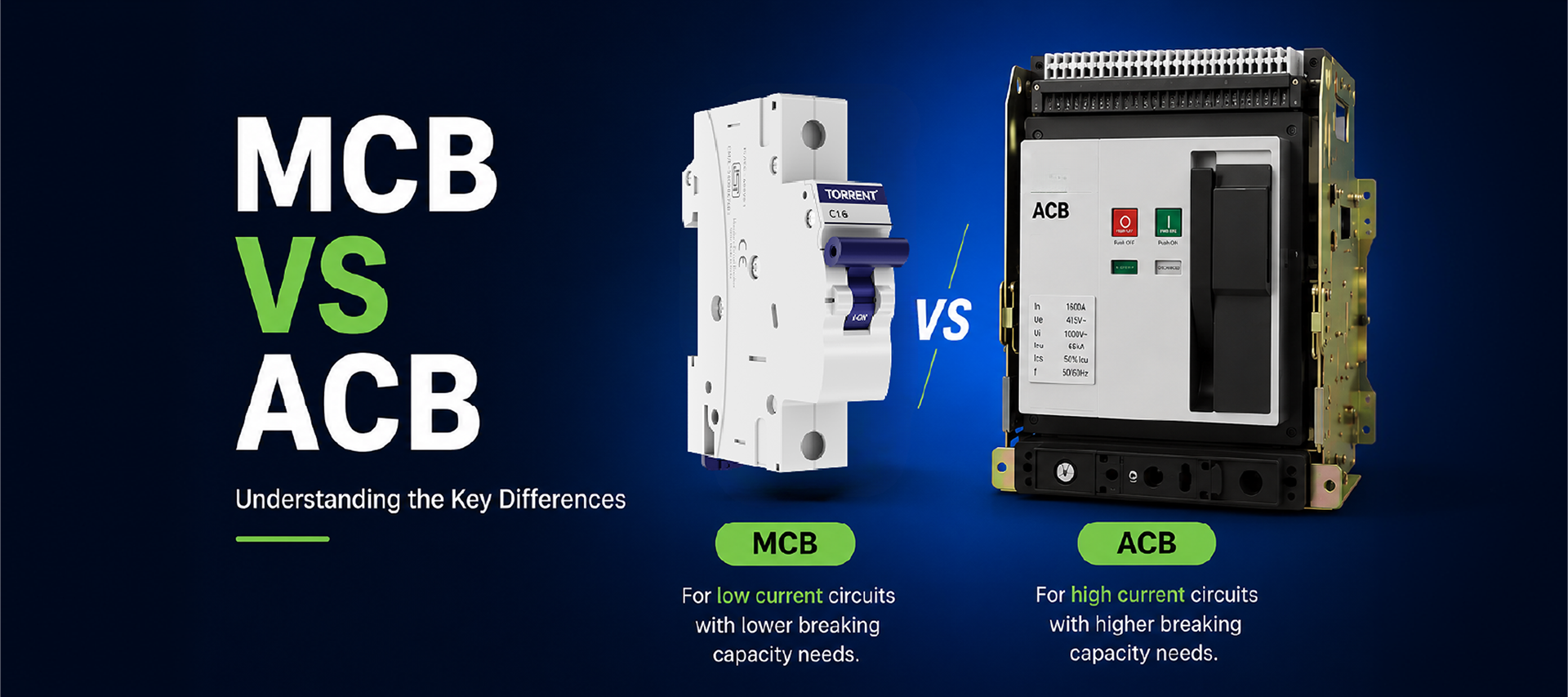
In an MCB vs ACB comparison, the main difference lies in their current handling capacity and application range. The Air Circuit Breaker vs Miniature Circuit Breaker comparison typically involves residential and commercial circuit protection versus industrial electrical protection.
What is a Miniature Circuit Breaker (MCB)?
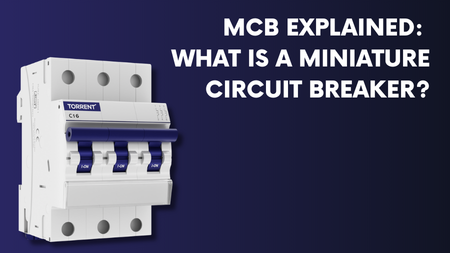
A Miniature Circuit Breaker, or MCB, is a safety device designed to protect electrical circuits from overload and short circuit conditions. The primary Miniature Circuit Breaker function is to automatically disconnect the circuit when current exceeds safe operating levels.
MCB working relies on thermal and magnetic tripping mechanisms that respond to abnormal current flow. When an overload or short circuit occurs, the device trips and interrupts the electrical circuit.
MCBs are widely used in homes, offices, and commercial wiring because they support MCB electrical safety and help prevent electrical hazards. In an ACB vs. MCB comparison, MCBs are generally associated with lower current ratings and compact installations.
What is an Air Circuit Breaker (ACB)?
An Air Circuit Breaker, or ACB, is a circuit protection device that uses air as the medium for extinguishing electrical arcs during interruption. The main function of an Air Circuit Breaker is to protect electrical systems from overload, short circuit, and fault conditions in high-capacity installations.
The workings of ACB involve detecting abnormal electrical conditions and disconnecting the circuit using a controlled opening mechanism. Because of their higher interrupting capacity, ACBs are commonly used in industrial plants, large commercial facilities, and power distribution systems.
In an MCB vs ACB discussion, ACBs are typically selected where high current loads and industrial electrical protection are required.
How Does an Air Circuit Breaker Work?
The working of Air Circuit Breaker systems begins when the breaker senses an overload or fault condition. The contacts separate, creating an electrical arc. The ACB then uses air pressure and arc control methods to cool and extinguish the arc before safely disconnecting the circuit.
Understanding ACB operation and the Air Circuit Breaker Vs Miniature Circuit Breaker distinction is important because the operating principle differs from the compact tripping mechanism used in MCBs.
Key Components of an Air Circuit Breaker
| Component | Function |
|---|---|
| Contacts | Carry and interrupt electrical current |
| Arc Chute | Controls and extinguishes electrical arcs |
| Operating Mechanism | Opens and closes breaker contacts |
| Trip Unit | Detects overload and fault conditions |
| Frame | Supports internal components |
These ACB parts work together to deliver industrial electrical protection.
Applications of Air Circuit Breakers
Common ACB applications include:
- Industrial power distribution systems
- Manufacturing facilities and factories
- Commercial buildings with heavy electrical loads
- Generator and transformer protection
ACBs are selected for high-capacity electrical systems, while MCBs are generally used for smaller electrical networks.
Difference Between MCB and ACB
Understanding MCB vs ACB differences helps in selecting the right circuit protection device.
| Feature | MCB | ACB |
|---|---|---|
| Current Capacity | Lower | Higher |
| Application | Residential & commercial | Industrial & power systems |
| Arc Medium | Internal tripping mechanism | Air |
| Size | Compact | Larger |
| Fault Handling | Moderate electrical loads | Heavy electrical loads |
MCBs focus on everyday electrical safety, whereas ACBs are designed for high-capacity industrial protection.
The choice of MCB vs ACB depends on electrical load, installation scale, and protection requirements.
When to Use MCB and ACB
Use an MCB for:
- Residential or commercial circuits protection
- Lower current applications
- Compact electrical protection devices
Use an ACB for:
- Industrial systems requiring high interrupting capacity
- Heavy electrical equipment and distribution systems
- Advanced fault protection
Conclusion
The Air Circuit Breaker vs Miniature Circuit Breaker comparison shows that MCBs typically suit lower-capacity electrical systems, while ACBs are designed for demanding industrial circuit protection.