



















Introduction
Electrical systems rely on protective devices to prevent damage caused by overloads and short circuits. Both fuses and circuit breakers perform this function, but they operate differently and have various advantages. Understanding their characteristics can help in selecting suitable protection for residential, commercial, and industrial electrical facilities.
What is a Fuse?
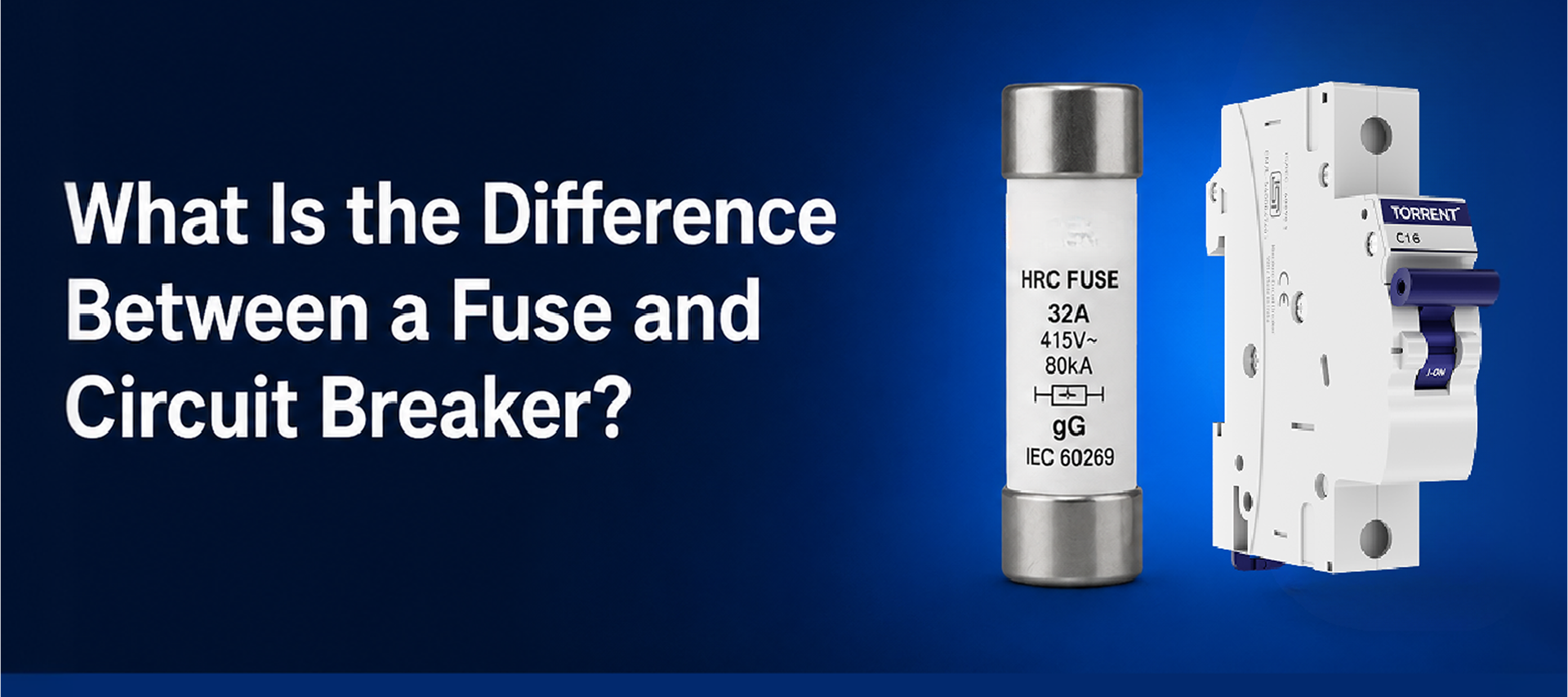
An electrical fuse is an electrical device that protects circuits from excessive current. It has a thin metal part that melts if the current gets too high. This breaks the circuit and stops damage to the connected devices.
The fuse working principle is based on the heating effect of electric current. Under normal operating conditions, the fuse lets current flow uninterrupted through the circuit. But if there is too much current from overloads or short circuits, the heat melts the fuse wire, breaking the circuit and stopping the electricity.
What is a Circuit Breaker?
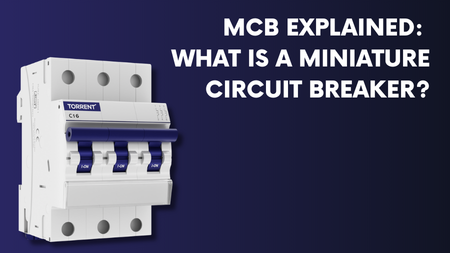
A circuit breaker refers to an automatic switching device developed to protect electrical circuits from overloads, short circuits, and other electrical faults. The circuit breaker definition refers to a reusable protective device that detects abnormal current conditions and interrupts the electrical supply when necessary.
The working of circuit breaker involves internal mechanisms that respond to fault conditions. When an intense current flows through the circuit, the breaker trips and disconnects the power supply. Unlike a fuse, a circuit breaker can typically be reset after the fault has been identified and resolved, eliminating the need for component replacement after every operation.
Key Differences Between a Fuse and a Circuit Breaker
Understanding the difference between fuse and circuit protection systems helps in selecting the right device for specific applications.
| Feature | Fuse | Circuit Breaker |
|---|---|---|
| Working Principle | Melts when excessive current flows | Trips automatically during fault conditions |
| Reusability | Must be replaced after operation | Can be reset and reused |
| Cost | Generally lower | Usually higher |
| Maintenance | Requires replacement when blown | Minimal maintenance |
| Switching Capability | Not intended for regular switching | Can function as a switch |
| Response Time | Very fast in many fault conditions | Fast but depends on breaker type |
| Convenience | Requires manual replacement | Easy reset after fault clearance |
| Application | Small appliances and simple circuits | Residential, commercial, and industrial systems |
The fuse vs circuit breaker comparison highlights that each device serves a specific purpose. Fuses provide a simple and cost-effective method of protection, while circuit breakers offer greater convenience through reusability and easier maintenance. The choice is dependent on factors like system requirements, operating conditions, and maintenance preferences.
When to Use a Fuse or Circuit Breaker
Picking between a fuse and a circuit breaker depends on how it will be used, what kind of protection is needed, and how easy it is to maintain. Knowing when to use fuses and when to use circuit breakers can help make electrical systems safer and more reliable.
A fuse may be suitable when:
- Cost-effective protection is required
- Simple electrical systems are involved
- Fast fault response is important
- Replacement access is convenient
A circuit breaker may be suitable when:
- Frequent operation and resetting are expected
- Downtime needs to be minimized
- Electrical systems require easy maintenance
- Commercial or industrial installations are involved
When selecting a protective device, factors such as electrical load, installation environment, maintenance requirements, and safety objectives should be considered. Both fuses and circuit breakers continue to play important roles across residential, commercial, and industrial applications.
Advantages and Limitations of Fuses and Circuit Breakers
Both devices have strengths and limitations that influence their suitability for different electrical systems.
Fuse Advantages
- Cost-effective protection
- Simple and compact design
- Quick response to overloads and short circuits
- Suitable for basic electrical applications
Fuse Limitations
- Must be replaced after every fault condition
- Can lead to longer downtime during maintenance
- Not suitable for applications requiring frequent operation
Circuit Breaker Benefits
- Reusable after tripping
- Easy to reset once the fault is cleared
- Suitable for residential, commercial, and industrial systems
- Provides convenient operation and maintenance
Circuit Breaker Limitations
- Higher initial cost compared to fuses
- Generally larger in size
- May require periodic inspection and testing
Evaluating these advantages and limitations can help determine which protection device is better suited to a particular electrical installation.
Conclusion
The difference between circuit breaker and fuse devices primarily lies in their operating mechanism and reusability. A fuse interrupts the circuit by melting under fault conditions, whereas a circuit breaker trips automatically and can typically be reset once the fault is cleared. Selecting the appropriate protection device depends on the application, maintenance expectations, and overall system requirements, helping support safe and reliable electrical installations.