














Best Electrical Wire for Homes and Industries in 2025: Expert Recommendations
Electricity is the silent force that powers our lives from lighting up homes to running complex industrial machinery. And at the heart of every electrical system lies one of its most critical components: the electrical wire.
In 2025, as the demand for energy efficient and safety compliant systems grows, so does the importance of choosing the best electrical wire for both residential and industrial applications. With hundreds of wire options available in the market, the question remains how do you make the right choice?
This guide simplifies the decision making process, offering expert backed insights on the top types of wires, what features to look for, and what makes certain brands and materials like copper cable the industry standard.
Why Choosing the Right Electrical Wire Matters
Whether you're wiring a new home, upgrading an old building, or setting up an industrial unit, the quality and specifications of the wire you use directly impact:
- Electrical safety
- Energy efficiency
- Durability and maintenance
- Load capacity and performance
An incorrect or low quality wire can lead to overheating, short circuits, frequent breakdowns, and in extreme cases, fire hazards. This is why electricians, builders, and project consultants emphasize the importance of using high grade electrical wire, especially in critical systems.
Key Factors to Consider in 2025
With technology and regulations constantly evolving, here are the key criteria to consider when selecting the best electrical wire this year:
- Conductor Material (Copper or Aluminum)
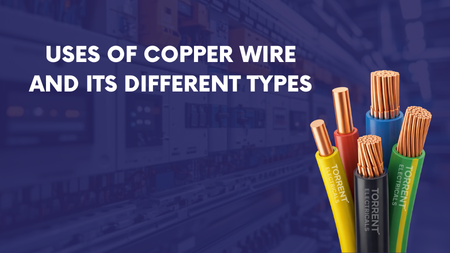
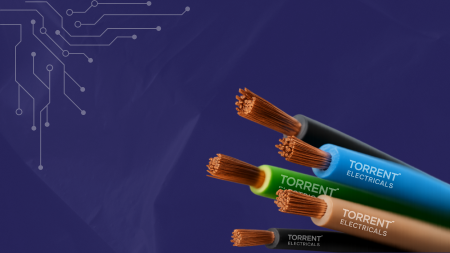
Copper remains the most preferred conductor material for its superior conductivity, flexibility, and resistance to corrosion. Copper cables offer better current flow, reduced losses, and a longer lifespan compared to aluminum.
However, aluminum wires may still be used in large scale power transmission due to their lightweight and cost effective nature. - Wire Insulation (FR, FRLS, HRFR, etc.)
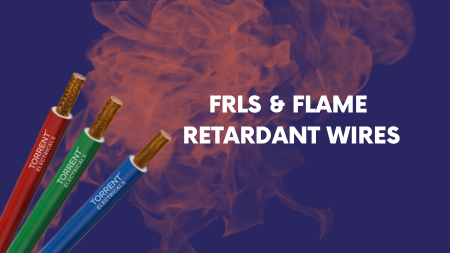
Modern wires come with fire resistant and low smoke insulation types like:- FR (Flame Retardant)
- FRLS (Flame Retardant Low Smoke)
- HRFR (Heat Resistant Flame Retardant)
- Wire Gauge and Load Capacity
Choose the correct wire size (gauge) based on the electrical load requirement of your installation. Undersized wires can overheat, while oversized wires increase cost unnecessarily. - Compliance with Standards
Ensure the wire is ISI marked and complies with national or international standards such as IS 694, IS 1554, or IEC norms. Certified wires undergo rigorous testing for performance and safety.
Best Electrical Wire Types for Homes in 2025
For domestic wiring, flexibility, fire resistance, and durability are key. Here are some recommended wire types for residential projects:
- Singlecore FRLS Copper Wires – Ideal for lighting circuits, plug points, and small appliance connections.
- Multicore Flexible Copper Cables – Suitable for internal wiring where flexibility and easy routing are needed.
- HRFR House Wires – Perfect for high temperature zones like kitchens or areas with concealed wiring.
Make sure to color code your wires correctly (e.g., Red for Phase, Black for Neutral, Green for Earth) as per standard electrical practice.
Best Electrical Wire Types for Industries in 2025
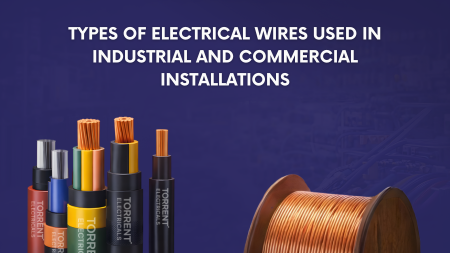
Industrial setups require heavy duty cables that can withstand high current, heat, and mechanical stress. Here are expert recommended wires for commercial and industrial use:
- Aluminium Armoured Cable – For power distribution and outdoor installations requiring added protection.
- XLPE Cables and Wires – Known for excellent thermal stability and high voltage capacity.
- Control and Instrumentation Wires – Used for process control systems, automation lines, and panels.
- Multicore Flexible Cables – Efficient for wiring motors, control panels, and machinery.
Using high-quality copper cables in industrial environments ensures minimal downtime, better voltage regulation, and enhanced equipment protection.
2025 Wiring Trends in India and Globally
As safety and sustainability become more central to construction and infrastructure, here are a few trends shaping the electrical wire landscape:
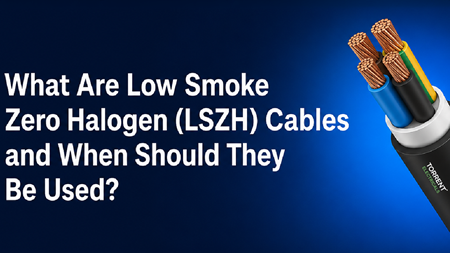
- Increased use of FRLS and LSZH (Low Smoke Zero Halogen) wires
- Preference for environment-friendly and recyclable insulation materials
- Rise in demand for solar cables and smart home-compatible wiring systems
- Greater regulatory compliance and energy audits in industrial zones
Whether you're sourcing for a home or a factory, staying aligned with these trends ensures long-term safety and efficiency.
Copper Cable: The Preferred Choice
Among all conductor materials, copper cable continues to dominate the Indian and global market. Here’s why:
- Better Conductivity – Requires less cross-sectional area than aluminum for the same current load
- Long Lifespan – High resistance to wear, corrosion, and environmental factors
- Ease of Installation – More flexible and easier to bend, even in compact spaces
- Lower Energy Losses – Improves overall system efficiency
In 2025, the market is witnessing higher demand for oxygen-free and high-purity copper cables across both residential and commercial sectors.
Tips for Safe and Smart Wiring
Here are some final tips from industry experts before you buy:
- Always buy from authorized dealers or directly from the wire manufacturing company
- Check for ISI certification and packaging seal
- Use the right connectors and joints to prevent voltage drops
- Hire licensed electricians for installations
- Avoid mixing aluminum and copper in the same circuit to prevent corrosion
These simple precautions can go a long way in ensuring the wire you choose performs optimally over its lifetime.
Conclusion
Choosing the best electrical wire is not just about price or availability it's about ensuring safety, performance, and peace of mind. Whether you're wiring a home, an office, or an industrial site, the wire you choose must meet your load requirements, safety standards, and long-term usage goals.
With 2025 bringing more attention to energy efficiency and fire safety, using high-quality copper cables and ISI-marked wires from reputed manufacturers is more important than ever.