
















Understanding FRLS and Flame Resistant Wires: Are You Using the Safest Option?
When it comes to electrical installations whether in homes, offices, or large scale industrial setups, safety should never be an afterthought. One of the most crucial yet often overlooked elements in an electrical system is the type of wire used.
With rising concerns about electrical fire hazards, modern infrastructure demands wires that do more than just conduct electricity. That’s where FRLS Wire and Flame Resistant Wire come into play. Designed to reduce the risk of fire and toxic smoke, these wires are now considered essential in safe, sustainable electrical projects across India and globally.
But what exactly are FRLS and flame resistant wires? Are they the same? More importantly are you using the safest wire for your project?
Let’s find out.
What Is an FRLS Wire?
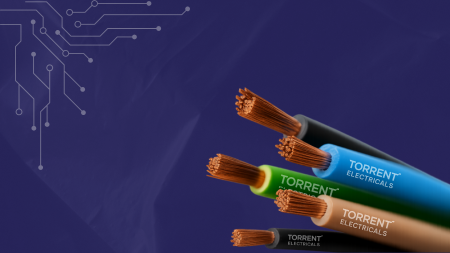
FRLS stands for Flame Retardant Low Smoke. An FRLS wire is a type of electrical wire that has been specially engineered to reduce flame propagation, limit smoke emission, and minimize the release of toxic gases in the event of a fire.
Unlike traditional wires that can catch fire quickly and produce thick, suffocating smoke, FRLS wires slow down the spread of fire and generate low density smoke, allowing more time for evacuation and reducing the risks associated with inhalation.
FRLS wires are particularly important in enclosed or high density spaces such as:
- High rise residential buildings
- Hospitals and clinics
- Educational institutions
- Shopping malls and commercial complexes
- Airports, metro stations, and tunnels
What Are Flame Resistant Wires?
Flame resistant wires are designed to withstand ignition and prevent the spread of fire under high temperature conditions. These wires are insulated using materials that self extinguish once the source of flame is removed.
While both FRLS wires and flame resistant wires aim to improve safety, there are subtle differences. Flame resistant wires focus primarily on resisting ignition and burning, while FRLS wires combine flame resistance with low smoke emission and low toxicity, making them ideal for environments where both fire containment and breathable air are critical.
In practice, most FRLS wires are also flame resistant, offering a combined layer of protection.
Why Fire Resistant Wiring Is Non Negotiable Today
In any electrical system, a short circuit or overload can lead to high heat buildup. Without flame resistant insulation, this can cause wires to ignite and spread fire rapidly especially in concealed spaces like walls, ceilings, and ducts.
Using FRLS or flame resistant wire drastically reduces:
- The risk of fire spread
- The amount of smoke produced, aiding visibility during evacuation
- The release of toxic gases, such as hydrogen chloride (HCl), which can be fatal in enclosed environments
- Damage to expensive equipment, especially in server rooms or industrial plants
Moreover, compliance with safety norms in India and globally now requires the use of fire safe wiring in many types of projects.
Where Should FRLS and Flame Resistant Wires Be Used?
These wires are ideal for any space where fire safety, visibility, and air quality during an emergency are a priority. Common applications include:
- Residential and commercial buildings
- Hospitals and emergency care units
- Schools, universities, and training centers
- Industrial plants and factories
- IT parks, server rooms, and data centers
- Public infrastructure such as metro stations, tunnels, and airports
In all these environments, FRLS wire is not just a safety measure it’s a necessity.
Technical Features to Look for in FRLS Wires
When selecting FRLS or flame resistant wires, here are some important features to consider:
- ISI Certification: Always check for IS 694 compliances, which governs PVC insulated cables in India.
- High Purity Copper Conductor: Ensures superior conductivity and flexibility.
- Insulation Type: Choose FRLS PVC or LSZH (Low Smoke Zero Halogen) for optimal performance.
- Oxygen Index and Temperature Index: Higher values mean better flame resistance. An OI above 29% and TI above 250°C are desirable.
- Low Smoke Density: Complies with IEC or ASTM standards for safer environments.
- Voltage Rating: Suitable for low voltage applications in residential and commercial installations.
FRLS Wire vs. Standard PVC Wire: Key Differences
When deciding between standard PVC wires and FRLS wires, it’s important to understand how they perform in a fire scenario.
- Standard PVC wires offer minimal flame resistance and produce thick, black, toxic smoke. These are acceptable for low risk, well ventilated environments, but not for critical or enclosed areas.
- In contrast, FRLS wires are engineered to resist flame spread and emit low density smoke with significantly lower toxic gas levels. Although they may cost slightly more, the added safety is worth the investment, especially in projects involving human occupancy or sensitive equipment.
In summary, FRLS wires are the safer and smarter choice, particularly in modern infrastructure where human life, valuable data, and electronic assets are at stake.
Do You Need FRLS or Flame Resistant Wires for Your Project?
If your project falls under any of the following, then the answer is yes:
- High rise or densely populated buildings
- Structures with limited escape routes
- Fire prone environments
- Data sensitive or tech heavy installations
- Industrial setups with continuous operation
- Facilities requiring strict fire safety compliance
Whether it’s a home, hospital, factory, or commercial tower choosing the right wire can be the difference between a minor incident and a major disaster.
Benefits of Using FRLS and Flame Resistant Electrical Wires
- Reduces fire related accidents and risks
- Minimizes property and equipment damage
- Allows safer evacuation with better visibility
- Meets fire safety norms and compliance requirements
- Extends wire life through improved insulation durability
- Enhances overall safety for occupants and assets
Conclusion
Electrical safety is about more than just fuses and circuit breakers. It begins with the very foundation of your system, the wires that connect it all. With growing emphasis on fire safety and regulatory compliance, FRLS wires electrical wires have become essential in both residential and commercial infrastructure.
By choosing these advanced wires, you’re not just protecting your project, you’re protecting people’s lives and valuable property.