














Introduction
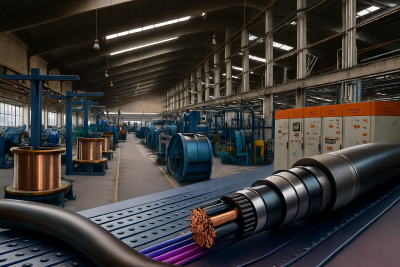
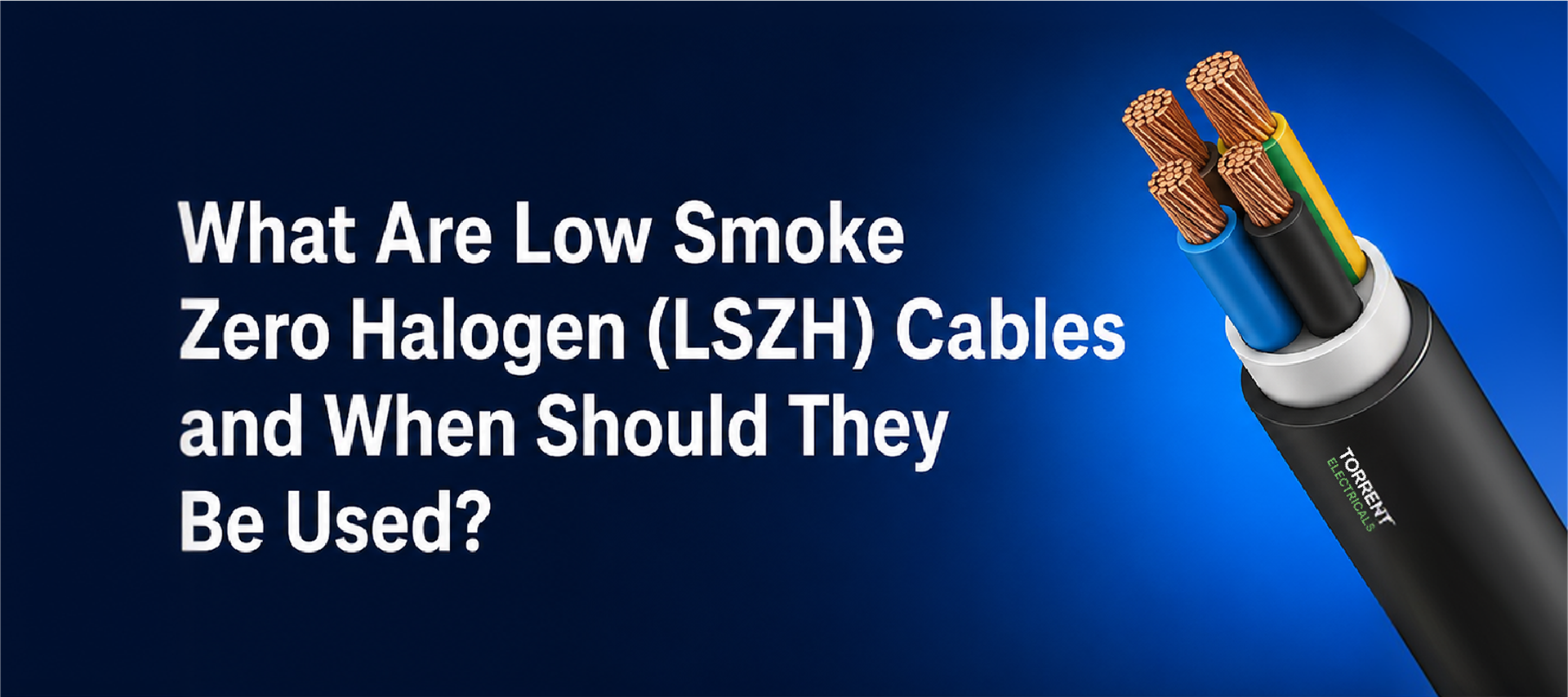
Low Smoke Zero Halogen (LSZH) cables, also referred to as LS0H cables are fire-safe engineered to minimise smoke emission and eliminate toxic halogen gases during combustion. These LSZH cables are widely used in Indian buildings and industrial setups for fire safety, safe evacuation, and infrastructure protection.
What are Low Smoke Zero Halogen (LSZH) Cables?
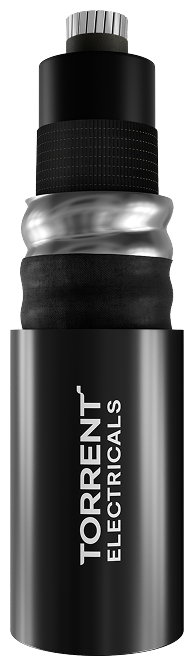
The LSZH cable definition refers to cables manufactured using thermoplastic or thermoset compounds that do not contain halogens such as chlorine, fluorine, bromine, or iodine. Their primary purpose is to minimise smoke generation and prevent the release of corrosive gases that can endanger people and damage equipment during fire incidents. A low smoke cable is specifically designed to improve visibility and reduce toxic inhalation risks in enclosed environments.
LSZH cables are recommended for use in high-occupancy and enclosed environments where evacuation safety is critical. LSZH materials are designed to enhance fire safety by reducing smoke generation and limiting the release of corrosive gases during fire incidents. Their use is recognised in fire safety engineering practices because they can help improve visibility, reduce toxic exposure, and minimise damage to equipment during emergencies.
How Smoke and Fumes Impact Health and Safety
Electrical fires can generate smoke and fumes that affect both occupant safety and equipment protection. When conventional cables containing halogens burn, they may release corrosive gases that can reduce visibility and contribute to infrastructure damage.
- Severe reduction in visibility during evacuation
- Toxic inhalation risks from halogen gases
- Corrosive damage to electronic systems and infrastructure
- Higher safety risk in Indian high-rise buildings or commercial facilities
Key Features of LSZH Cables
The LSZH cable properties are defined by international safety standards and ensure superior performance in fire conditions.
| Feature | Description |
|---|---|
| Low Smoke | LSZH cables are designed to generate significantly less smoke when exposed to fire. Lower smoke density can help maintain visibility, making evacuation and emergency response efforts more effective. |
| Zero Halogen | These cables do not contain halogen compounds such as chlorine, fluorine, bromine, or iodine. As a result, they produce fewer corrosive and toxic gases during combustion, helping to reduce damage to equipment and infrastructure. |
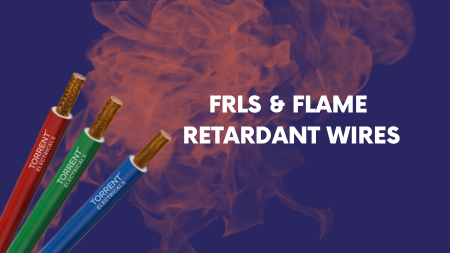
| Flame Retardant | LSZH cables are manufactured to resist the spread of flames along the cable route. This characteristic helps contain fire-related damage and supports overall electrical safety within a building or facility. |
These low smoke cables are manufactured in compliance with standards, ensuring performance consistency and safety reliability.
Applications and Use Cases of LSZH Cables
Selecting the right applications for low smoke zero halogen cables is an important part of electrical safety planning. These cables are commonly used in a wide range of installations because their low-smoke and halogen-free properties can support safer conditions during fire incidents.
- Residential complexes and smart housing projects in India
- Commercial office buildings and IT parks
- Airports, metro systems, and railway infrastructure
- Data centres and mission-critical server environments
- Industrial automation and control systems
The LS0H cable uses are especially important in enclosed spaces where smoke control is essential for safe evacuation.
How to Identify Genuine LSZH Cables
Ensuring an authentic LSZH cable is critical for safety compliance and long-term reliability.
- Check for LSZH/LS0H marking on cable sheath
- Verify IEC or BIS certification compliance
- Purchase only from authorized suppliers
Conclusion
LSZH cables offer a practical combination of electrical performance and fire safety. By reducing smoke generation and eliminating halogen emissions, they can help create safer environments and protect critical infrastructure during emergencies. Their growing use across residential, commercial, and industrial installations reflects the increasing focus on safer electrical systems.