















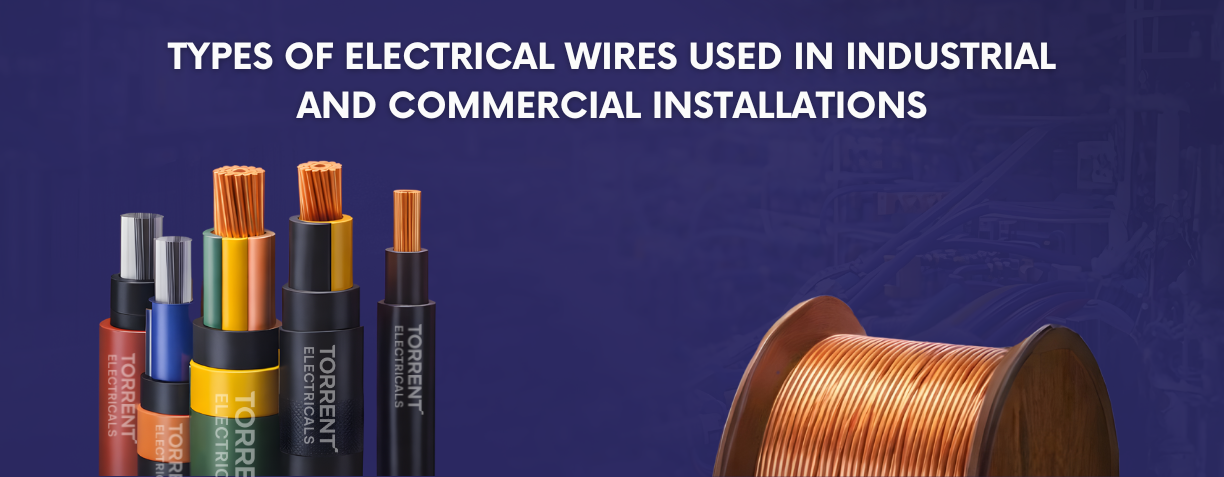
Types of Electrical Wires Used in Industrial and Commercial Installations
Introduction: Why Electrical Wire Selection Is Critical in Industrial and Commercial Projects
Industrial and commercial electrical installations operate under far more demanding conditions than residential systems. Heavy machinery, continuous electrical loads, elevated temperatures, strict safety regulations, and long operational hours make wire selection a critical engineering decision rather than a basic requirement.
Choosing the right electrical wire directly impacts system performance, safety, energy efficiency, and long-term reliability. From manufacturing plants and warehouses to hospitals, malls, data centres, and office complexes, every environment requires electrical wires designed to withstand specific operating conditions.
Understanding the types of electrical wires used in industrial and commercial installations helps engineers, contractors, and project planners avoid failures, reduce maintenance costs, and ensure compliance with safety standards.
Understanding Electrical Wires in Industrial and Commercial Settings
An electrical wire is a conductor designed to carry electricity safely from one point to another. In industrial and commercial systems, electrical wires are expected to handle higher current, resist heat, and perform reliably under continuous operation without degradation.
Unlike residential wiring, industrial electrical systems involve motors, automation panels, HVAC units, elevators, backup power systems, and complex control circuits. These applications demand wires that can maintain electrical stability under constant load. Improper wire selection in such environments can result in overheating, insulation breakdown, system inefficiency, and unplanned downtime.
Copper Wire: The Backbone of Industrial Electrical Wiring
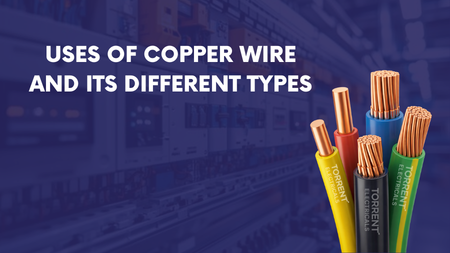
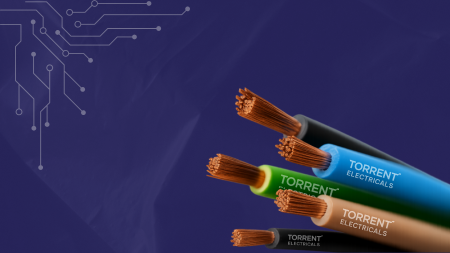
Copper wire remains the most widely used conductor material in industrial and commercial installations due to its superior electrical and mechanical properties. Its high electrical conductivity allows efficient current flow with minimal resistance, reducing energy loss, and heat generation.
Beyond conductivity, copper wire offers excellent mechanical strength, flexibility, and long service life. These characteristics make it suitable for high-load applications where reliability is essential. Because of these advantages, most industrial grade electrical wire solutions rely on copper conductors for power distribution, control circuits, and signal transmission.
In environments where safety and uninterrupted operation are critical, copper continues to outperform alternative conductor materials.
Heat Resistant Wires for High-Temperature Industrial Zones
Heat resistant wires are specifically designed to operate in environments where elevated temperatures are common. These wires are widely used near motors, furnaces, boilers, compressors, and heavy industrial equipment that generate continuous heat during operation.
The insulation used in heat resistant electrical wires prevents melting, cracking, or degradation when exposed to high temperatures. This ensures stable electrical performance and reduces the risk of insulation failure, making them essential in industrial plants and processing units.
FR Wires for Fire Sensitive Commercial Installations
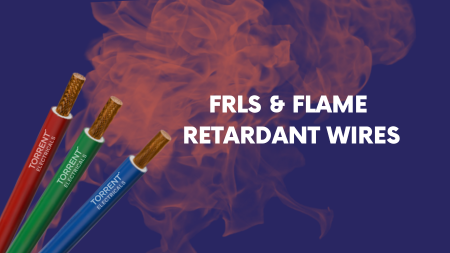
FR wires, or flame-retardant wires, are engineered to slow down the spread of fire during electrical faults. While they do not eliminate fire risk entirely, they significantly reduce flame propagation, giving occupants more time to evacuate and limiting property damage.
FR electrical wires are commonly used in commercial buildings such as offices, malls, hotels, and industrial control rooms where fire safety regulations are stringent. Their use helps improve overall safety compliance and reduces the impact of electrical faults.
HFFR Wires for Advanced Fire Safety Requirements
HFFR wires represent a higher level of fire safety. In addition to being flame retardant, these wires emit very low smoke and do not release toxic halogen gases when exposed to fire.
This makes HFFR electrical wires ideal for enclosed and high-occupancy spaces such as hospitals, airports, data centres, metros, tunnels, and high-rise commercial buildings. In such environments, reduced smoke density and non-toxic emissions play a critical role in protecting human life during emergencies.
Control Wires for Industrial Automation and Systems
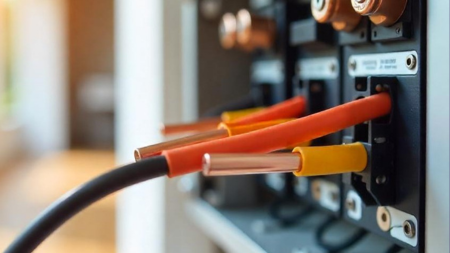
Control wires are used to transmit signals between control panels, sensors, machines, and automated systems. Accuracy, consistency, and signal integrity are essential for these applications.
In industrial environments, control wires are typically manufactured using high-quality copper conductors and robust insulation to ensure stable signal transmission, even in electrically noisy conditions. Reliable control wiring supports efficient automation, reduces system errors, and improves overall process control.
Importance of Insulation Quality in Electrical Wires
While the conductor carries electricity, insulation determines how safely the wire performs. In industrial and commercial installations, insulation must withstand heat, moisture, chemicals, abrasion, and mechanical stress.
Poor insulation quality is one of the leading causes of electrical failure. Selecting the right insulation type whether heat resistant, FR, or HFFR is just as important as choosing the conductor material. High-quality insulation ensures longer wire life, improved safety, and consistent performance.
Applications of Electrical Wires Across Industrial and Commercial Sectors
Different sectors require different wire characteristics based on operating conditions.
- Manufacturing plants rely on copper wire with heat resistant or FR insulation for motors, machinery, and control panels.
- Commercial buildings use FR and HFFR electrical wires for lighting, power distribution, and HVAC systems.
- Data centres and hospitals prefer HFFR wiring due to enhanced fire safety and low smoke emissions.
- Automation systems depend on precision control wires for uninterrupted signal transmission.
Using the correct wire type ensures smooth operations, energy efficiency, and reduced maintenance costs.
Compliance and Safety Standards in Electrical Wiring
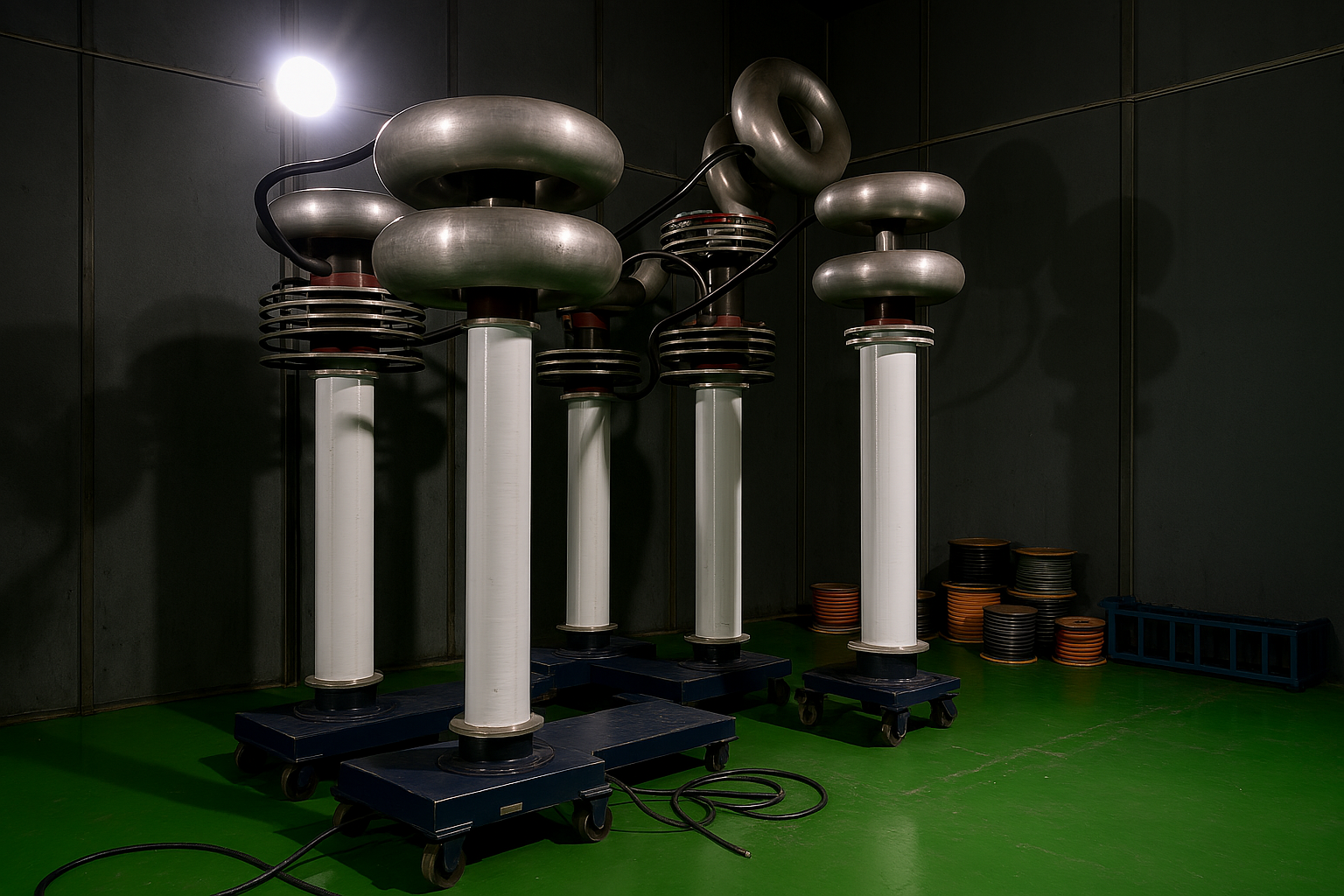
Industrial and commercial electrical installations must comply with national and international safety standards. Electrical wires are tested for fire performance, insulation strength, temperature resistance, and electrical stability.
Using certified electrical wire types helps organisations meet regulatory requirements and pass safety inspections. It also reduces long-term operational risks and enhances overall system reliability.
Role of a Trusted Wire and Cable Company
The performance of any electrical wire depends heavily on manufacturing quality. A reliable wire and cable company focuses on conductor purity, accurate sizing, consistent insulation thickness, and rigorous testing.
Advanced manufacturing practices ensure that electrical wires perform reliably under demanding industrial and commercial conditions. Partnering with an experienced wire and cable company significantly reduces the risk of premature failures and improves long-term system performance.
Key Considerations When Selecting Electrical Wires
Before finalising electrical wire selection, it is essential to consider load requirements, operating temperature, fire safety needs, installation environment, and applicable standards. Careful planning at this stage helps avoid costly rework and safety issues later.
Selecting the right electrical wire ensures energy efficiency, system stability, and long service life.
Future Trends in Industrial and Commercial Wiring
As industries adopt automation, smart infrastructure, and energy efficient systems, the demand for advanced wiring solutions continues to grow. Fire safe, low smoke, and heat-resistant electrical wires are becoming standard requirements rather than optional upgrades.
Copper-based wiring will remain dominant due to its unmatched performance, while insulation technologies will continue evolving to meet stricter safety norms.
Conclusion: Building Safe and Reliable Electrical Systems
Industrial and commercial electrical installations demand wires that can perform reliably under continuous load, high temperatures, and strict safety conditions. From copper conductors to specialised insulation types such as heat resistant, FR, and HFFR, each electrical wire plays a specific role in ensuring system safety and efficiency.
Selecting the right electrical wire and working with a trusted wire and cable company is essential for achieving long-term reliability and compliance. Torrent Electricals, known for its strong manufacturing expertise and commitment to quality, offers a comprehensive range of electrical wire solutions designed to meet the demanding requirements of industrial and commercial applications.