


















Uses of Copper Wire and Its Different Types Explained
Introduction: Why Copper Wire Still Powers the Modern World
From lighting our homes to running heavy industrial machinery, copper wire plays a silent yet critical role in modern life. Despite advancements in materials and technology, copper remains the most trusted conductor for electrical applications across the globe. Its unmatched conductivity, durability, and safety make it the backbone of reliable electrical systems.
Today, as infrastructure expands and electrical consumption increases, understanding the uses of copper wire and the different types available becomes essential not only for electricians and engineers, but also for builders, contractors, and decision makers selecting the best electrical wire for long-term performance.
This blog explains where copper wire is used, the major types available in the market, and why it continues to dominate the electrical wiring industry.
1. What Is Copper Wire and Why Is It So Widely Used?
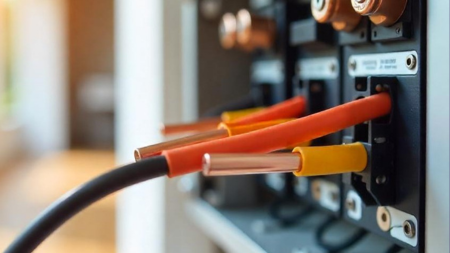
Copper wire is an electrical conductor made primarily from refined copper, used to transmit electrical power or signals. Copper’s natural properties such as high electrical conductivity, low resistance, and excellent heat tolerance make it ideal for wiring applications.
Compared to other materials, copper allows efficient current flow with minimal energy loss. This results in lower heat generation, improved safety, and stable electrical performance. Because of these advantages, electrical wire made from copper is widely used in residential, commercial, industrial, and infrastructure projects.
2. Key Uses of Copper Wire in Electrical Systems
Copper wire is used across a wide range of applications due to its reliability and adaptability.
In residential buildings, copper wiring is used for lighting circuits, power sockets, appliances, and earthing systems. In commercial spaces, copper wires support HVAC systems, elevators, data networks, and backup power systems.
Industrially, copper wire is essential for motors, control panels, machinery, automation systems, and power distribution. Its ability to handle continuous loads and voltage variations makes it suitable for demanding environments.
Because of these diverse applications, copper remains the preferred choice for best electrical wire solutions worldwide.
3. Different Types of Copper Wire Explained
Copper wires are available in multiple types, each designed for specific applications and operating conditions.
Solid Copper Wire
Solid copper wire consists of a single, solid conductor. It is commonly used in fixed installations such as wall wiring and distribution boards. Its rigid structure ensures stable connections and long-term reliability.
Stranded Copper Wire
Stranded copper wire is made up of multiple thin strands twisted together. This design offers greater flexibility, making it suitable for applications where movement or vibration is expected, such as appliances and machinery.
Flexible Copper Wire
Flexible copper wire is designed for applications requiring frequent bending or movement. It is widely used in portable equipment, extension cords, and control panels where flexibility and durability are critical.
Each of these types serves a specific purpose, but all share the core benefits of copper conductivity, safety, and long service life.
4. Copper Wire in Power and Control Applications
Copper wire is extensively used in power transmission within buildings and facilities. Whether it is low-voltage house wiring or internal power distribution, copper ensures consistent current flow and reduced voltage drop.
In control systems, copper wire is used to transmit signals accurately between sensors, panels, and machines. Precision and reliability are crucial in such applications, and copper’s stable electrical characteristics make it ideal.
This is why most wire and cable companies continue to rely heavily on copper based designs for both power and control wiring.
5. Why Copper Wire Is Considered the Best Electrical Wire
The reputation of copper wire as the best electrical wire is built on decades of proven performance. Copper offers a rare balance of efficiency, strength, and safety.
It resists corrosion better than many alternatives, maintains strong terminal connections, and performs consistently over long periods. Even under fluctuating loads and temperatures, copper wires retain their electrical and mechanical properties.
For projects where safety and longevity matter, copper wire remains the first choice recommended by professionals.
6. Role of Wire Manufacturing Companies in Copper Quality
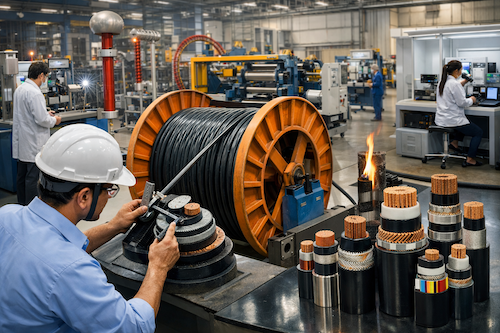
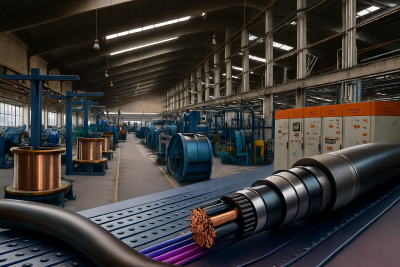
The performance of a copper wire depends not only on the material but also on how it is manufactured. A reliable wire manufacturing company focuses on conductor purity, accurate sizing, and high-quality insulation.
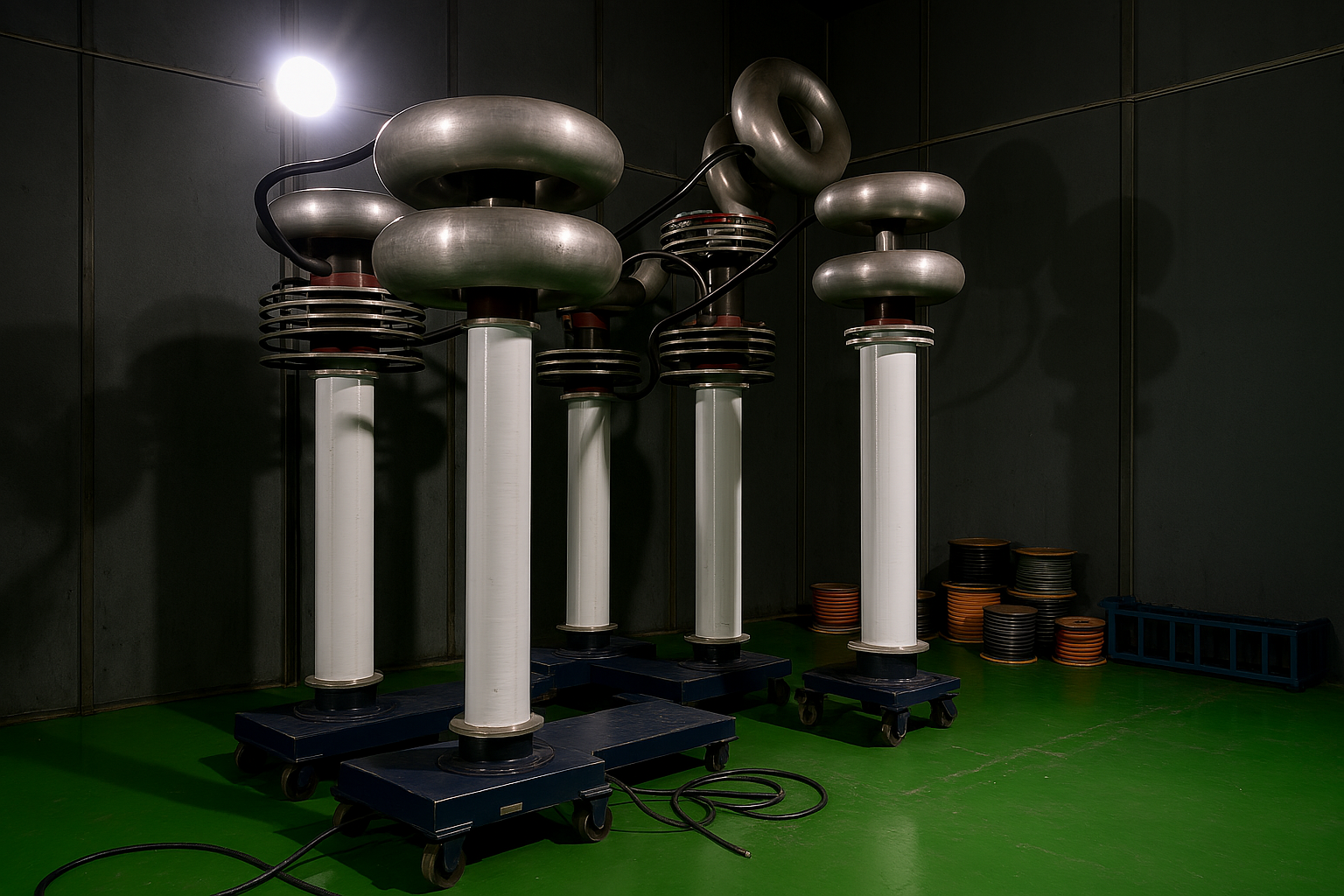
Advanced manufacturing processes, strict quality checks, and compliance with electrical standards ensure that copper wires deliver consistent performance. This is why selecting products from a trusted wire and cable company is as important as choosing copper itself.
In India, established wire companies in India play a key role in supporting infrastructure growth by supplying high-quality copper wiring solutions.
7. Copper Wire and Electrical Safety
Electrical safety is a major reason copper continues to dominate wiring applications. Copper’s low resistance reduces overheating, while its high melting point provides better tolerance during overload conditions.
Properly installed copper wires significantly reduce the risk of short circuits, insulation failure, and fire hazards. This safety advantage makes copper wire a preferred option in residential and commercial projects where compliance and risk reduction are critical.
8. Global and Indian Demand for Copper Wire
Globally, copper wire demand continues to grow due to urbanisation, electrification, renewable energy projects, and industrial expansion. In India, government initiatives, infrastructure development, and rising electricity consumption are driving increased demand for electrical wire products.
As a result, wire companies in India are continuously expanding capacity and improving technology to meet growing market needs while maintaining quality standards.
9. Choosing the Right Copper Wire for Your Application
Selecting the right copper wire depends on factors such as load requirement, installation environment, flexibility needs, and safety standards. Fixed installations require rigid or solid wires, while dynamic systems benefit from flexible or stranded designs.
Consulting technical specifications and choosing products from a reputable wire manufacturing company ensures the right balance between performance and durability.
Conclusion: Why Copper Wire Continues to Lead the Electrical Industry
Copper wire remains the foundation of safe and efficient electrical systems. Its wide range of uses, availability in multiple types, and proven performance make it indispensable across industries.
From residential wiring to complex industrial installations, copper wire continues to set the benchmark for reliability and safety. As demand for electricity grows, the importance of choosing the best electrical wire becomes even more critical.
At the end of the day, working with a trusted wire and cable company ensures access to quality copper wiring solutions that meet modern electrical requirements. Torrent Electricals, with its strong manufacturing capabilities and industry expertise, continues to deliver reliable copper wire solutions designed for long-term performance and safety.