


















How to Choose the Best Copper Wires for Your Home: Tips from Industry Experts
Introduction: Why Choosing the Right Copper Wire Matters
When it comes to electrical systems in your home, safety and efficiency should be at the top of your list. The copper wire is one of the most important parts of any wiring configuration. Often underestimated, the quality and type of copper wire you choose can impact not just your energy bills, but also the overall safety of your household. In this beginner's guide, we’ll walk you through everything you need to know to select the right copper wires, with insights straight from industry experts.
Understanding the Basics: What Is Copper Wire?
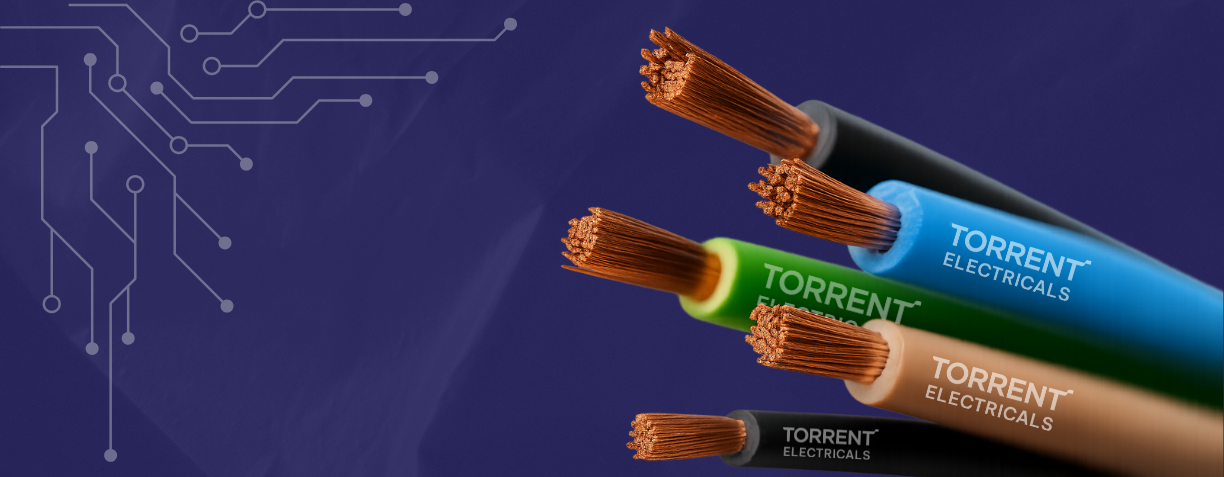
Before diving into the selection process, it's important to understand what copper wire actually is. Copper wire is commonly found in both residential and commercial buildings due to its high electrical conductivity and robust durability. It’s the preferred material over aluminum because it resists corrosion and carries more current with less heat generation.
Whether you’re setting up a new home or upgrading an old system, choosing the right electrical wires ensures reliability, reduces maintenance, and minimizes risks like short circuits or fire hazards.
Benefits of Using Copper Wires in Residential Wiring
There’s a reason professionals recommend copper wire over other materials. Here are some key advantages:
Superior Conductivity
Copper offers excellent electrical conductivity, which means energy flows through it more efficiently. This can help reduce power loss and improve the performance of your appliances and lighting systems.
Durability and Flexibility
Copper wires are not just strong—they’re also flexible. This combination makes installation easier and ensures long term reliability, even in tight corners or concealed conduits.
Flame Resistant Properties
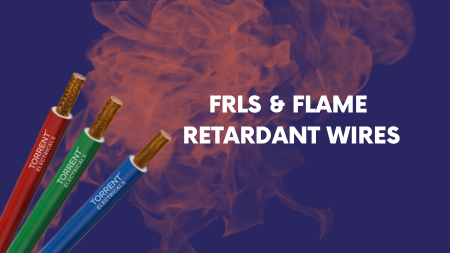
When safety is a concern, as it should be in any home flame resistant wire is a must. Many high-quality copper wires come with flame resistant insulation, providing an extra layer of protection against electrical fires.
Long Term Value
Though copper wires can be slightly more expensive upfront, their durability and performance offer long term value. You’re less likely to face frequent repairs or replacements, saving both time and money in the future.
How to Identify High-Quality Copper Wires
So, how do you know if you're buying high-quality copper wire? Here's what to look for:
Check for ISI Certification
In many countries, including India, ISI certification (Indian Standards Institute) is a mark of quality and compliance. Always choose copper wires that meet national safety standards.
Gauge Matters
A wire's thickness, also known as its gauge, directly affects the amount of electrical current it can safely handle. For general home wiring, a 1.5mm or 2.5mm wire is commonly used. However, larger appliances may require thick wires.
Look for Flame Resistant Wire
As mentioned earlier, opt for copper wires with flame resistant properties. These are especially important for areas prone to high temperatures or where multiple wires are bundled together.
Ask About the Wire Manufacturing Company
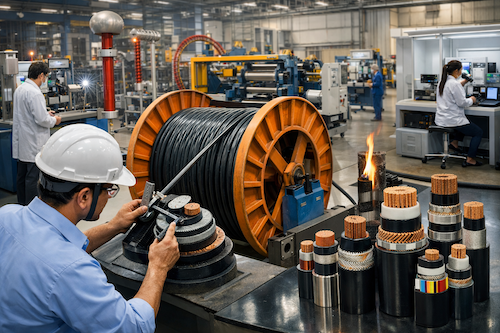
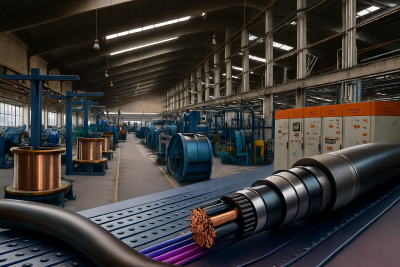
Not all wires are created equal. Reputable wire manufacturing companies invest in quality raw materials and advanced technology to produce superior products. Check the brand reputation, customer reviews, and warranty details before making a purchase.
Where to Use Different Types of Copper Wires in Your Home
Knowing where to use each type of wire can help you plan a safer and more efficient electrical layout.
Lighting Circuits
For lighting, thinner copper wires (typically 1.0 mm² to 1.5 mm²) are usually sufficient. They carry a smaller load but are vital for consistent illumination.
Power Outlets
Power sockets need wires that can handle more current. A 2.5 mm² wire is generally recommended for general use outlets.
Air Conditioners and Heaters
Heavy duty appliances like air conditioners, geysers, and heaters require thicker copper wires, usually 4 mm² or more, to safely handle the high power draw.
Kitchen and Bathrooms
These areas often have higher humidity levels. Therefore, use flame resistant and moisture resistant copper wires to prevent short circuits or corrosion.
Installation Tips from Industry Experts
Always Hire a Licensed Electrician
Even if you're a DIY enthusiast, electrical work isn't something to take lightly. A licensed electrician can ensure that your home's wiring is both safe and up to code.
Don’t Overload Circuits
Using wires that are insufficient for the load can generate overheating, which could lead to the risk of fire. Make sure that all your circuits are properly rated for devices that are plugged in.
Label and Organize
Label your electrical panels and wires. This not only helps during future upgrades but also makes troubleshooting easier.
Use Conduits
Protect your copper wires with conduits, especially in exposed areas. This prevents physical damage and maintains integrity over time.
Choosing the Right Wire Manufacturing Company
When shopping for copper wires, the brand you choose can significantly affect quality and performance. Established wire manufacturing companies invest in R&D to produce safer, more efficient products.
What to Look for in a Manufacturer:
- Certifications: ISO, ISI, REACH, RoHS, CPRI and ERDA tested
- Product Range: Availability of various gauges and types
- Customer Support: Responsive help for product queries or complaints
- Reputation: Consistently good reviews from electricians and end users
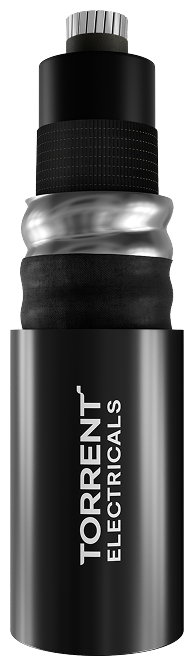
One such trusted name is Torrent Electricals, known for their commitment to quality and innovation in the electrical industry.
Conclusion: Making an Informed Choice
Choosing the right copper wire is more than just picking a product off the shelf. It involves understanding your home's requirements, the safety standards, and the long-term value of using quality materials. With insights from industry experts, you can now make smarter, safer choices for your home's electrical system.
So, the next time you're planning a home renovation or setting up a new house, take a closer look at the electrical wires you’re buying. Because when it comes to electricity, quality truly matters.