
















Why Copper Prices Are Skyrocketing: Impact on Wires, Cables, and Electrical Projects
Introduction: Copper at the Heart of the Electrical Industry
Copper has always been the backbone of the electrical world. From household wiring to large-scale infrastructure projects, almost every modern electrical system depends on copper for safe and efficient power transmission. Over the past few months, however, copper prices have witnessed a sharp and noticeable rise, creating ripples across the global and Indian electrical industry.
This sudden surge is not just a commodity market headline it directly impacts manufacturers, EPC contractors, companies, and project planners who rely heavily on electrical copper wire and electrical copper cable for their daily operations. Understanding why copper prices are skyrocketing and how it affects electrical projects is crucial for anyone involved in the wires and cables ecosystem.
1. Why Copper Is So Critical for Electrical Wiring
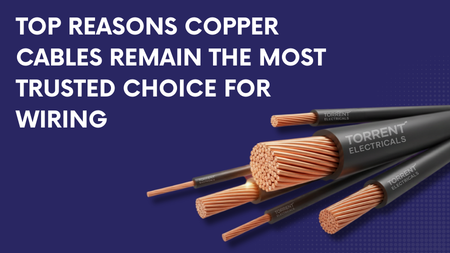
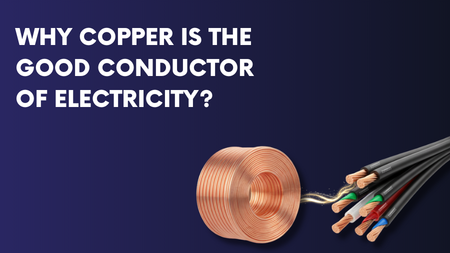
Copper is widely used in electrical wiring because of its superior conductivity, durability, and reliability. An electrical copper wire allows electricity to flow with minimal resistance, reducing heat generation and energy loss. Similarly, an electrical copper cable offers long-term stability, strong mechanical properties, and consistent performance under varying loads.
Because of these advantages, copper has remained the preferred conductor material for decades. Any fluctuation in copper prices, therefore, has a direct and immediate effect on the cost structure of electrical products and projects.
2. Global Demand Surge Driving Copper Prices Up
One of the biggest reasons behind rising copper prices is the sharp increase in global demand. Several global trends are contributing to this:
- Rapid expansion of renewable energy projects such as solar and wind
- Growth in electric vehicle (EV) manufacturing and charging infrastructure
- Urbanisation and large-scale infrastructure development
- Increasing adoption of smart grids and data centres
All these sectors require large volumes of electrical copper wire and electrical copper cable, pushing demand beyond traditional supply levels. As demand outpaces supply, prices naturally rise.
3. Supply Constraints and Mining Challenges
While demand is rising, copper supply has not grown at the same pace. Mining operations across several copper producing countries have faced disruptions due to regulatory challenges, labour shortages, environmental restrictions, and geopolitical uncertainties.
Copper mining is a capital intensive and time consuming process. Opening new mines or expanding existing ones takes years. This supply side limitation creates pressure on prices, which directly affects wire and cable manufacturers worldwide.
4. Energy Transition and the Role of Copper
The global shift toward clean energy is another major factor behind the copper price surge. Renewable energy systems require significantly more copper than conventional power generation. For example, solar power installations, wind turbines, and battery storage systems all rely heavily on electrical copper cable for efficient energy transfer.
As countries including India accelerate their energy transition goals, copper consumption continues to rise, reinforcing upward price trends.
5. Impact on Electrical Wire and Cable Manufacturers
Rising copper prices directly influence the cost structure of manufacturers in the electrical industry. Copper accounts for a substantial portion of raw material costs in wire and cable production. When prices increase rapidly, manufacturers face challenges such as:
- Higher production costs
- Pressure on margins
- Frequent price revisions
- Inventory and procurement planning complexities
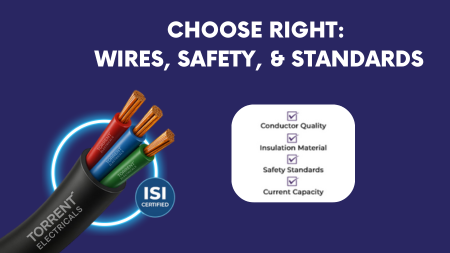
Despite these challenges, quality focused manufacturers continue to prioritise copper purity and performance, as compromising on conductor quality can lead to safety risks and long-term failures.
6. How Rising Copper Prices Affect Electrical Projects
Electrical projects whether residential, commercial, or industrial are significantly impacted by copper price volatility. Contractors and developers may experience:
- Increased project costs
- Budget revisions and delays
- Re-evaluation of material specifications
- Longer procurement cycles
Since electrical copper wire and electrical copper cable are essential components, cost escalation often cannot be avoided. This makes early planning and informed material selection more important than ever.
7. Why Alternatives Cannot Fully Replace Copper
During periods of high prices, discussions often arise around alternative conductor materials. While some alternatives exist, they come with limitations. Copper’s combination of conductivity, flexibility, thermal performance, and long service life is difficult to replicate.
For safety critical and long-term installations, electrical copper cable continues to be the preferred choice despite cost fluctuations. This sustained preference further supports demand and keeps copper prices firm.
8. The Indian Market Perspective
In India, infrastructure growth, housing development, renewable energy expansion, and industrial investments are driving steady demand for copper based wiring. As a result, Indian manufacturers of wires and cables are closely tied to global copper price movements.
With increasing focus on electrical safety and compliance with standards, demand for high-quality electrical copper wire remains strong, even in a high price environment.
9. Managing the Impact: What the Industry Is Doing
To manage the impact of rising copper prices, the electrical industry is adopting several strategies:
- Improved procurement planning and forecasting
- Efficient inventory management
- Process optimisation to reduce wastage
- Transparent communication with project stakeholders
These measures help reduce sudden cost shocks while maintaining quality and safety standards.
Conclusion: Navigating a High Copper Price Era with the Right Partner
The surge in copper prices is driven by global demand growth, supply constraints, and the accelerating shift toward electrification. Its impact is clearly visible across wires, cables, and electrical projects, influencing costs, planning, and execution.
Despite price volatility, copper remains irreplaceable for safe and reliable electrical systems. Choosing the right products and working with experienced manufacturers becomes even more critical in such times.
In India, Torrent Electricals, supported by the strong legacy and governance of the Torrent Group, continues to focus on delivering high-quality electrical copper wire and electrical copper cable solutions that balance performance, safety, and long-term value. Their approach reflects how trusted industry players help customers navigate market challenges without compromising on quality.