

















What’s the Difference Between Electrical Wire and Cable?
In the world of electrical systems, two terms are often used interchangeably electrical wire and electrical cable. While they may seem similar to the untrained eye, they serve different purposes and are constructed differently. Whether you're designing a home circuit, planning an industrial project, or working in the electrical field, knowing the distinction between these two components is essential for safety, efficiency, and long-term reliability.
What Is an Electrical Wire?
An electrical wire is a single conductor, typically made of copper or aluminum, that carries electricity. It may be solid or stranded and is often covered with a basic layer of insulation for safety. These wires are commonly used for internal wiring in residential and commercial buildings and are frequently color coded for circuit identification.
Wires are most suitable for simpler circuits like those in lighting fixtures, sockets, and switches. Their flexibility, ease of installation, and cost effectiveness make them an essential component in everyday electrical work.
What Is an Electrical Cable?
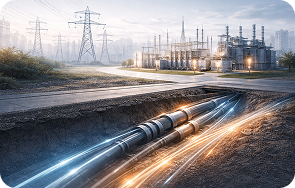
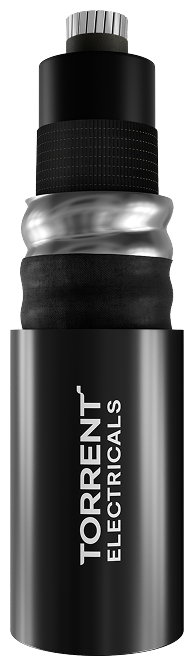
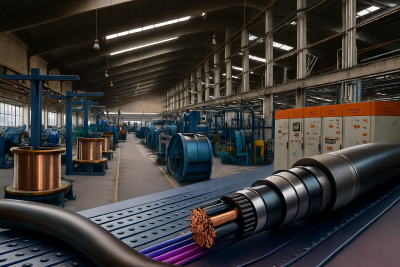
Unlike a wire, an electrical cable consists of two or more insulated conductors grouped together within a common protective sheath. This layered construction provides better resistance to moisture, heat, chemicals, and physical impact, making cables more suitable for challenging environments like outdoor installations, underground wiring, and industrial power systems.
Structural and Functional Differences
The fundamental difference lies in the structure: a wire is a single conductor, while a cable contains multiple conductors bundled together. Wires are easier to route and are often used in confined spaces. Cables, although more robust, are heavier and less flexible due to the extra layers of insulation and shielding.
Usage Across Residential and Industrial Applications
In residential installations, electrical wires are commonly used for internal wiring of rooms, lighting, and appliances. Their simplicity and flexibility make them ideal for single circuit setups. On the other hand, electrical cables are preferred for high power connections, such as main supply lines, industrial machines, and underground systems where additional mechanical protection is necessary.
Materials and Insulation Standards
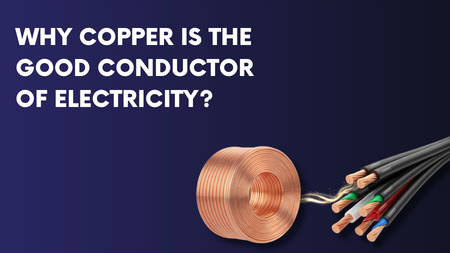
The performance of wires and cables depends heavily on the materials used. Copper is the most preferred conductor due to its excellent conductivity and flexibility. Aluminum, being lighter and cost effective, is often used in large scale power distribution. Insulation materials such as PVC, XLPE, and rubber are chosen based on the operating environment whether it's exposure to heat, oil, or outdoor conditions.
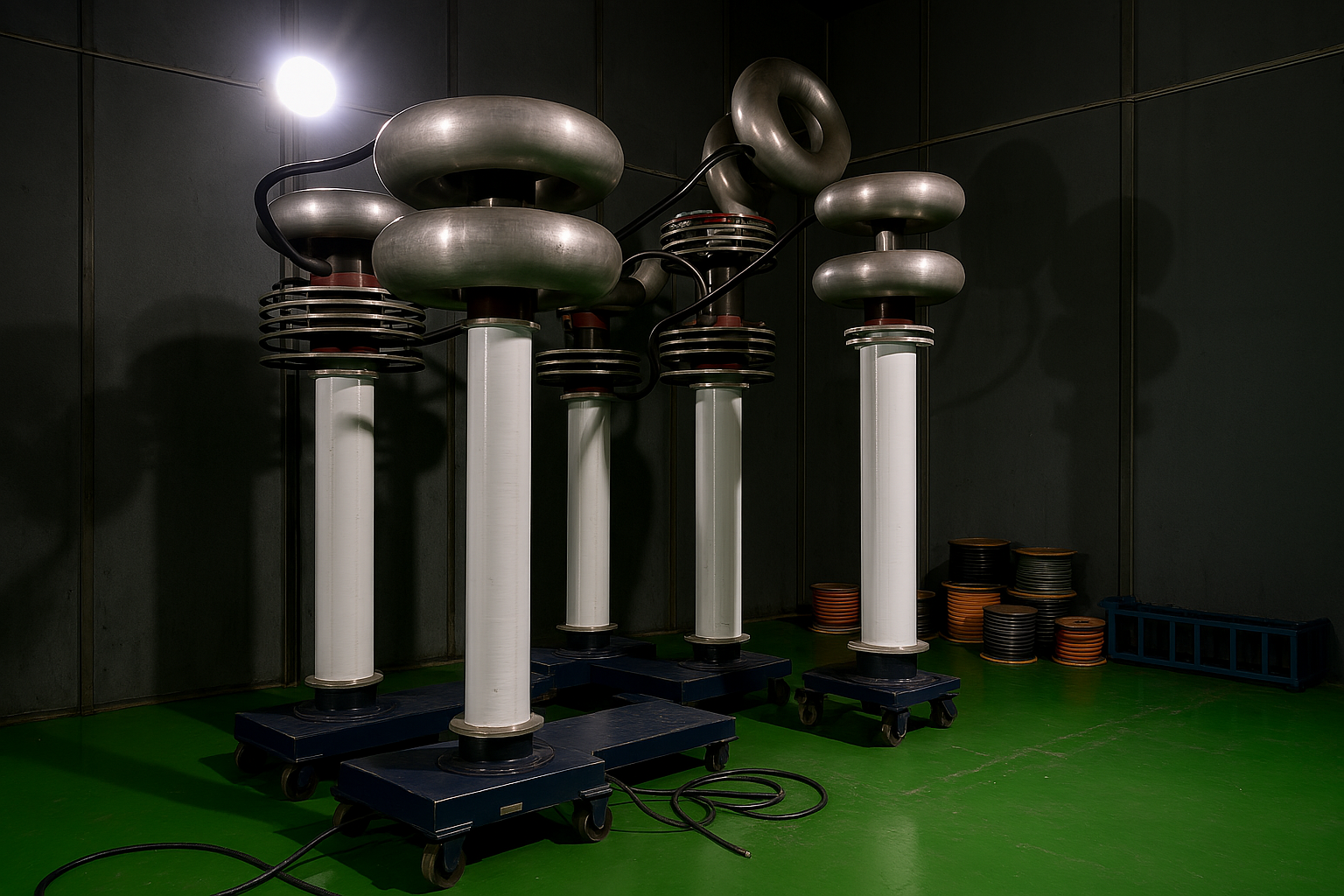
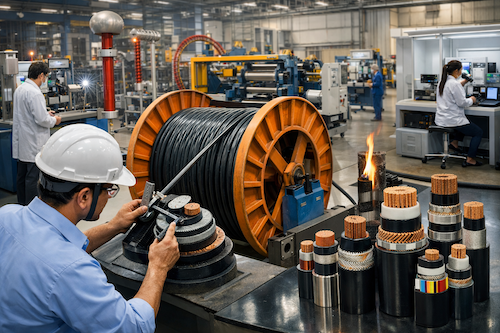
Quality assurance plays a significant role in performance. As a trusted wire manufacturing company, Torrent Electricals Ltd. follows national and international standards in material selection, manufacturing processes, and safety testing. This ensures long-term reliability in both domestic and industrial applications.
When to Use a Wire or a Cable
The decision to use a wire or a cable depends on several practical factors: installation type, voltage level, mechanical stress, and environmental exposure. Wires are used for internal wiring; cables are selected for outdoor, industrial, or heavy-duty applications.
Safety and Compliance
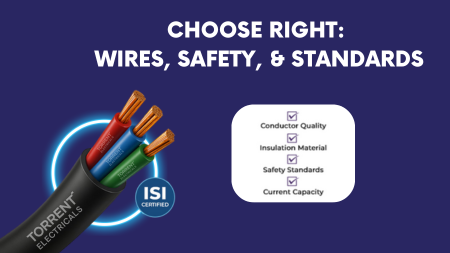
Safety is at the core of every electrical installation. Whether you choose a wire or cable, always ensure it complies with certified standards. Poor quality products can lead to overheating, short circuits, or even electrical fires.
Torrent Electricals Ltd., a leading wire manufacturing company, offers a wide range of electrical cables and electrical wires that meet IS standards and are suitable for diverse environments.
Conclusion
Understanding the difference between electrical wires and electrical cables is essential for making informed choices. Each serves a different purpose and must be selected based on safety, application, and load capacity. Visit https://torrentelectricals.com/ for high quality conductors that meet national and international safety benchmarks. Ensure your projects are powered by knowledge and built with the right materials.