














What to Consider Before Buying Electrical Wires and Power Cables
Introduction: Why Choosing the Right Wire Matters
Every electrical system whether residential, commercial, or industrial depends on the quality and compatibility of its wiring. Selecting the correct Electrical Wire or Electrical Cables is not merely a cost decision; it is a matter of safety, efficiency, and long-term reliability. Faulty or mismatched wiring can lead to overheating, energy losses, or even electrical hazards. Therefore, understanding what to evaluate before purchasing cables is essential for project managers, engineers, and electricians alike. In India, where diverse climates and high energy loads prevail, choosing the right wire ensures consistent performance and compliance with national safety standards.
Understanding the Basics: Wire vs. Cable
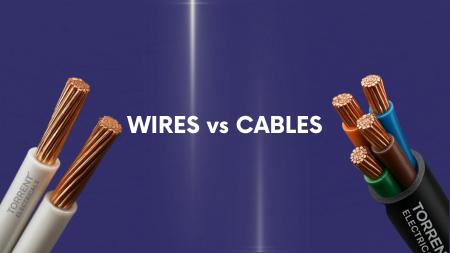
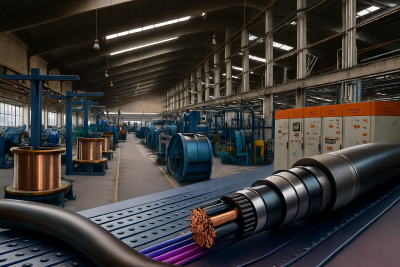
The terms “wire” and “cable” are often used interchangeably, but technically, they are different. A wire is a single conductor solid or stranded that carries electrical current. A cable, however, is a group of two or more insulated conductors bundled together within a protective outer sheath. This difference matters because the design determines application suitability. For instance, single core wires are ideal for simple connections or earthing, while multicore cables are preferred in complex control systems and power distribution setups. When purchasing from a reputed Wire and Cable Company, always clarify your load requirement and application environment before selecting the product.
Conductor Material and Quality
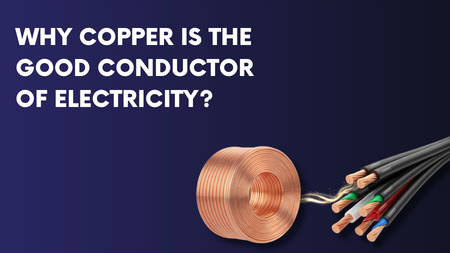
The core of any Electrical Wire determines its conductivity and durability. Copper and aluminium are the two most commonly used materials. Copper offers superior conductivity, flexibility, and corrosion resistance, making it ideal for high performance applications. Aluminium conductors are lighter and more economical but may require larger cross sections for the same current carrying capacity. High-quality copper, often oxygen free or electrolytic grade, ensures low resistance and high efficiency. Reputed manufacturers maintain purity standards and follow IS 8130 (Indian Standard for Conductors) to ensure uniform performance. Poor quality conductors can lead to excessive heat generation and long-term voltage loss issues that can compromise an entire installation.
Cross Sectional Size and Current Capacity
Selecting the correct wire size is vital to avoid overload and energy loss. The cross-sectional area, expressed in square millimetres (sq. mm), determines how much current a wire can safely carry. An undersized wire may heat up and cause insulation failure, while an oversized one may increase costs unnecessarily. The ideal size depends on the load, cable length, voltage level, and ambient temperature. Indian Standard IS 3961 provides clear guidelines on current carrying capacities for various cable types. Consulting a technical expert or referencing manufacturer data sheets from a credible Wire Manufacturing Company ensures you select the optimal size for your project’s electrical design.
Insulation, Sheathing, and Material Protection
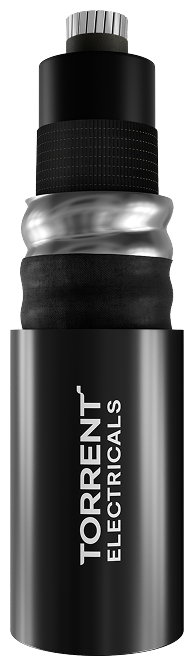
Insulation and outer sheath materials are just as important as the conductor. Insulation protects against electrical leakage and external damage. Common materials include PVC, XLPE, and halogen-free compounds. PVC insulated cables are cost effective and versatile, while XLPE cables handle higher temperatures and are preferred for industrial use. For enhanced safety, flame retardant (FR), flame retardant low smoke (FRLS), or halogen free flame retardant (HFFR) insulation is recommended, especially for residential or enclosed environments. The outer sheath provides additional mechanical protection, shielding the conductor from moisture, chemicals, and abrasion. The right insulation choice ensures cable longevity and compliance with IS 694 or IS 1554 standards.
Voltage Rating and Environmental Conditions
The voltage rating of a cable defines the maximum electrical potential it can safely handle. Common categories include 1100V for low voltage systems and up to 33kV for high tension cables. Before purchasing Electrical Cables, it’s crucial to assess the system’s operating voltage and environmental exposure. High ambient temperatures, direct sunlight, humidity, and chemical contact can degrade insulation faster. For outdoor or industrial installations, UV stabilized, oil resistant, and water resistant cables are essential. In coastal or corrosive areas, tinned copper conductors with double sheathed protection provide additional reliability. Matching the voltage and environmental grade of the cable to its application ensures safety and reduces maintenance costs.
Certifications, Standards, and Compliance
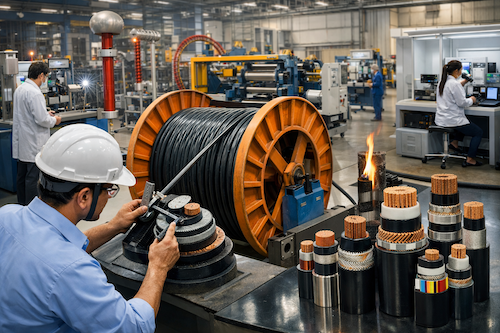
Before finalizing any purchase, verify that the product adheres to the Bureau of Indian Standards (BIS) and carries the ISI mark. Compliance with standards such as IS 694, IS 1554, and IS 7098 ensures that the Electrical Wire or Electrical Cables meet prescribed safety and performance parameters. For specialized applications, international certifications like IEC or RoHS may also apply. Reliable suppliers and manufacturers maintain in-house testing laboratories to verify tensile strength, insulation resistance, and flame retardancy. Purchasing from a certified Wire and Cable Company not only guarantees product quality but also ensures your project aligns with statutory and insurance requirements.
Voltage Drop, Energy Efficiency, and System Losses
Voltage drop occurs when the potential difference decreases along the cable due to resistance. In large or high load installations, excessive voltage drops can cause poor equipment performance and higher power consumption. Selecting conductors with the right resistance values and ensuring proper cable sizing minimizes energy losses. Quality manufacturing ensures uniform conductor diameter and low resistance, maintaining efficiency over long runs. When evaluating options, always refer to the manufacturer’s technical data for permissible voltage drop per metre and ensure it aligns with your design limits.
Mechanical Strength and Installation Requirements
Different installations demand different mechanical characteristics. Flexible cables are used in machinery, robotics, or portable devices where movement occurs frequently. Rigid or armoured cables are better for fixed underground or industrial layouts where protection from physical stress is required. The bending radius, tensile strength, and sheath thickness all contribute to ease of installation and durability. When sourcing from a Wire Manufacturing Company, discuss installation conditions whether the cable will run through conduits, trays, or underground ducts to select the correct mechanical grade and design type.
Cost vs. Value: Investing for Long-Term Performance
Cost is often a deciding factor, but focusing solely on price can be misleading. Low-cost cables might save initially but could lead to higher energy losses, overheating, or frequent replacements. A high-quality, standard compliant cable may have a higher upfront price but provides better efficiency and safety over its lifespan. Evaluating the total cost of ownership, including installation, energy efficiency, and maintenance, gives a more realistic picture of value. Partnering with an established Wire and Cable Company ensures transparent pricing, genuine certification, and technical support to achieve optimal returns on investment.
Planning for Scalability and Future Expansion
Electrical systems evolve with time, and planning for future load expansion is critical. Oversizing conductors slightly or selecting cables with higher temperature ratings can accommodate additional circuits without major rewiring. Flexible conduits and modular cable management systems help adapt to future needs without disrupting operations. A technically sound Wire Manufacturing Company can provide expert consultation on scalability options, helping you build an infrastructure that remains reliable for decades.
Conclusion
Choosing the right Electrical Wire or Electrical Cables is not just a technical decision, it’s an investment in safety, performance, and longevity. From conductor quality to insulation type and voltage rating, every factor influences the efficiency and durability of your electrical network. For dependable and high-performance cable solutions engineered for Indian conditions, Torrent Electricals LTD. stands among the country’s most trusted manufacturers. With advanced technology, rigorous quality control, and adherence to IS and IEC standards, Torrent Electricals LTD. ensures that every connection you make is built on reliability, precision, and safety. Power your projects with confidence because every great connection begins with the right wire.