

















Top Reasons Copper Cables Remain the Most Trusted Choice for Wiring
Introduction: Why Copper Cables Continue to Set the Standard for Safe Wiring
Behind every safe and efficient electrical system lies a well-chosen cable. From residential buildings and commercial spaces to industrial plants and infrastructure projects, wiring quality directly influences safety, performance, and long-term reliability.
Over the years, several materials have been introduced for electrical conductors yet copper cables continue to be the most trusted choice across the world. Even today, engineers, electricians, and project consultants consistently prefer copper for critical wiring applications.
This blog explores why copper cables remain the preferred option, how they compare with alternatives, and why they continue to dominate modern electrical cables and power cables used across industries.
1. Copper’s Superior Electrical Conductivity
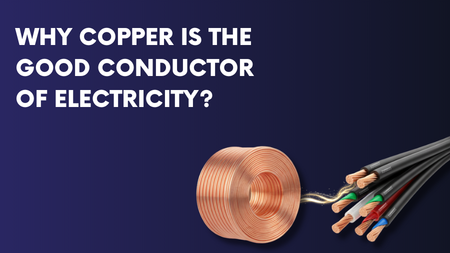
The primary reason copper has maintained its leadership in wiring is its exceptional electrical conductivity. A copper cable allows electricity to flow smoothly with minimal resistance, reducing energy loss and heat generation.
Lower resistance means improved voltage stability, efficient power transmission, and better protection for connected equipment. This is especially important in modern installations where multiple devices operate simultaneously, and power demand is high.
Because of this inherent property, copper remains the first choice for both low-voltage and high-performance electrical cables used worldwide.
2. Reliability That Stands the Test of Time
Electrical systems are expected to last decades, not years. Copper is highly durable and retains its mechanical and electrical properties over long periods. Unlike some alternative materials, copper does not degrade quickly under load, heat, or environmental exposure.
This long-term stability is one of the key reasons copper cables are trusted for permanent installations such as building wiring, industrial panels, and essential infrastructure. Reduced maintenance and fewer failures translate into lower lifecycle costs and improved operational safety.
3. Better Safety Performance in Real World Conditions
Safety is a major concern in any electrical installation. Copper’s high melting point and resistance to thermal stress make it safer under overload conditions. When used in power cables, copper helps minimise overheating and lowers the risk of insulation failure or fire hazards.
In environments where electrical loads fluctuate frequently, copper maintains stable performance. This reliability makes copper-based electrical cables a preferred choice in settings where safety cannot be compromised, such as hospitals, data centers, manufacturing units, and commercial complexes.
4. Copper vs Other Conductors: A Practical Comparison
| Parameter | Copper | Aluminium |
|---|---|---|
| Electrical Conductivity | Very high conductivity, allows efficient current flow | Lower conductivity compared to copper |
| Current Carrying Capacity | Higher capacity in smaller cross-section | Requires larger cross-section for same current |
| Cable Size Requirement | Compact cable size | Bulkier cables for equivalent performance |
| Installation Complexity | Easier to install due to flexibility and smaller size | More complex due to larger size and stiffness |
| Mechanical Strength | Strong and durable | Lower tensile strength |
| Flexibility | Highly flexible, ideal for tight routing | Less flexible |
| Termination Reliability | Strong, stable, and long-lasting connections | Higher risk of loose connections over time |
| Voltage Drop | Minimal voltage drop | Higher voltage drop |
| Heat Generation | Lower heat buildup | Higher heat generation |
| Long-Term Reliability | Excellent performance over decades | Performance degrades faster |
5. Flexibility That Simplifies Installation
Another major advantage of copper is its flexibility. Copper conductors can be bent and routed easily without cracking or losing strength. This makes installation simpler, especially in tight spaces, complex layouts, and retrofitting projects.
Flexible copper wiring reduces installation time and helps ensure consistent performance across the entire circuit. For electricians and installers, this ease of handling is a significant benefit in both residential and industrial projects.
6. Compatibility with Modern Electrical Systems
Modern electrical infrastructure has evolved significantly. Today’s systems include automation, renewable energy integration, smart devices, and sensitive electronic equipment. Such systems require wiring that can deliver consistent performance with minimal interference.
Copper’s excellent conductivity and stable behavior make it highly compatible with modern power cables and advanced electrical cables designed for contemporary applications. Whether control panels, power distribution, or equipment wiring, copper continues to meet evolving technical requirements.
7. Long-Term Cost Efficiency
While copper cables may have a higher initial cost compared to some alternatives, they often prove more economical over time. Their longer lifespan reduced maintenance needs, and improved energy efficiency result in lower total ownership costs.
For large projects, where downtime or frequent repairs can be expensive, investing in quality copper cable solutions delivers better value in the long run. This cost benefit balance is one of the reasons copper remains widely used across industries.
8. Trust Built Across Industries and Geographies
From residential construction to heavy industries, copper wiring has earned trust globally. Its performance consistency across different climates and operating conditions has made it the default choice in many national and international standards.
In India, as infrastructure development accelerates, demand for reliable wiring continues to grow. This is why many cable companies in India focus on copper-based solutions for their core product offerings, especially for applications where safety and performance are critical.
9. Role of Wire and Cable Manufacturers in Maintaining Quality
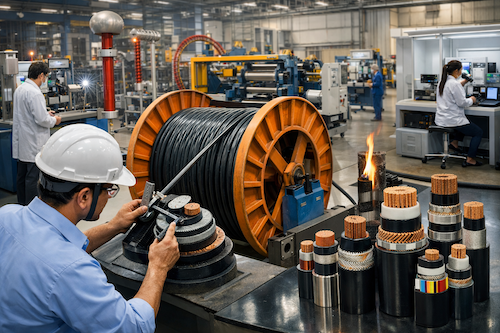
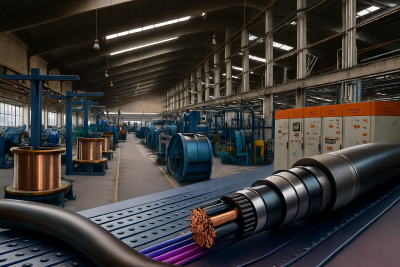
The performance of a copper cable is influenced not only by the material itself but also by manufacturing quality. Reputed wire and cable companies invest in advanced production processes, conductor purity control, and rigorous testing to ensure consistent performance.
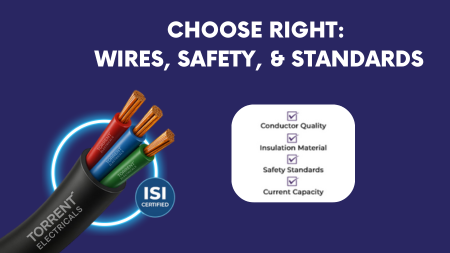
High-quality insulation, accurate conductor sizing, and compliance with safety standards are essential to fully realise the benefits of copper wiring. Choosing cables from trusted manufacturers further strengthens the reliability of copper-based electrical systems.
10. Why Copper Continues to Be the Industry Benchmark
Despite advancements in materials and technologies, copper has not lost relevance. Instead, it has adapted seamlessly to new applications and system requirements. Its balance of conductivity, durability, safety, and flexibility keeps it at the forefront of wiring solutions.
For critical infrastructure, industrial operations, and everyday electrical needs, copper continues to set the benchmark for performance and reliability.
Conclusion: A Trusted Choice Backed by Experience
The reasons copper remains the most trusted wiring material are clear superior conductivity, long-term reliability, enhanced safety, and proven performance across applications. For anyone selecting electrical cables or power cables, copper offers confidence that few materials can match.
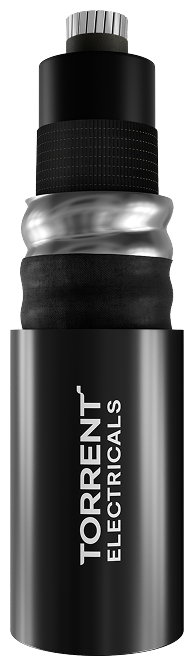
In India, organizations like Torrent Electricals, part of the well-established Torrent Group, contribute to this trust by delivering high-quality copper-based cable solutions that align with global standards and real-world requirements. Their role reflects how experienced manufacturers help keep copper at the core of modern electrical infrastructure.