
















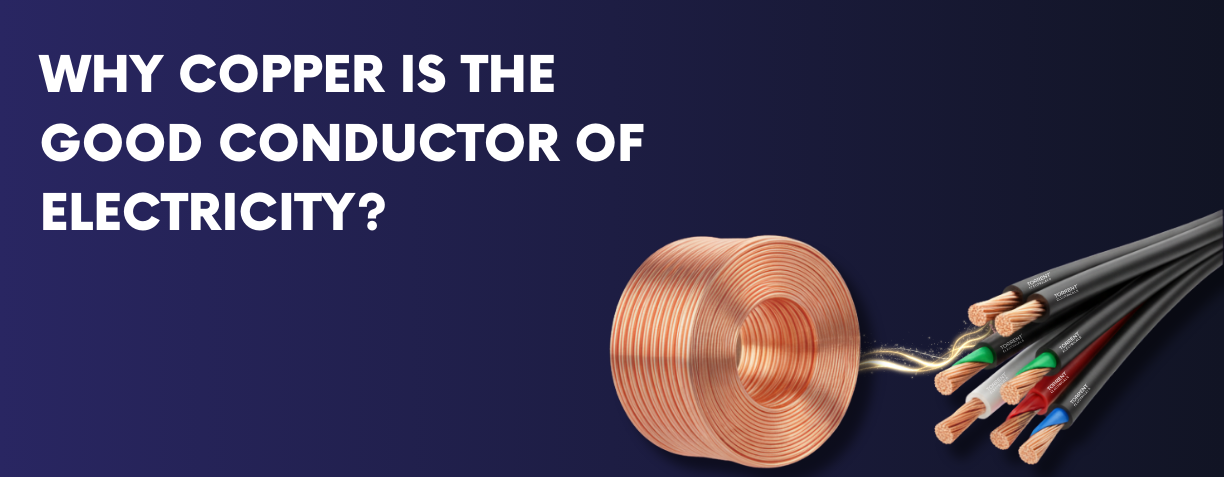
Why Copper is a Good Conductor of Electricity?
Introduction: The Metal That Powers the World
If you look around your home, office, or any industrial plant, you’ll notice one thing in common electricity flows everywhere. And behind this invisible current lies one of the most reliable heroes of modern engineering: copper.
From residential wiring to large-scale power transmission, copper wire remains the most preferred material for conducting electricity. Its unmatched conductivity, strength, and durability have made it the backbone of modern electrical infrastructure from low-voltage circuits to 132 kV copper wire and 66 kV copper cable used in power grids.
But what exactly makes copper so special? Why do industries around the world still rely on copper when alternatives like aluminium exist? Let’s break it down in simple, practical terms.
1. The Science Behind Copper’s Conductivity
At a microscopic level, the ability of a material to conduct electricity depends on how easily its electrons can move. Copper belongs to a category of metals with one free electron in its outermost shell, allowing electrical current to flow with minimal resistance.
High Electrical Conductivity:
Copper has an electrical conductivity of about 5.96 × 10⁷ S/m, making it second only to silver. However, because silver is expensive, copper offers the best balance between performance and cost which is why every copper cable you see in use today owes its design to this property.
Low Electrical Resistance:
Low resistance means less power loss in the form of heat. This ensures that 110 kV copper wire and 33 kV copper wire can carry high voltage loads efficiently across long distances.
Thermal Efficiency:
Copper’s high thermal conductivity helps dissipate heat quickly, preventing overheating a crucial advantage in dense power systems and industrial setups.
2. Mechanical Strength and Durability
Conductivity alone isn’t enough. For a wire to perform well in real world conditions, it must also resist bending, pulling, and environmental damage. Copper delivers all of that effortlessly.
Excellent Tensile Strength:
Copper can withstand mechanical stress and stretching, making it suitable for both fixed and flexible installations. Whether it’s underground cabling or overhead transmission lines, copper cables maintain their integrity under load.
Corrosion Resistance:
Copper naturally forms a thin oxide layer that protects it from rust and degradation. This makes it ideal for outdoor applications, ensuring long-term reliability even in humid or corrosive environments.
Longevity:
Properly installed copper wires can last decades without significant performance drop making them a cost-effective long-term investment for industries and utilities alike.
3. Safety and Fire Resistance
In electrical systems, safety is as important as performance. Copper not only conducts electricity efficiently but also minimizes risks of short circuits and fires.
High Melting Point (1083°C):
Copper can handle higher operating temperatures without softening or melting, which significantly reduces fire hazards.
Superior Load-Carrying Capacity:
Because of its low resistance and high conductivity, copper stays cooler even when carrying large current loads, offering better fire safety in dense wiring setups.
Secure Connections:
Copper's ductility allows it to form tight, vibration-resistant connections. This reduces the risk of loose terminals that often cause overheating or electrical sparks.
For critical installations like hospitals, data centers, and high-rise buildings, FRLS copper wires (Flame Retardant Low Smoke) and HRFR copper cables (Heat Resistant Flame Retardant) are often the go-to choice for maximum safety.
4. Why Copper Outperforms Other Conductors
While aluminium and other materials are sometimes used as cost-effective conductors, copper continues to dominate because of its superior balance of electrical, thermal, and mechanical properties.
In terms of electrical conductivity, copper achieves nearly 100% on the IACS (International Annealed Copper Standard), whereas aluminium offers only around 61%. This means copper allows electricity to flow more freely with lower losses, resulting in higher efficiency across power systems.
When it comes to tensile strength, copper is significantly stronger and more resistant to mechanical stress compared to aluminium, which has only moderate strength. This gives copper an edge in applications where cables are subjected to bending, stretching, or continuous load.
Copper also offers excellent corrosion resistance, forming a natural protective layer that prevents rust and degradation even in harsh or humid environments. Aluminium, on the other hand, is more prone to oxidation and requires additional protection and frequent maintenance.
Another major advantage is in size and weight copper conductors are denser and more compact, enabling higher current-carrying capacity in a smaller cross-section. Aluminium cables must be thicker and bulkier to achieve similar performance levels.
From a maintenance perspective, copper requires minimal attention over its lifetime, whereas aluminium installations often need regular inspections due to oxidation and expansion issues at joints.
Lastly, the lifespan of copper wiring typically exceeds 40 years, while aluminium conductors usually last about 25 to 30 years. This long service life makes copper a far more reliable and cost-effective choice in the long run.
So, while aluminium cables are lighter and cheaper, copper wins in reliability, safety, and performance which is why high-voltage copper cables (33 kV, 66 kV, 110 kV, and 132 kV) remain the preferred choice for power transmission and distribution networks worldwide.
5. High-Voltage Applications: Powering India's Infrastructure
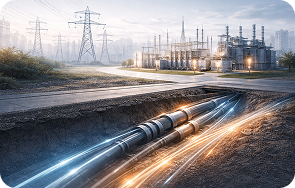
India's expanding power network depends heavily on copper conductors. From renewable energy plants to metro rail projects, the demand for 132 kV copper wire and 110 kV copper cable has grown rapidly in recent years.
Power Generation:
In thermal, hydro, and renewable energy plants, copper conductors are used for efficient current transfer between generators, transformers, and switchyards.
Transmission and Distribution:
In high-voltage transmission systems, copper cables ensure minimal line losses and stable voltage regulation over long distances.
Industrial Installations:
Factories and process plants require 33 kV copper wires and 66 kV copper cables to handle heavy machinery and continuous operations safely.
According to recent industry reports, India's demand for copper conductors has grown by 7–8% CAGR, driven by infrastructure, renewable energy, and urban electrification.
6. Environmental and Economic Benefits
Copper isn't just efficient it's sustainable. Nearly 80% of copper ever mined is still in use today, thanks to its recyclability. Recycling copper consumes only about 15% of the energy required for mining and refining new copper, reducing overall carbon emissions.
Moreover, since copper maintains its physical and chemical properties even after recycling, reused copper cables perform just as well as newly produced ones. This makes copper a vital contributor to the circular economy reducing waste and energy costs for industries.
7. The Role of Copper in Smart and Renewable Energy
The global shift towards green and smart energy solutions has further boosted copper's relevance. Modern infrastructure depends on efficient, reliable conductors that can handle higher voltages and intelligent control systems.
Solar Energy:
Copper is used in solar panel wiring, grounding systems, and inverters ensuring seamless current flow from panels to grids.
Electric Vehicles (EVs):
Every EV contains nearly 40–80 kg of copper in its motor windings, batteries, and charging cables.
Smart Grids and IoT:
Copper wiring supports the stable flow of power and data, ensuring connectivity and operational efficiency in intelligent electrical systems.
Thus, copper remains indispensable as the world embraces sustainability, automation, and electrification.
8. Future of Copper Conductors
With India targeting 500 GW of renewable capacity by 2030 and major investments in smart grids, demand for high-voltage copper wires will continue to rise. Manufacturers are now focusing on advanced insulation technologies, alloy compositions, and flexible conductor designs to improve performance and longevity.
Globally, the copper wire market is projected to surpass USD 200 billion by 2032, highlighting its unmatched importance in powering economies.
Conclusion: Copper The Lifeline of Modern Power Systems
From home appliances to high-voltage substations, copper stands unmatched as the most efficient and dependable conductor of electricity. Its superior conductivity, durability, and recyclability have made it the heart of every power connection.
Whether it's 33 kV, 66 kV, or 132 kV copper cables, the future of electrical connectivity will continue to run through copper the metal that connects innovation, safety, and sustainability.